🔬 Science
Live
Bob Mumgaard
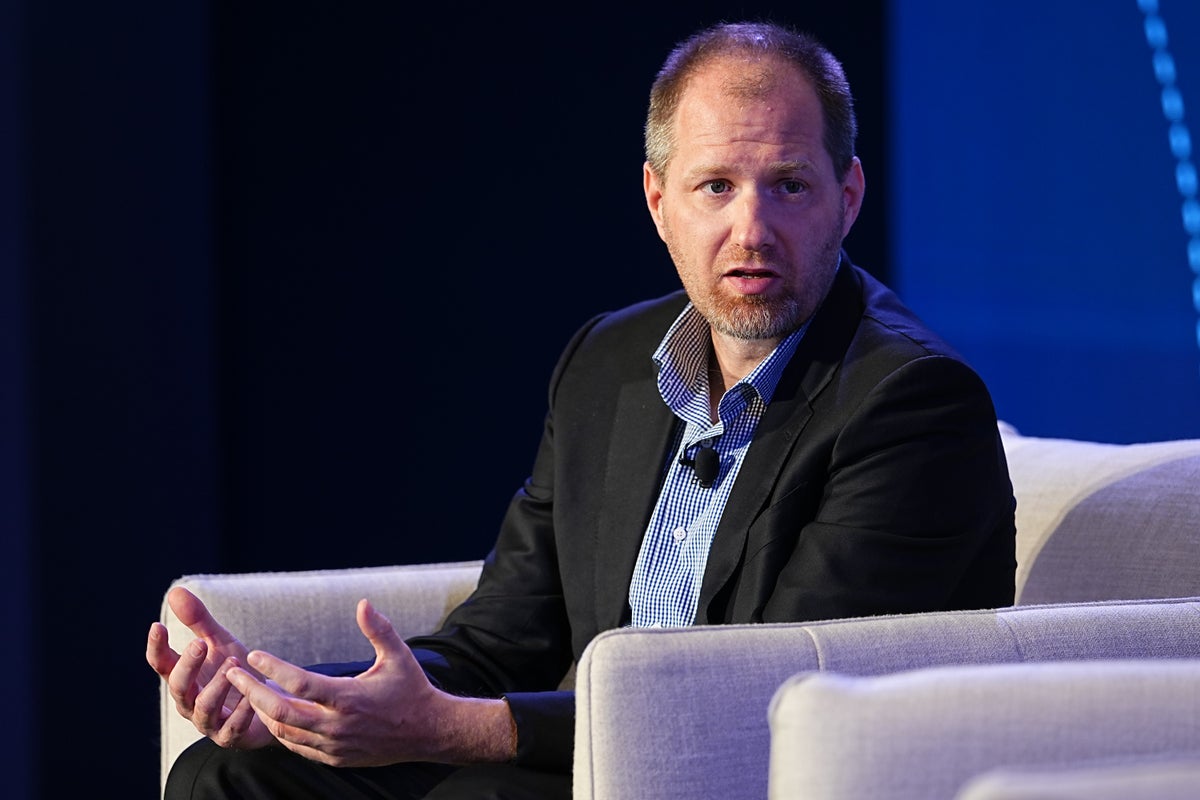
The energy entrepreneur talks about the state of science innovation in the U.S. Aaron Schwartz/Bloomberg via Getty Images Bob Mumgaard is an engineer and entrepreneur who co-founded Commonwealth Fu…
Scientific American — 16 June 2026
Text:
15
0
0
The energy entrepreneur talks about the state of science innovation in the U.S. Bob Mumgaard is an engineer and entrepreneur who co-founded Commonwea
Read Full Story at Scientific American →
⚡ Quickyla Analysis
Original editorial context — not sourced from the article above
Bob Mumgaard’s insights into the state of U.S. scientific innovation come at a pivotal moment, when energy research is both under intense scrutiny and brimming with untapped potential. As co-founder of Commonwealth Fusion Systems, Mumgaard stands at the intersection of two defining challenges of our time: the urgent need for sustainable energy and the persistent gap between scientific breakthroughs and commercial viability. His perspective matters because fusion—often dismissed as a distant dream—is now inching closer to reality, fueled by private investment and government support. The broader significance lies in whether the U.S. can reclaim its leadership in translating fundamental science into transformative technologies, a task that has grown more complex amid global competition and shifting research priorities.
The backdrop to this conversation is a decades-long narrative of unfulfilled promises in fusion energy, where public funding has fluctuated with political winds while private capital increasingly bets on high-risk, high-reward ventures. Mumgaard’s work represents a shift toward pragmatic, venture-backed approaches to science, mirroring trends seen in biotech and AI. Yet fusion’s unique demands—requiring not just innovation but unprecedented engineering feats—raise questions about whether the current model can deliver on its ambitious timelines. The U.S. also faces a brain drain in STEM fields, with talent increasingly lured abroad or into lucrative but less impactful sectors, further complicating efforts to sustain cutting-edge research.
Looking ahead, the key unknowns center on funding stability and regulatory agility. Will federal initiatives like the ten-year fusion strategy outlined in the recent DOE roadmap translate into consistent support, or will they succumb to budget cycles? Meanwhile, Mumgaard’s focus on public-private partnerships suggests a future where labs and startups collaborate more closely, but the tension between open science and proprietary interests could stifle progress. The broader trend here is the privatization of discovery—a double-edged sword that accelerates innovation but risks leaving behind foundational research that doesn’t fit neat market timelines. How the U.S. navigates this balance could redefine its role in the next era of technological revolution.
Sources

🔬 Science
'Astonishing': James Webb telescope spots the most chemically primitive galaxy in the ancient universe

🔬 Science
El Niño Is Underway

🔬 Science
Astronomers gaze into the 'Crystal Ball Nebula' and see a vision of our dying sun — Space photo of the week

🔬 Science
Bacteria uncover distinct strategy to import rare sugar polymers, crystal structures show

🔬 Science
NASA Awards Contract for Johnson Space Center Infrastructure

🔬 Science
Repairing DNA damage: Scientists discover a surprising new benefit of melatonin

