🚔 Crime & Justice
Live
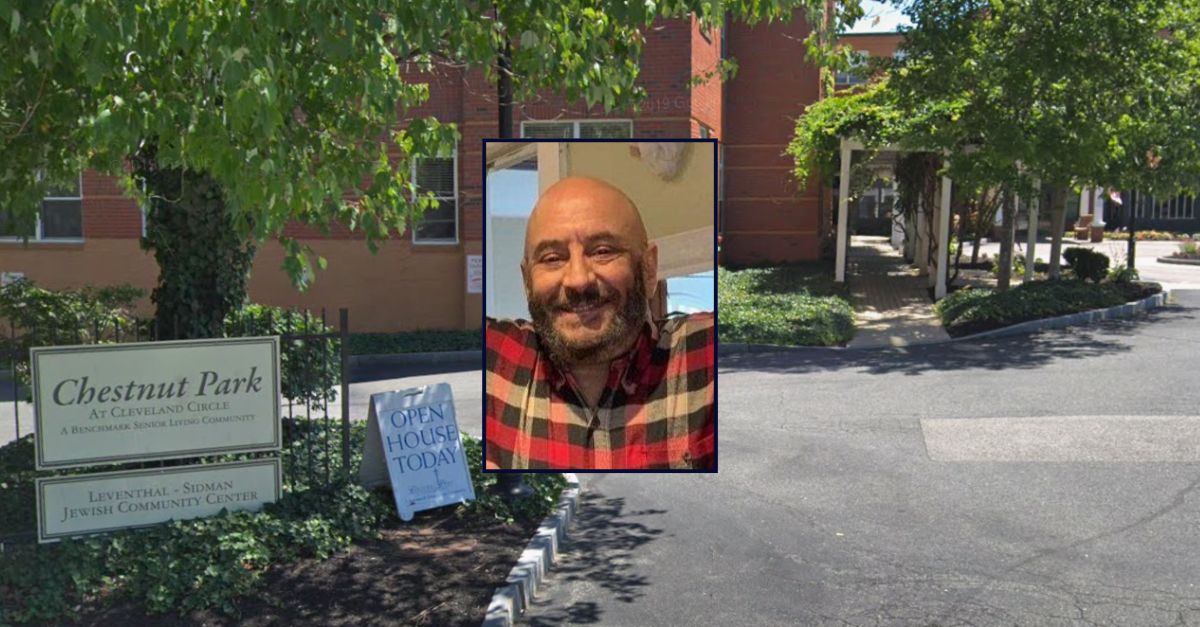
'Body was badly decomposed': Assisted living facility resident lay dead in his room for 9 days before staff noticed, lawsuit says
It took more than a week before any staff at a Massachusetts assisted living facility realized a 64-year-old resident had died in his room, a lawsuit alleges. The post 'Body was badly decomposed': Ass
Law & Crime — 18 June 2026
Text:
24
0
0
It took more than a week before any staff at a Massachusetts assisted living facility realized a 64-year-old resident had died in his room, a lawsuit
Read Full Story at Law & Crime →
⚡ Quickyla Analysis
Original editorial context — not sourced from the article above
The case of the 64-year-old resident who lay dead in his assisted living facility for nine days before staff noticed exposes systemic failures in elder care oversight that extend far beyond a single facility. Assisted living centers, which serve as a middle ground between independent living and nursing homes, operate under varying state regulations that often prioritize resident autonomy over mandatory wellness checks. In Massachusetts, where this incident occurred, staffing ratios and oversight requirements are less stringent than in nursing homes, leaving gaps that can tragically go unnoticed—especially for residents who may not have frequent scheduled interactions. The fact that the body was found in a state of advanced decomposition suggests that the resident’s absence may not have triggered immediate concern, raising questions about how facilities track occupancy and well-being.
Beyond the immediate horror of the discovery, this case underscores a growing crisis in elder care: the tension between independence and safety. As the U.S. population ages, more families are turning to assisted living as a more affordable alternative to nursing homes, yet many facilities lack the resources or protocols to ensure timely intervention when residents decline. The lawsuit’s allegations—if proven—point to negligence not just in staff oversight but in the facility’s failure to implement basic systems like daily wellness checks or emergency response protocols. This isn’t an isolated incident; similar cases have emerged across the country, often in facilities with histories of understaffing or poor training.
Moving forward, regulators may face pressure to tighten standards, though resistance from the industry—citing cost concerns and resident privacy—could slow change. Families placing loved ones in assisted living may now demand stricter transparency, while facilities could adopt voluntary enhancements like wearable health monitors or automated check-in systems. The broader question is whether society is willing to accept the trade-offs between autonomy and oversight in elder care, or if this tragedy will force a reckoning with how we care for the most vulnerable. For now, the case serves as a grim reminder that even in settings marketed as "supportive," the absence of basic vigilance can have fatal consequences.
Sources

🚔 Crime & Justice
Dad and daughter crushed to death by bulldozer that rolled off truck, landed on their vehicle after driver failed to properly secure it

🚔 Crime & Justice
Boyfriend used surprise flowers to lure pregnant girlfriend outside, then shot her in the head just weeks before the baby was due, cops and friends say

🚔 Crime & Justice
8-month pregnant woman kills other woman whose child was fathered by the same man

🚔 Crime & Justice
Daughter drained mom's 'life savings' while keeping her locked away in bedroom, refused to change her dirty Pampers as she suffered from dementia and Alzheimer's: Cops

🚔 Crime & Justice
'He's gonna pay': Man lured embattled school board member outside his home by shutting off his power before trying to kill him, cops say

🚔 Crime & Justice
Immigrant detainees sue over 'horrific' conditions at Texas ICE facility

