Border, peace, democracy: Myanmar president's India visit is closely watched
Myanmar President Min Aung Hlaing, who is in India on a five-day visit, has held talks with Prime Minister Narendra Modi, focusing on areas including trade, connectivity, border security and defence.…
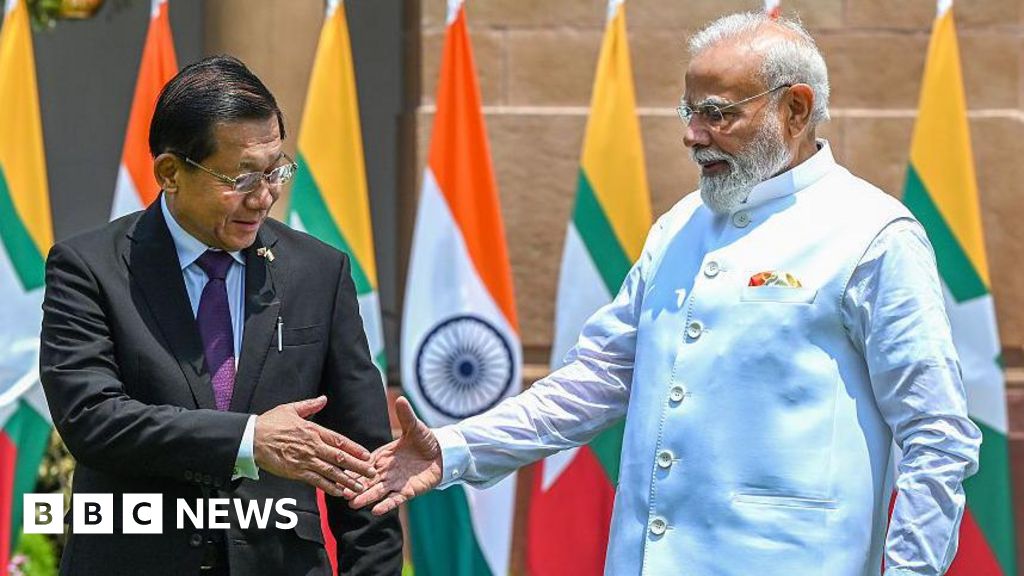
Myanmar President Min Aung Hlaing, who is in India on a five-day visit, has held talks with Prime Minister Narendra Modi, focusing on areas including
Read Full Story at BBC World News →Why This Matters
Myanmar’s strategic pivot toward India signals a recalibration of regional alliances amid global isolation, offering New Delhi a chance to assert influence in a country squeezed between China’s dominance and Western sanctions. The visit underscores how smaller nations navigate great-power competition, turning to alternate partners when traditional routes falter—raising questions about India’s long-term role in shaping Myanmar’s future.
Background Context
Myanmar’s military junta, led by Min Aung Hlaing, has faced sustained international condemnation over its 2021 coup, yet retains leverage through its proximity to China and Russia. India, while officially opposed to the regime, has prioritized border security and economic ties, balancing condemnation with pragmatic engagement—a delicate act that reflects New Delhi’s broader struggle to reconcile democracy with strategic interests in a volatile neighborhood.
What Happens Next
The talks could yield incremental progress on trade corridors and counterinsurgency cooperation, but deeper military or diplomatic commitments remain unlikely without concessions on Myanmar’s junta-led governance. Observers will watch for signals on whether India’s engagement emboldens the regime domestically or pressures it toward reform—especially as ASEAN’s stalled peace plan faces further erosion.
Bigger Picture
This visit exemplifies how middle powers like India leverage diplomatic openings in fractured regions, even as autocratic regimes test the limits of international engagement. It also highlights the growing overlap between security imperatives and economic imperatives, where borders blur into battlegrounds for influence—reshaping alliances in ways that could redefine South and Southeast Asia’s geopolitical landscape for years to come.







