Brain-inspired chip runs near absolute zero and could transform quantum computing
Scientists at the University of Hong Kong have created a remarkable new type of brain-inspired chip that can function just above absolute zero, one of the coldest environments imaginable. By using a …
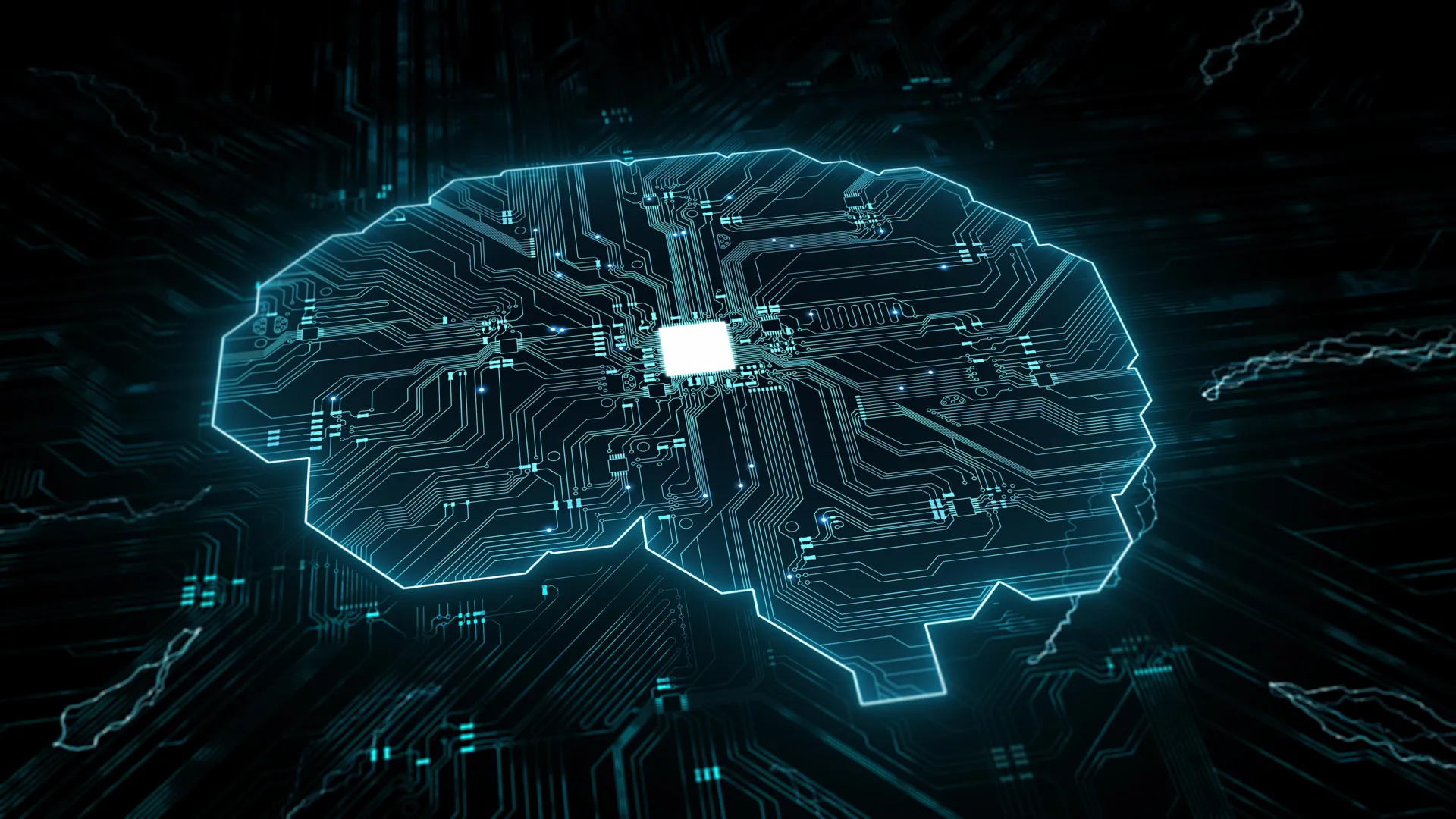
Scientists at the University of Hong Kong have created a remarkable new type of brain-inspired chip that can function just above absolute zero, one of
Read Full Story at ScienceDaily →Why This Matters
The breakthrough represents a paradigm shift in neuromorphic computing, potentially bridging the gap between classical and quantum processing by leveraging superconducting materials that operate at near-absolute zero temperatures. If scalable, this technology could redefine energy efficiency in AI systems, which currently consume vast amounts of power—raising the prospect of ultra-low-power brain-like machines that rival biological cognition.
Background Context
Neuromorphic chips have long been constrained by thermal noise at conventional operating temperatures, limiting their ability to mimic neural networks with high fidelity. Meanwhile, quantum computing has struggled with decoherence, requiring extreme cooling but failing to achieve the complexity of biological neural architectures. The convergence of these two fields—once considered separate—highlights how extreme environments may unlock entirely new computational frontiers.
What Happens Next
Expect rapid advancements in hybrid quantum-neuromorphic architectures as researchers test the chip’s adaptability for real-world tasks like real-time pattern recognition or adaptive control systems. Industry watchers should also monitor whether this approach can overcome scalability challenges, particularly in mass-producing superconducting components without prohibitive costs. The next 18 months will likely determine if this is a laboratory curiosity or the foundation for a new computing era.
Bigger Picture
This development aligns with a broader trend of "cryogenic computing," where extreme cold is no longer seen as a barrier but as a feature for precision and efficiency. As Moore’s Law slows and energy demands for AI skyrocket, such innovations force a reckoning: the future of computation may lie not in warmer, denser chips, but in leveraging phenomena that only emerge at temperatures approaching absolute zero.







