🌍 World News
Live
Britain will ban under-16s from social media apps, including TikTok and YouTube
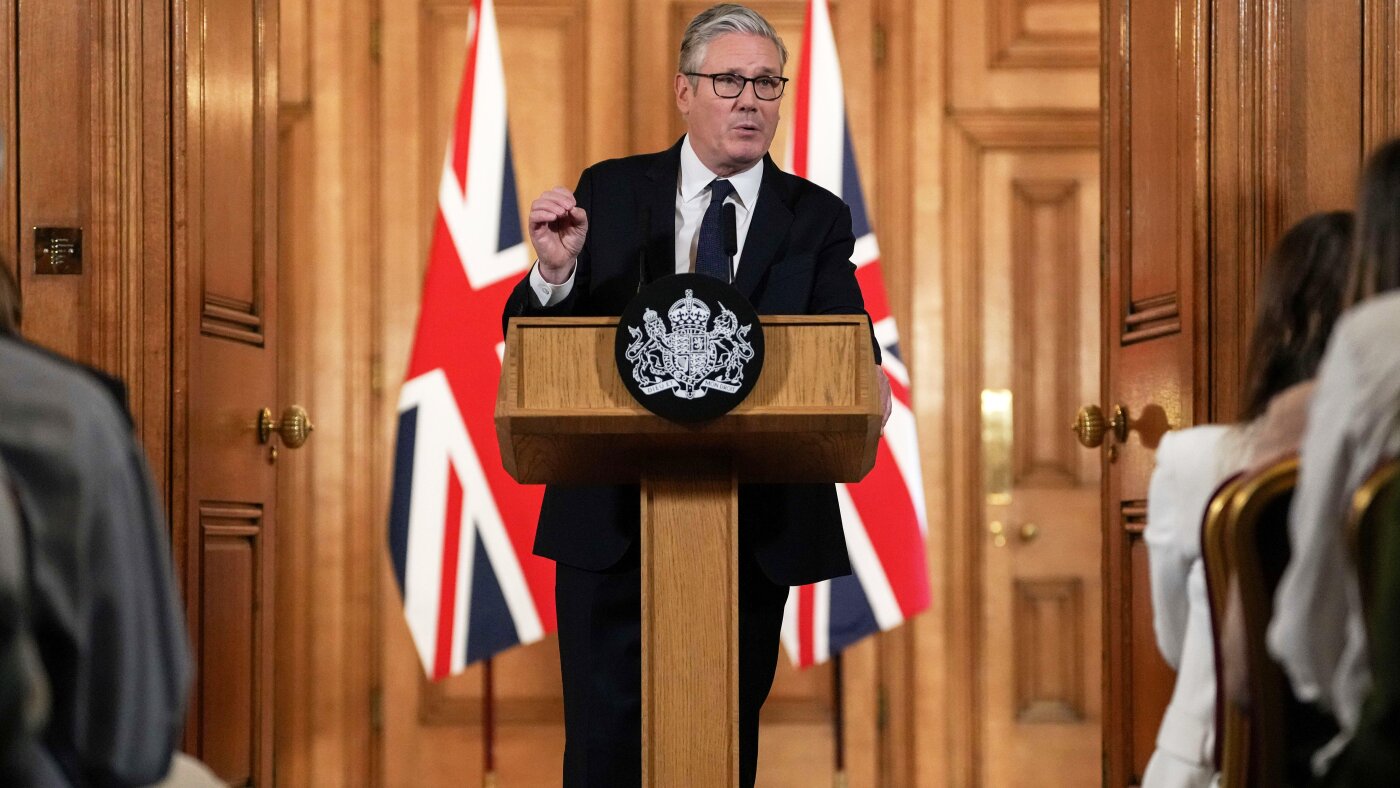
Britain's Prime Minister Keir Starmer attends a press conference to announce government action to protect children online, at Downing Street in central London, Monday, June 15, 2026. Carlos Jasso/POO…
NPR News — 15 June 2026
Text:
19
0
0
Britain's Prime Minister Keir Starmer attends a press conference to announce government action to protect children online, at Downing Street in centra
Read Full Story at NPR News →
⚡ Quickyla Analysis
Original editorial context — not sourced from the article above
Britain’s decision to prohibit social media use for children under 16 marks a pivotal shift in digital governance, reflecting growing global anxiety over the psychological and developmental risks posed by unregulated online spaces. While some nations have imposed partial restrictions—such as age verification laws or parental consent requirements—no major Western democracy has yet attempted a blanket ban for an entire age cohort. The move underscores a broader reckoning with how technology, particularly algorithm-driven platforms, shapes childhood and adolescence, where exposure to harmful content, cyberbullying, and addictive design has increasingly been linked to rising rates of anxiety, depression, and self-harm among young people.
The policy also arrives amid a fragmented but intensifying regulatory landscape. The EU’s Digital Services Act and Australia’s proposed online safety reforms have set precedents, but Britain’s approach is unusually sweeping, targeting not just social media giants but also video-sharing platforms like YouTube, which have historically operated under looser oversight. Critics argue that enforcement will be logistically fraught, given the ease of circumventing age restrictions via VPNs or unverified user profiles. Supporters counter that the ban signals a necessary departure from self-regulation, where platforms have long prioritized engagement metrics over child welfare. The government’s emphasis on age verification—likely through digital ID checks—raises privacy concerns, but proponents argue it aligns with Britain’s push for a more interventionist digital rights framework.
What remains unclear is how platforms will adapt, particularly those heavily reliant on youth engagement. TikTok, which has faced repeated scrutiny over its algorithm’s propensity to radicalize or distress young users, may pivot to stricter age-gating or even withdraw entirely from under-16 markets. YouTube’s response could be more nuanced, potentially expanding its existing "Supervised Experiences" mode, though such solutions often fail to fully insulate children from harmful content. The policy’s long-term success may hinge on whether other nations follow suit, turning Britain into a test case for whether digital paternalism can coexist with innovation—or whether it will spur a backlash from free-speech advocates and tech lobbies.
Beyond the immediate debate, the ban reflects a deeper cultural shift: the growing belief that childhood is no longer compatible with unfiltered digital exposure. Whether this approach will ultimately protect children—or simply drive them toward riskier, unregulated corners of the internet—remains the most urgent unanswered question.
Sources

🌍 World News
Man fleeing police attacked by alligator before continuing his getaway, Louisiana authorities say
🌍 World News
US crude exports hit record high in May as Iran war tightens global oil supplies

🌍 World News
Agitators outside Delaney Hall set up organized logistics operation before Newark protests began

🌍 World News
French doctors sound alarm over drinking water pollution

🌍 World News
Iran, Kuwait, Bahrain hit: Is the war in the Gulf escalating again?

🌍 World News
Four people trapped in flooded cave in Laos pulled to safety

