Butterfly that barely ages could help unlock longevity secrets
Scientists discovered that Heliconius butterflies have evolved an extraordinary lifespan, living several times longer than closely related species. Even more surprising, some show little sign of physi
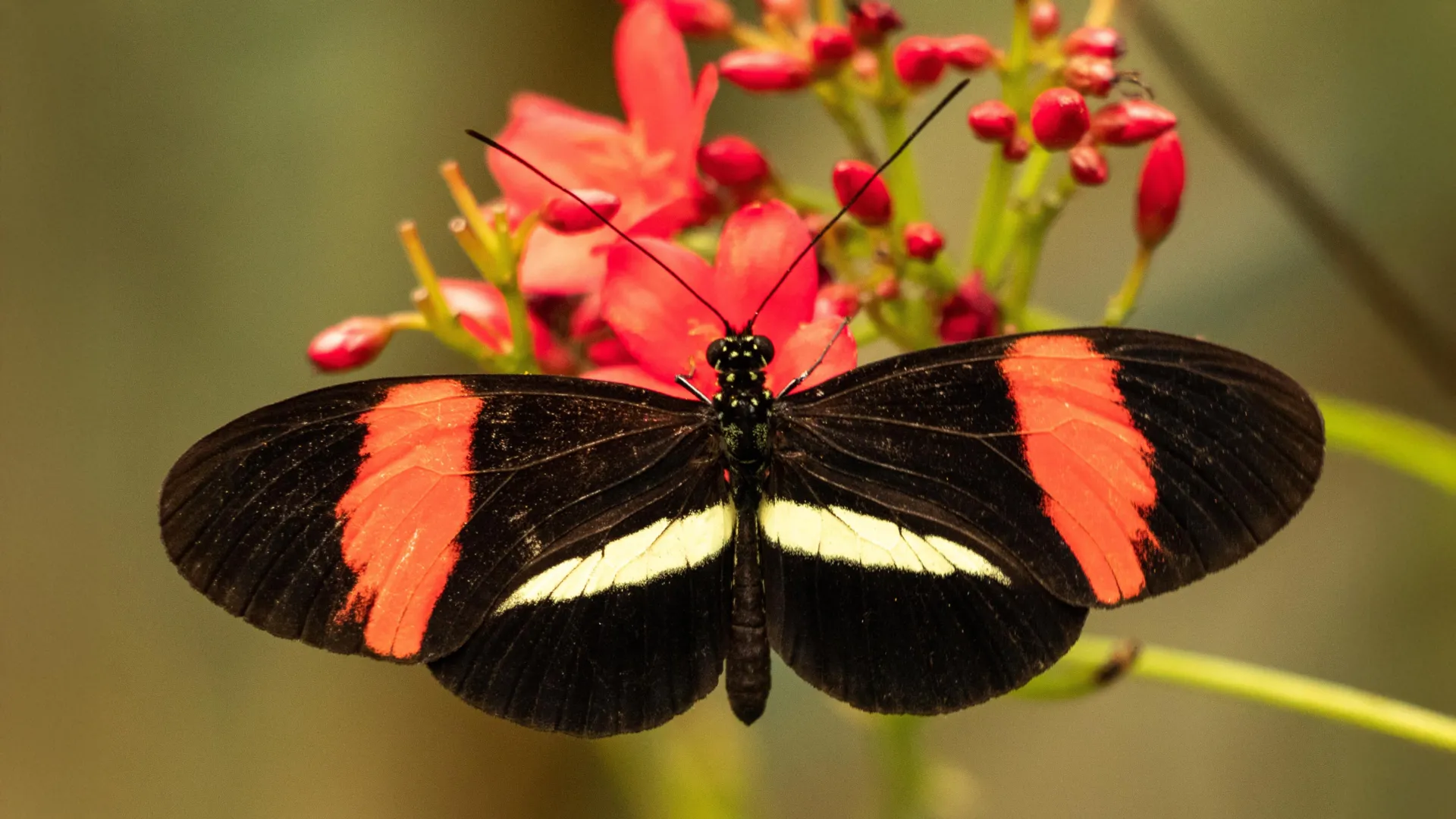
Scientists discovered that Heliconius butterflies have evolved an extraordinary lifespan, living several times longer than closely related species. Ev
Read Full Story at ScienceDaily →Why This Matters
The discovery of Heliconius butterflies' exceptional longevity challenges fundamental assumptions about aging in short-lived organisms, offering a potential blueprint for studying delayed senescence in other species—including humans. Their ability to sustain neural and reproductive function with minimal physiological decline could redefine how we approach age-related diseases and lifespan extension research.
Background Context
Most butterflies live just weeks, with senescence often tied to oxidative stress and metabolic trade-offs. Heliconius butterflies, however, have evolved unique feeding behaviors—consuming pollen rather than nectar—which provides essential amino acids and may underlie their extended viability. This adaptation, combined with their tropical habitat stability, suggests environmental and dietary factors play a critical role in their longevity.
What Happens Next
Researchers are likely to sequence the genomes of long-lived Heliconius species to identify genetic loci linked to delayed aging, potentially uncovering pathways that protect against neurodegeneration or cellular damage. If key mechanisms are isolated, similar traits could be tested in model organisms, while pharmaceutical and biotech sectors may explore synthetic analogs for therapeutic applications.
Bigger Picture
This finding aligns with a growing body of evidence that longevity is not purely a function of size or metabolic rate but is shaped by specialized ecological strategies. As climate change and habitat fragmentation reshape animal lifespans globally, Heliconius butterflies could serve as a case study for how species adapt—and whether those adaptations hold lessons for human longevity in an era of rapid environmental change.






