💰 Business
Live
Cadbury chocolate-owner Mondelez defends staying in Russia
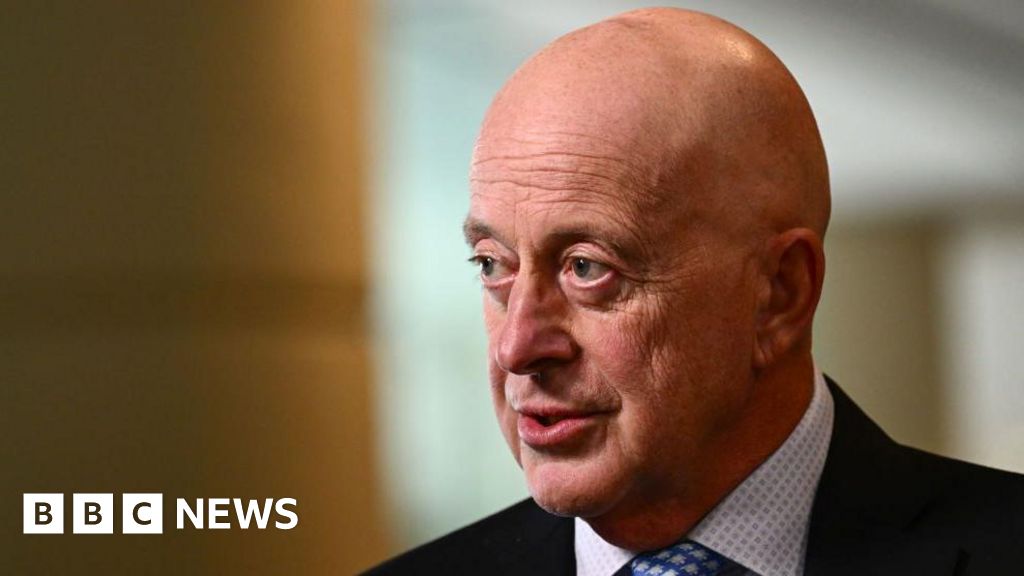
The boss of Cadbury chocolate-maker Mondelez has defended its decision to continue doing business in Russia but admitted he is "not pleased" the firm's taxes are funding the war with Ukraine. Chief …
BBC Business — 16 June 2026
Text:
36
0
0
The boss of Cadbury chocolate-maker Mondelez has defended its decision to continue doing business in Russia but admitted he is "not pleased" the firm'
Read Full Story at BBC Business →
⚡ Quickyla Analysis
Original editorial context — not sourced from the article above
The decision by Mondelez, the owner of Cadbury, to maintain operations in Russia despite the war in Ukraine underscores a persistent tension in corporate ethics during geopolitical crises. While many Western companies have exited the Russian market since Moscow’s invasion in 2022, Mondelez’s continued presence—albeit with adjusted business practices—reflects the difficult calculus of balancing commercial interests against moral and political imperatives. The company’s stance highlights how multinational firms navigate sanctions, reputational risks, and the moral ambiguity of continuing to pay taxes in a country funding a war of aggression.
For many observers, Mondelez’s predicament is a microcosm of a larger trend: the reluctance of some corporations to fully sever ties with Russia, even as public pressure mounts. Unlike firms that divested entirely, Mondelez has not expanded its Russian operations but has not exited either, citing obligations to local employees and supply chains. This middle ground—where companies neither fully comply with Western sanctions nor fully comply with ethical expectations—raises questions about accountability. The admission that taxes paid in Russia indirectly support the war effort is a rare moment of candor, but it also exposes the limitations of corporate self-regulation in a conflict where private actors wield disproportionate influence.
Looking ahead, the debate over Mondelez’s presence in Russia could intensify, particularly if more firms face similar scrutiny. Regulatory bodies in Europe and the U.S. may tighten oversight on corporate dealings with sanctioned regimes, forcing companies to choose between legal compliance and ethical consistency. Meanwhile, consumer backlash—especially in markets like the U.K., where Cadbury is a cultural icon—could pressure the company to reconsider its stance. The broader question remains: in an era of globalized commerce, can multinational corporations truly insulate themselves from the ethical fallout of geopolitical conflicts, or will they increasingly be forced to take sides?
The Mondelez case also intersects with a wider shift in corporate responsibility, where shareholders and activists increasingly demand transparency on political engagements. As war drags on in Ukraine and other conflicts simmer globally, the pressure on companies to align their operations with geopolitical realities will only grow. For now, Mondelez’s balancing act offers a case study in the fraught intersection of profit, patriotism, and principle.
Sources

💰 Business
How 'confused' AI rollout hurts firms and baffles staff
💰 Business
OpenAI let ChatGPT aid and abet mass shooters, Florida lawsuit claims
💰 Business
AI giant Anthropic announces plans to list on US stock market

💰 Business
Caribbean hot sauce producers warn of shortages and higher prices

💰 Business
Bill debt soars but many don't know help is available
💰 Business
Japan raises interest rate to highest since 1995

