California Attorney General sues 23andMe successor for 2023 data breach
California's Attorney General sued Chrome Holding, successor to 23andMe, for a 2023 data breach exposing genetic data of nearly seven million users due to inadequate security. The breach, via credent…
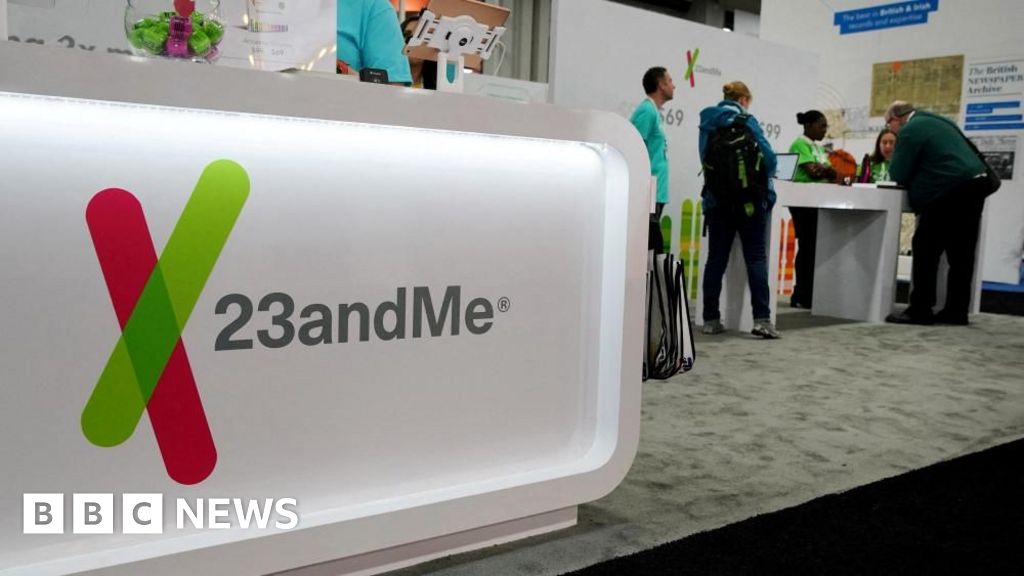
California's Attorney General Rob Bonta has filed a lawsuit against Chrome Holding, the successor to DNA testing firm 23andMe, alleging that the compa
Read Full Story at BBC Technology →Why This Matters
The lawsuit underscores how genetic privacy is becoming a defining civil liberties issue of the data age, where intimate biological details—once considered sacrosanct—are now treated as commodifiable assets by corporations. It also signals a potential shift in regulatory aggression against biotech firms that have long operated in a gray zone of data governance, suggesting that state-level enforcement could outpace federal action in this domain.
Background Context
23andMe’s 2023 breach was not an isolated incident but part of a pattern of underregulated biotech platforms accumulating vast troves of genetic data with minimal oversight. The company’s post-breach restructuring into Chrome Holding—while framed as a corporate pivot—raises questions about liability transfer, as legal accountability appears to have been diluted through corporate reorganization. Meanwhile, California’s aggressive stance may reflect broader frustration with the federal government’s slow response to genetic data vulnerabilities.
What Happens Next
The case could set a precedent for how successor corporations handle inherited liabilities, particularly in industries where data breaches have long-term consequences. Legal observers will closely watch whether the lawsuit accelerates the adoption of stricter genetic data protection laws, or if it becomes bogged down in corporate legal maneuvers aimed at delaying accountability.
Bigger Picture
This legal action aligns with a growing national reckoning over the unchecked power of biotech firms to exploit personal health data, mirroring broader debates over AI ethics and corporate surveillance. It also highlights how state attorneys general are increasingly filling regulatory gaps left by federal inaction, potentially reshaping the balance of power in tech oversight.