China’s Baidu, WeRide, Pony.ai launch robotaxi tests in Beijing
China’s tech firms are testing paid robotaxi services in Beijing using autonomous vehicles from Baidu, WeRide, and Pony.ai, leveraging its existing EV supply chain. Success hinges on adapting to diver
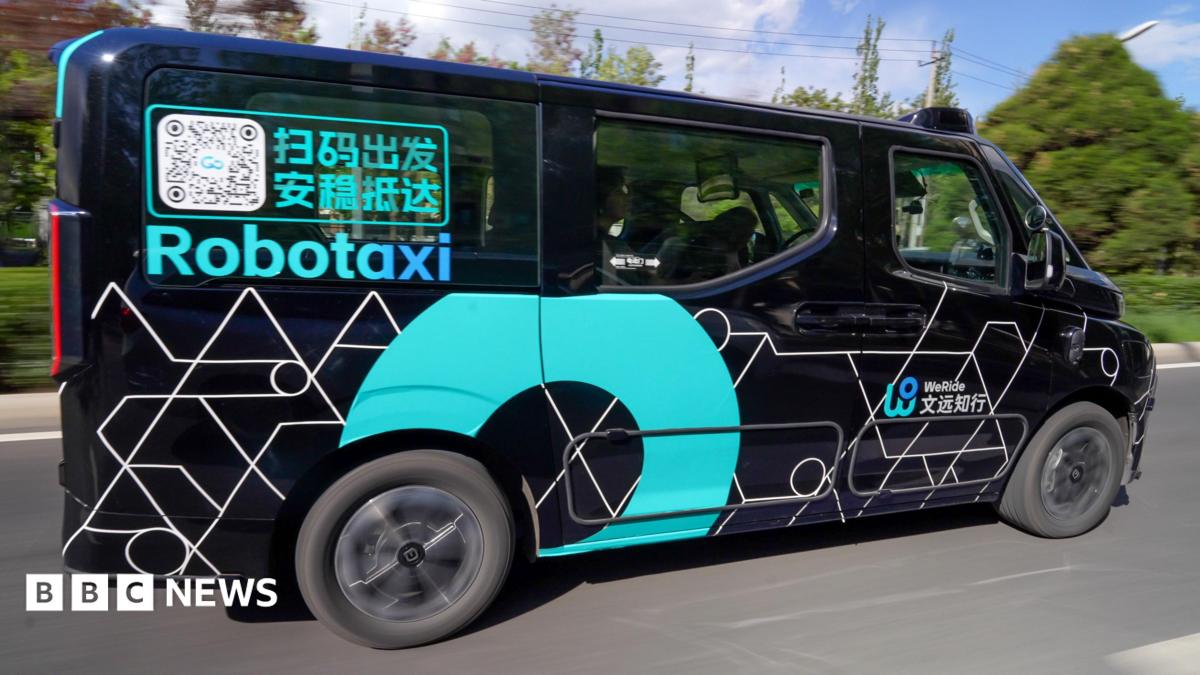
Robotaxis are cruising Beijing’s streets with no driver behind the wheel—and China’s tech giants want to turn that into the next global export after e
Read Full Story at BBC World News →Why This Matters
China's push into robotaxis could redefine global mobility paradigms if successful, potentially leapfrogging traditional automotive markets that rely on legacy combustion engines and driver-dependent models. The integration of autonomous systems with an already matured EV ecosystem positions the country to dominate a new frontier in transportation—one where software and data outpace hardware as the primary value drivers.
Background Context
China’s dominance in electric vehicles stems from state-backed industrial policy that prioritized battery supply chains and domestic innovation, creating an environment where technology firms like Baidu and WeRide could rapidly iterate on autonomy without the constraints faced by Western automakers. Regulatory sandboxes in cities like Beijing have allowed controlled testing of commercial autonomous services, a model that contrasts sharply with the cautious, litigation-prone approaches in the U.S. and Europe.
What Happens Next
Regulatory clarity will determine whether robotaxis scale nationwide or remain confined to limited zones, as Beijing’s experimental permits could either expand or retract based on safety outcomes and public reception. The financial sustainability of these services hinges on whether Chinese consumers—already accustomed to ride-hailing apps like Didi—will adopt autonomous alternatives en masse or demand proof of reliability over cost savings.
Bigger Picture
This initiative underscores a broader shift where China’s tech giants leverage existing infrastructure (EVs, 5G, and AI) to dominate emerging industries, mirroring past successes in solar panels and smartphones. Success here could accelerate a global transition toward subscription-based, software-defined mobility, where data monetization and service-layer profits eclipse traditional automotive revenues.