Century-old tuberculosis vaccine could help treat diabetes, trials hint. How?
Repeated doses of a tuberculosis vaccine lowered insulin needs in patients with two forms of diabetes, new trial data show. But more research is needed to prove the benefit.
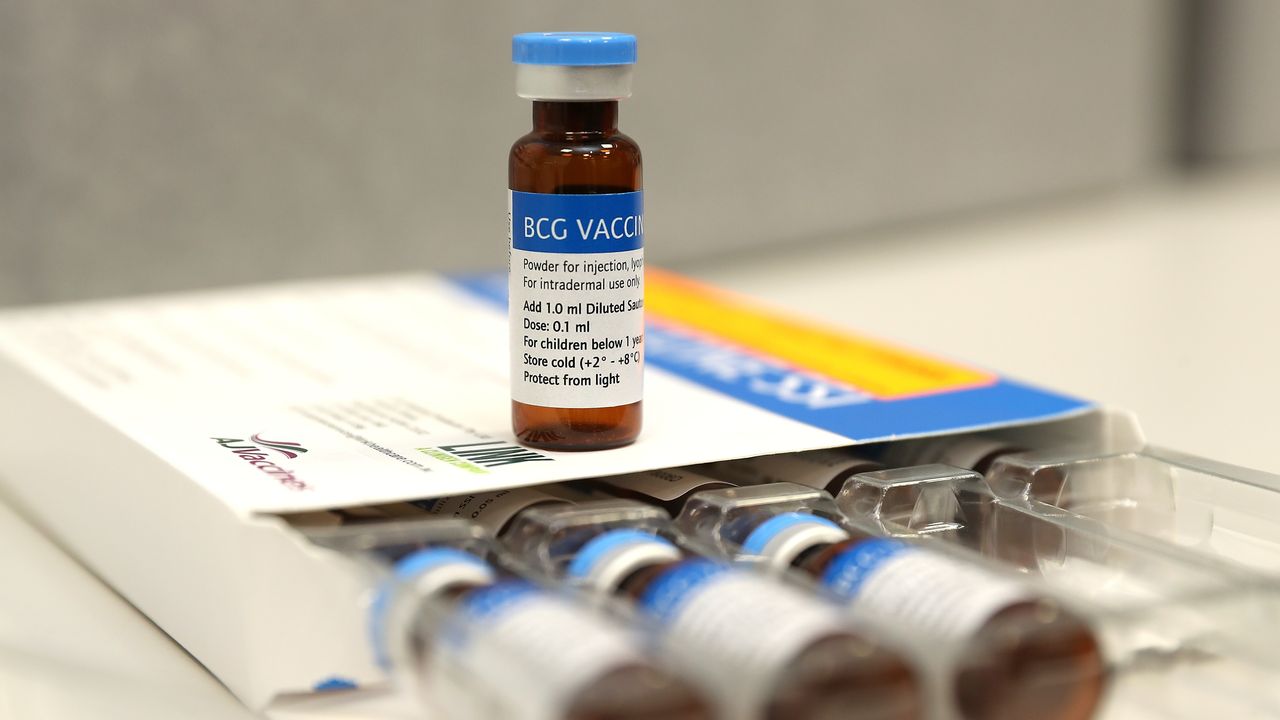
Repeated doses of a tuberculosis vaccine lowered insulin needs in patients with two forms of diabetes, new trial data show. But more research is neede
Read Full Story at Live Science →Why This Matters
The potential repurposing of the century-old tuberculosis vaccine BCG as a diabetes therapy underscores a paradigm shift in immunology—where vaccines, long seen as preventive tools, may soon play a therapeutic role in chronic diseases. If validated, this approach could disrupt diabetes care by offering a low-cost, off-patent treatment that addresses the immune dysfunction underlying both Type 1 and Type 2 diabetes, rather than merely managing symptoms.
Background Context
BCG, developed in the 1920s, was one of the first vaccines to demonstrate broad immune-modulating effects beyond its target pathogen, a property now known as "trained immunity." Its accidental discovery as a diabetes treatment candidate stems from observations of reduced autoimmunity in patients who received the vaccine for unrelated reasons, hinting at its potential to reset misfiring immune responses. Meanwhile, diabetes care has remained dominated by insulin therapy for a century, with no major breakthroughs in disease-modifying treatments.
What Happens Next
Further trials will need to clarify the optimal dosing regimen, long-term safety, and whether the vaccine’s effects are sustainable without repeated administration. Regulatory pathways for repurposing existing vaccines for new indications may face hurdles, but the low cost of BCG could accelerate approval if efficacy is confirmed. Meanwhile, researchers are likely to explore whether similar immune-training mechanisms could apply to other autoimmune diseases.
Bigger Picture
This development aligns with a growing focus on leveraging the immune system to combat non-communicable diseases, mirroring advances in cancer immunotherapy. It also reflects a broader trend of revisiting "old" medical tools through a modern lens, as seen with aspirin’s expanded uses or the resurgence of interest in phage therapy. If successful, BCG’s diabetes trial could catalyze a wave of repurposing efforts for vaccines and other legacy therapies.







