🏥 Health
Live
Cervical cancer deaths fall to zero in young women given vaccine
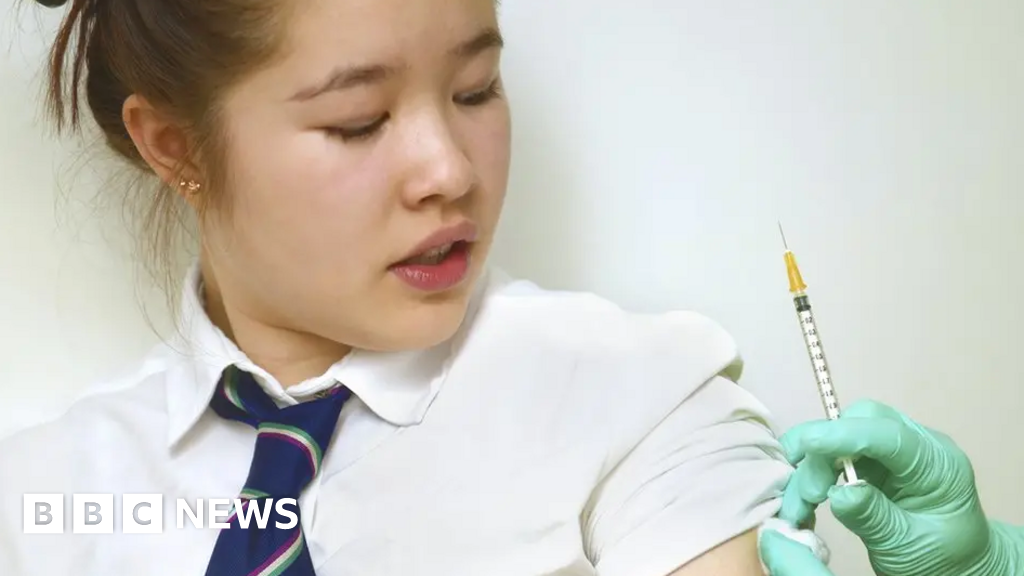
Around 200 lives have been saved in England so far thanks to a vaccine which protects against cervical cancer, according to analysis published in the Lancet. The first study of its kind showed that …
BBC Health — 17 June 2026
Text:
28
0
0
Around 200 lives have been saved in England so far thanks to a vaccine which protects against cervical cancer, according to analysis published in the
Read Full Story at BBC Health →
⚡ Quickyla Analysis
Original editorial context — not sourced from the article above
The news that cervical cancer deaths among young women in England have fallen to zero thanks to the HPV vaccine is more than just a statistical milestone—it’s a testament to how immunization can reshape public health. This shift didn’t happen overnight. The HPV vaccine, first introduced in the UK in 2008, was part of a broader strategy to combat a cancer linked to a common sexually transmitted virus. What makes this achievement particularly significant is that it reflects the long-term impact of a public health intervention, proving that vaccines can prevent not just infections but also deadly diseases decades down the line. The study’s findings, published in *The Lancet*, underscore a quiet revolution in preventive care, one that could redefine how societies approach cancer prevention.
For many outside the medical community, the HPV vaccine’s role in reducing cervical cancer deaths may come as a surprise. Unlike measles or polio, HPV is not a single virus but a family of over 200 strains, with just a handful—such as HPV-16 and HPV-18—responsible for the majority of cervical cancers. The vaccine, developed in the late 1990s, targets these high-risk strains, but its adoption faced hurdles. Early skepticism about its necessity, concerns over side effects, and cultural taboos around discussing sexually transmitted infections slowed uptake in some regions. England’s success suggests that sustained vaccination programs, coupled with public education, can overcome these barriers.
The question now is whether this model can be replicated globally. While wealthier nations like the UK and Australia have seen dramatic declines in HPV-related cancers, low- and middle-income countries—where the burden of cervical cancer is highest—still struggle with access to the vaccine. The challenge ahead is twofold: ensuring equitable distribution and maintaining high vaccination rates as newer, more expensive HPV vaccines enter the market.
This breakthrough also raises broader questions about the future of cancer prevention. If a vaccine can nearly eliminate deaths from one cancer, could similar strategies work for others? The HPV vaccine’s success may pave the way for renewed investment in preventive oncology, shifting focus from treatment to early intervention. But as with any public health milestone, the work is far from over. The next chapter will hinge on whether governments and health systems can build on this progress—or let it slip through the cracks.
Sources

🏥 Health
Claude Lemieux’s brain is being donated to Boston University’s CTE Center, family says

🏥 Health
In his book, self-described USAID 'whistleblower' talks about the agency and Ebola

🏥 Health
CDC report: Ebola outbreak could rival the worst on record unless world acts

🏥 Health
Brazil quarantines Congo travelers over Ebola fears

🏥 Health
A silent kidney crisis is spreading far faster than experts expected
🏥 Health
These researchers would be in Africa fighting ebola—but Trump cut their funding

