China cracks down on soft porn, violence and materialism in viral micro dramas
China has ordered provincial authorities to crack down on materialistic, violent and sexualised content in locally produced micro dramas. The campaign targets content that portrays soft pornography,…
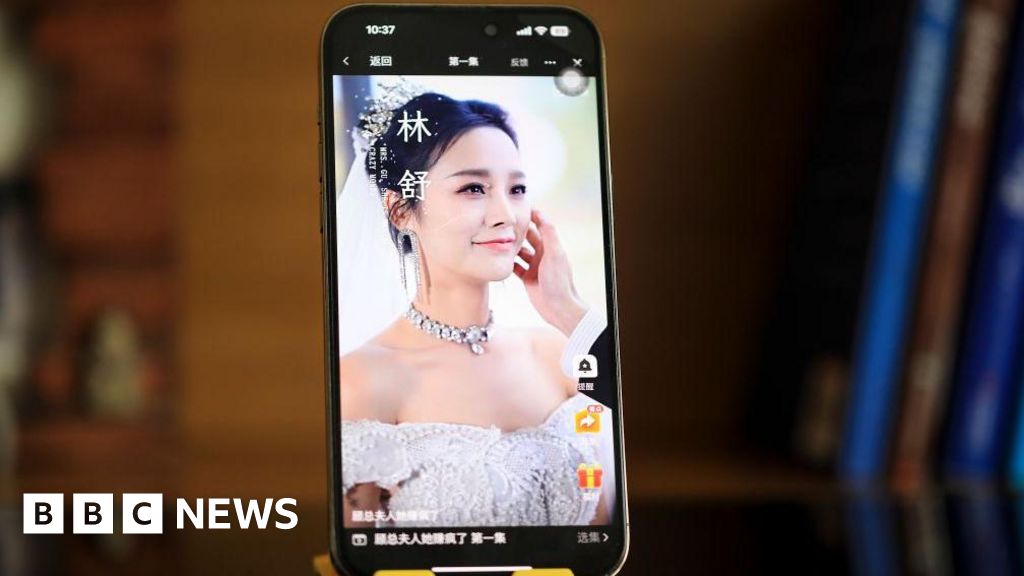
China has ordered provincial authorities to crack down on materialistic, violent and sexualised content in locally produced micro dramas. The campaig
Read Full Story at BBC World News →Why This Matters
The crackdown reflects Beijing's tightening control over cultural expression, signaling a renewed emphasis on ideological purity as micro dramas—often produced on shoestring budgets—become a dominant force in China's entertainment landscape. For a generation raised on digital content, these dramas are more than casual viewing; they shape consumer behavior and social norms, making their regulation a matter of both cultural governance and economic oversight.
Background Context
China's media watchdogs have long targeted content deemed morally corrupt, but the focus on micro dramas—short, low-budget series distributed via platforms like Douyin (TikTok) and Bilibili—highlights their explosive growth and influence. The genre, which thrives on user-generated platforms, has skirted traditional censorship by flying under the radar of state regulators focused on longer-form productions, despite its massive reach among younger audiences.
What Happens Next
Expect a domino effect of takedowns and algorithmic adjustments as platforms preemptively purge content to avoid penalties, potentially reshaping the micro drama ecosystem overnight. The campaign may also accelerate consolidation, benefiting larger studios with compliance teams while squeezing independent creators who lack resources to adapt to new rules. Whether this leads to a surge in state-approved "red content" or a black-market surge in circumvention tools remains an open question.
Bigger Picture
This move aligns with a broader pattern of Xi Jinping-era cultural policies, where even niche digital media are scrutinized for their perceived threats to social stability. As China's entertainment industry globalizes, the clampdown risks stifling the very creativity that propelled its soft power, while reinforcing the state's role as the ultimate arbiter of what narratives are permissible in the digital public sphere.







