China unveils first-of-its-kind 'dual-core' quantum computer — its makers say it improves stability and efficiency
A new Chinese quantum computing system pairs two independent neutral-atom arrays in one processor, aiming to boost stability, efficiency and scalability.
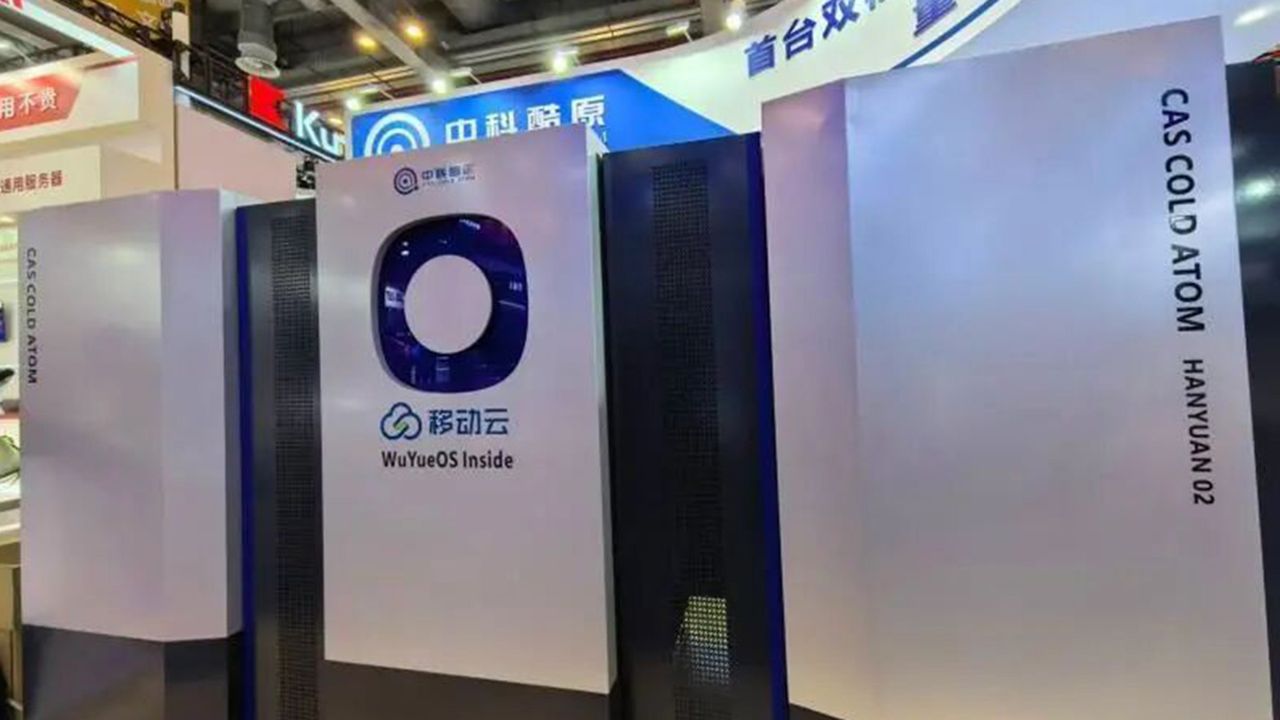
A new Chinese quantum computing system pairs two independent neutral-atom arrays in one processor, aiming to boost stability, efficiency and scalabili
Read Full Story at Live Science →Why This Matters
The launch of China's first "dual-core" quantum computer marks a pivotal step in the global race for quantum supremacy, not just for its technical novelty but for how it could redefine computational limits. By integrating two independent neutral-atom arrays, this system addresses a longstanding challenge in quantum computing: maintaining stability without sacrificing scalability. For industries reliant on high-performance computing—from cryptography to materials science—this could accelerate breakthroughs that were previously constrained by the fragility of single-core quantum processors.
Background Context
Quantum computing has evolved through competing architectures, with superconducting qubits and trapped ions leading the way, but neutral-atom systems have emerged as a scalable alternative due to their long coherence times and ease of manipulation. China’s investment in this technology reflects a strategic pivot from classical supercomputing dominance to quantum innovation, mirroring its broader push to reduce reliance on foreign semiconductor supply chains. Meanwhile, the U.S. and Europe have focused on hybrid quantum-classical approaches, making this dual-core design a potential inflection point in the global competition.
What Happens Next
If the dual-core system delivers on its promises of stability and efficiency, it could shift the paradigm for quantum error correction, a critical hurdle in practical deployment. Competitors may accelerate their own multi-core designs, while skeptics will scrutinize performance metrics under real-world workloads. The next phase will likely involve partnerships with industries like pharmaceuticals or finance to test applications, potentially reshaping which nations lead in quantum-enabled breakthroughs over the next decade.
Bigger Picture
This development underscores a broader trend: the fragmentation of quantum computing into specialized architectures, each vying for dominance in niche applications. As nations and corporations double down on quantum hardware, the focus is shifting from raw qubit counts to resilience and integration with classical systems. The dual-core model could set a precedent for modular quantum computing, where processors are built like Lego blocks to tackle increasingly complex problems beyond the reach of today’s supercomputers.







