Chinese sodium battery surprised scientists by matching key Tesla benchmarks
Researchers found that a Chinese sodium-ion battery performs far better than expected, with production quality and design features comparable to Tesla’s batteries. If engineers can improve cold-weathe
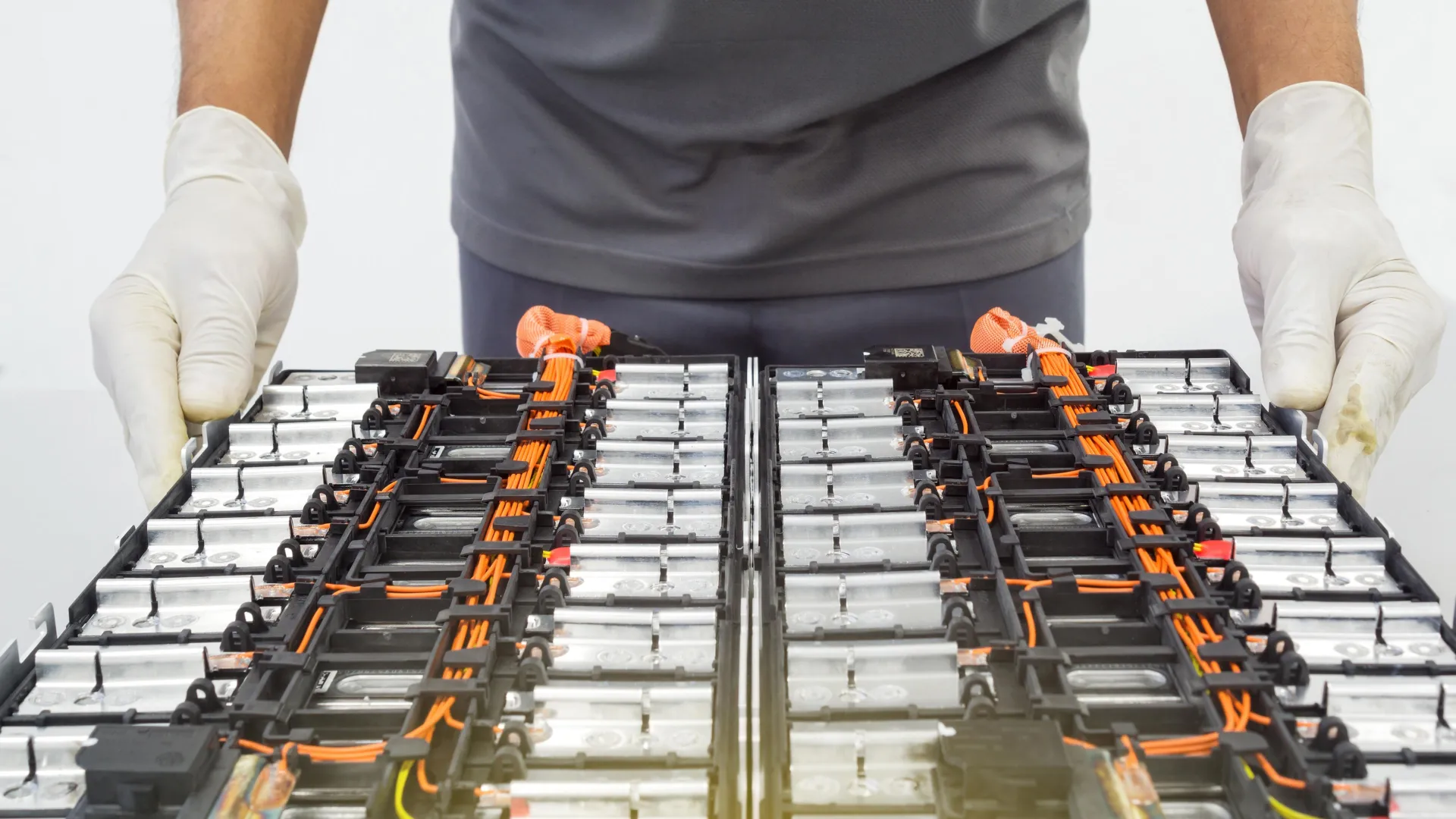
Researchers found that a Chinese sodium-ion battery performs far better than expected, with production quality and design features comparable to Tesla
Read Full Story at ScienceDaily →Why This Matters
The breakthrough underscores a seismic shift in battery economics, where sodium-ion technology—once dismissed as a niche alternative—now threatens to displace lithium-ion in key markets. Beyond cost advantages, this development signals China’s accelerating dominance in next-generation energy storage, potentially reshaping global supply chains and geopolitical power dynamics in clean tech.
Background Context
Sodium-ion batteries have long been hobbled by low energy density and poor cold-weather performance, limiting their appeal despite sodium’s abundance and affordability. Meanwhile, Tesla’s lithium-ion batteries set the benchmark for durability and efficiency, making China’s leap into parity a strategic inflection point—especially as Western automakers scramble for alternatives amid lithium supply chain vulnerabilities.
What Happens Next
If Chinese engineers crack the cold-weather barrier, we may see a rapid commercialization push targeting sectors like grid storage and budget EVs, where cost trumps performance. The real wildcard is whether Western firms double down on lithium or pivot aggressively to sodium, accelerating a bifurcation of battery ecosystems that could redefine trade alliances.
Bigger Picture
This aligns with a broader trend of China leapfrogging Western innovation in critical industries, from solar panels to EVs. As sodium-ion batteries mature, they could become a cornerstone of the energy transition—particularly in regions where lithium access is constrained, but where sodium resources are plentiful, signaling a decentralization of battery production away from traditional lithium hubs.







