CME is letting traders bet on bitcoin volatility, not price, and two firms have already placed bets
CME is letting traders bet on bitcoin volatility, not price, and two firms have already placed bets
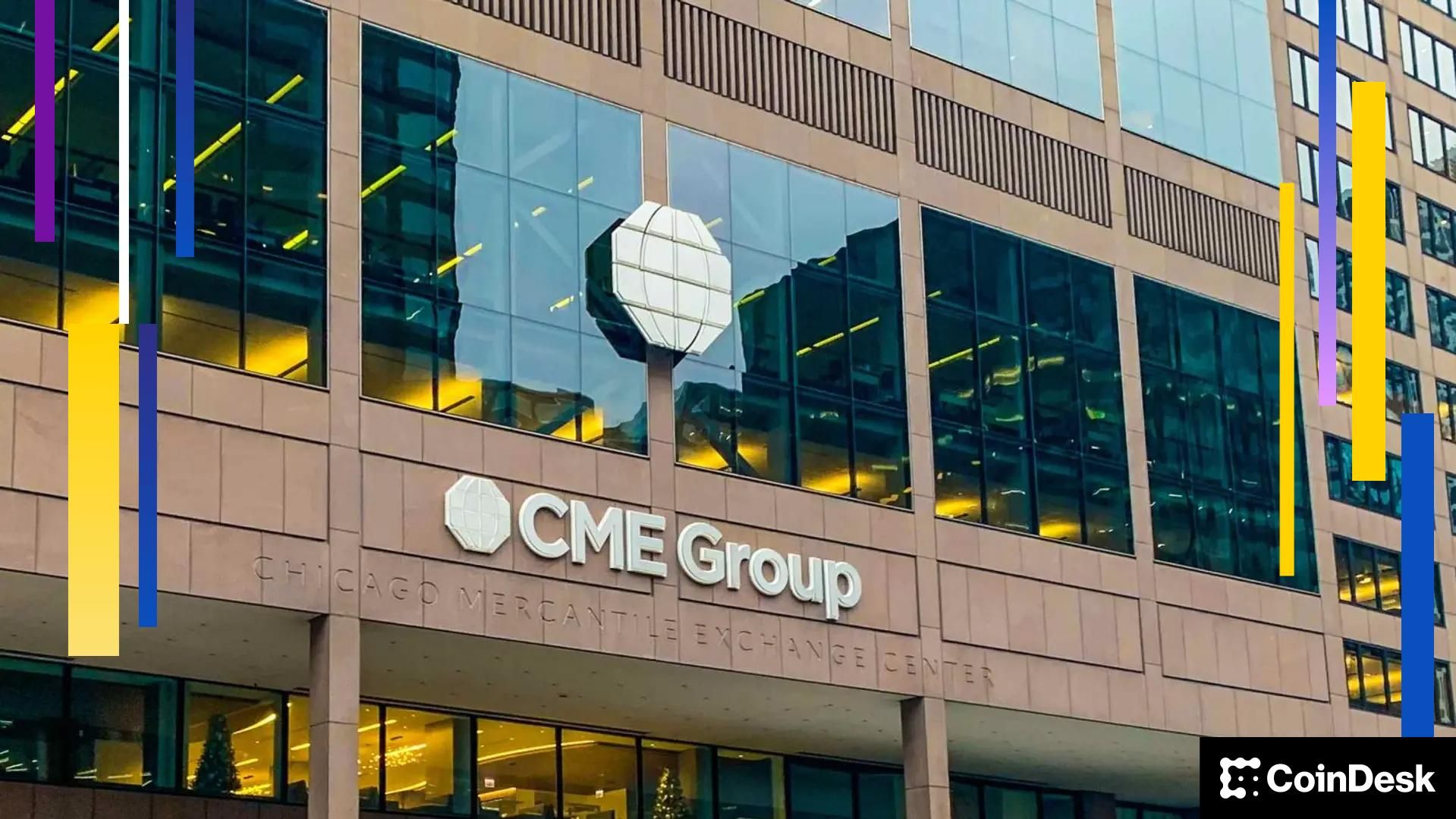
This report comes from CoinDesk. The story centres on CME is letting traders bet on bitcoin volatility, not price, and two firms have already placed b
Read Full Story at CoinDesk →Why This Matters
The shift toward volatility-based derivatives marks a pivotal evolution in digital asset trading, decoupling speculation from directional bets on price. For institutional players weary of bitcoin's rollercoaster price swings, this instrument offers a way to hedge risk or profit from volatility itself—without taking on outright exposure to the cryptocurrency. The move could broaden the market's appeal to risk-averse investors who see crypto as too speculative but are drawn to its inherent price fluctuations.
Background Context
CME Group has long been a bellwether for institutional crypto adoption, launching its first bitcoin futures in 2017 amid skepticism from traditional finance. Volatility products are a natural extension of this trajectory, mirroring trading instruments that emerged in commodities and equities during periods of high uncertainty. Historically, volatility derivatives have thrived in markets where uncertainty is high but directional bets are risky, such as post-2008 financial products tied to credit spreads.
What Happens Next
The success of these early bets could trigger a wave of similar products from other derivatives exchanges, normalizing volatility trading in crypto. Regulators may scrutinize the instruments for systemic risk, particularly if they attract leveraged positions. Meanwhile, the participation of major firms suggests growing institutional comfort with crypto as a standalone asset class—not just a speculative vehicle.
Bigger Picture
This development aligns with a broader trend of financialization in digital assets, where derivatives and structured products are becoming as important as the underlying assets themselves. It also reflects a maturation of crypto markets, where traders increasingly seek tools to manage risk rather than chase unlimited upside. If volatility products gain traction, they could further legitimize crypto in the eyes of mainstream investors wary of extreme price swings.




