Colombia's escalating, brutal internal conflict is defining its presidential election
"My brother was murdered for not paying an extortion payment...in front of his children," Edilma Martinez Flores said at a support centre for displaced people in Bogotá. She fled her home on the outs
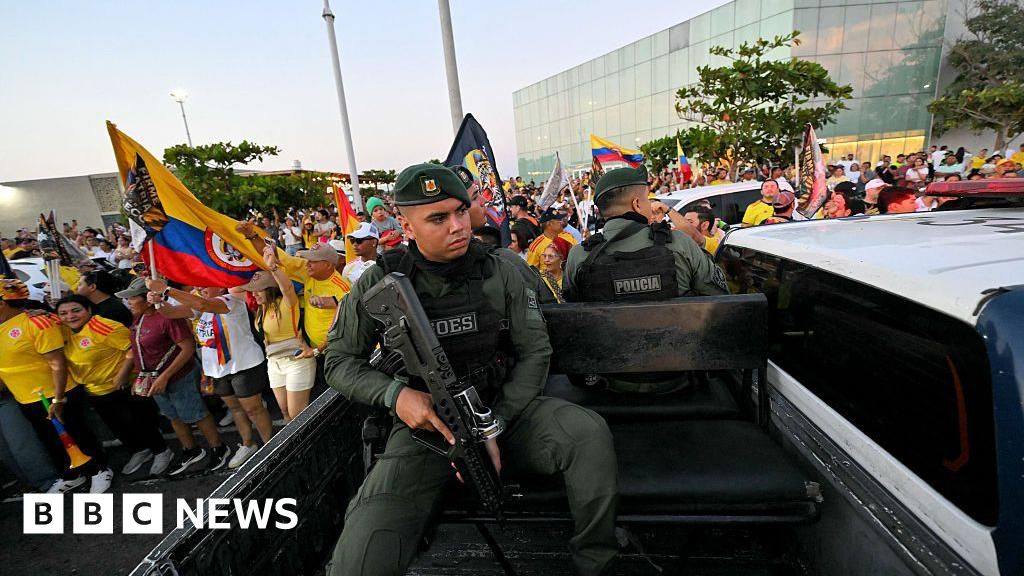
"My brother was murdered for not paying an extortion payment...in front of his children," Edilma Martinez Flores said at a support centre for displace
Read Full Story at BBC World News →Why This Matters
Colombia’s presidential election arrives at a pivotal moment where the escalating violence between armed groups is not just a backdrop but a defining force shaping the country’s future. The personal tragedies of victims like Edilma Martinez Flores underscore how deeply entrenched armed conflict has become a litmus test for democratic governance. This election will determine whether Colombia can transition from decades of armed confrontation to lasting peace—or risk further fragmentation.
Background Context
Colombia’s internal conflict has evolved beyond its traditional left-right divide, with paramilitary factions, dissident guerrilla groups, and drug cartels now operating as hybrid criminal enterprises. The 2016 peace accord with the FARC initially reduced violence, but splinter groups and new armed actors have filled the power vacuum, especially in rural areas. This shift has left communities like those displaced to Bogotá caught between competing armed factions, where extortion and violence are tools of territorial control.
What Happens Next
The election will likely hinge on which candidate can credibly address security while avoiding militaristic overreach that could escalate violence. A victory for a hardline security candidate risks further militarization, while a peace-focused approach may struggle to contain armed groups without strong institutional backing. Watch for shifts in rural policy, the role of the U.S. in counter-narcotics efforts, and whether new peace negotiations emerge—or if Colombia lurches toward de facto warlordism.
Bigger Picture
Colombia’s crisis reflects a broader regional trend where post-conflict transitions stall amid fragmented armed groups and transnational crime. As armed actors exploit weak state presence, elections become proxy battles for control over territory and resources. The outcome here could set a precedent for how Latin America confronts the dual challenges of organized crime and democratic backsliding in an era of eroding state authority.





