“Congregation of the World”: Union Seminary’s Rev. Dr. Serene Jones
The first woman president of historic Union Theological Seminary in New York City reflects on her 18 years in the position, and on the state of activism and religious vocation in 2026 America.
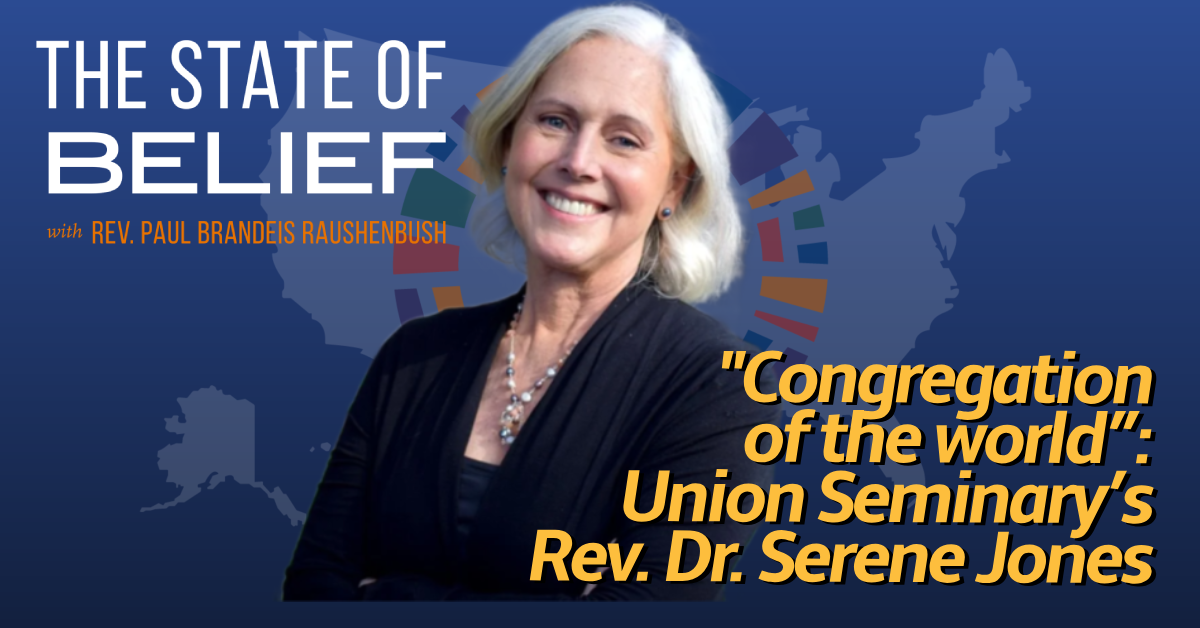
The first woman president of historic Union Theological Seminary in New York City reflects on her 18 years in the position, and on the state of activi
Read Full Story at Religion News Service →Why This Matters
The leadership of Union Theological Seminary under Rev. Dr. Serene Jones has become a bellwether for how elite religious institutions navigate the intersection of progressive theology, social justice, and institutional survival in an era of deepening polarization. Her tenure reflects broader tensions between tradition and transformation within mainline Protestantism, particularly as younger generations redefine the boundaries of faith-based activism.
Background Context
Union Theological Seminary, founded in 1836, has long been a crucible for theological innovation, hosting figures like Reinhold Niebuhr and Dietrich Bonhoeffer. Its location in New York City—amidst global finance, cultural institutions, and social movements—has historically positioned it as a bridge between academic rigor and grassroots activism. Jones’ presidency, spanning nearly two decades, coincided with seismic shifts in American religion, including the rise of "spiritual but not religious" demographics and the declining influence of denominational hierarchies.
What Happens Next
With Jones’ departure, Union faces a critical moment in redefining its role in a religious landscape increasingly dominated by digital platforms and decentralized communities. The seminary’s next leader will inherit a legacy of bold public theology but must address financial sustainability amid declining enrollment and the existential question of whether elite institutions can remain relevant to a generation skeptical of institutional authority. Watch for shifts in curriculum toward more interdisciplinary models that blend activism, technology, and global perspectives.
Bigger Picture
Jones’ tenure underscores a generational transition in theological education, where institutions are being forced to reconcile their historic missions with the demands of a post-Christian public sphere. The broader trend reflects a broader unraveling of denominational loyalties in favor of fluid, justice-oriented spiritual communities—raising questions about whether seminaries themselves may become relics or, conversely, incubators for the next wave of religious evolution.