Congress Gets 7 New Crypto Tax Bills: Here's What's In Them
The crypto tax bills—the first of their kind to be deliberated by congressional leadership—will be discussed at a House hearing on Tuesday.
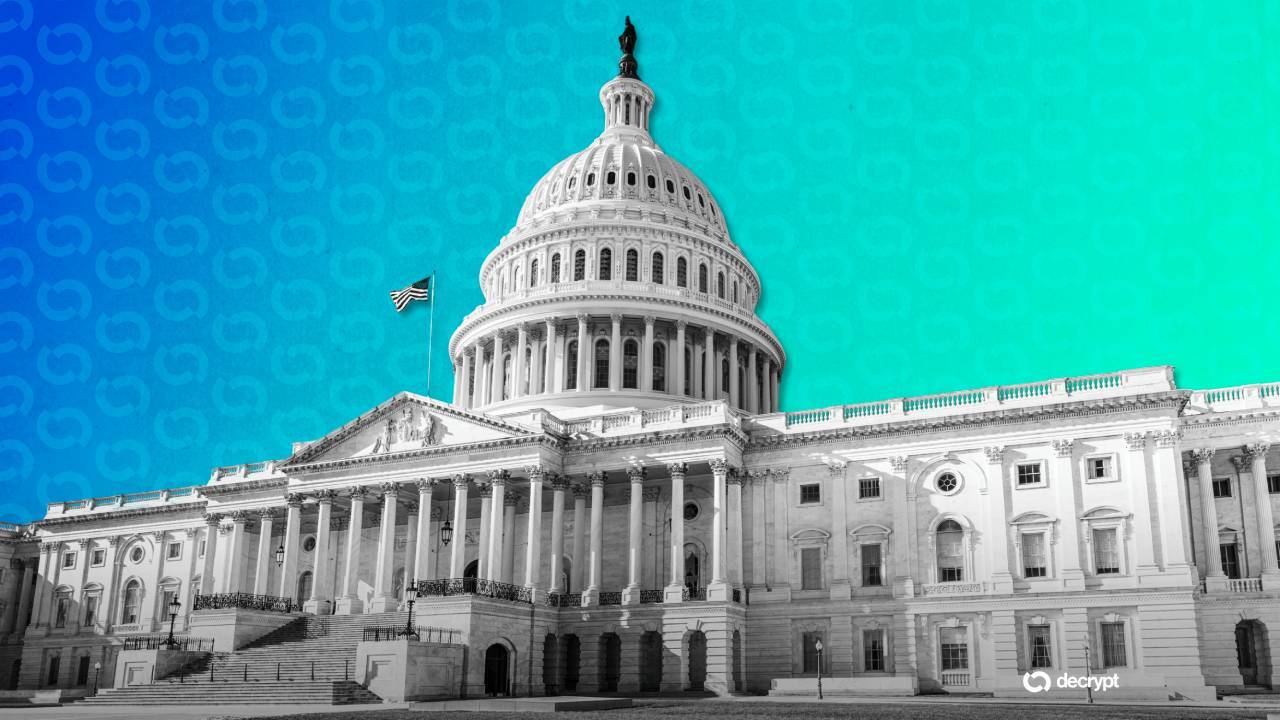
The crypto tax bills—the first of their kind to be deliberated by congressional leadership—will be discussed at a House hearing on Tuesday. This repo
Read Full Story at Decrypt →Why This Matters
The introduction of seven distinct crypto tax bills represents a turning point in how digital assets are regulated in the U.S., signaling Congress's recognition that the current tax framework is ill-equipped to handle the complexities of blockchain technology. For the first time, lawmakers are engaging with granular policy proposals that could reshape how investors, miners, and exchanges report and pay taxes, potentially bridging the gap between innovation and compliance.
Background Context
Crypto taxation has long operated in a regulatory gray area, with the IRS’s 2014 guidance on treating digital assets as property remaining the only formal directive—one that predates the rise of decentralized finance, NFTs, and smart contracts. The fragmentation of these bills reflects deep divisions among lawmakers over how to balance innovation with investor protection, as well as the evolving role of stablecoins and DeFi protocols in the broader financial system.
What Happens Next
The House hearing on Tuesday will likely expose stark ideological divides, with progressives pushing for stricter oversight and conservatives advocating for lighter touch regulation to avoid stifling growth. Key variables to watch include whether any bills gain bipartisan traction, how the Treasury Department weighs in, and whether industry lobbying groups manage to shape the debate before potential markup sessions later this year.
Bigger Picture
This legislative push reflects a broader global shift toward crypto-specific tax policies, as jurisdictions from the EU to Singapore refine their frameworks to attract digital asset businesses while mitigating risks. The U.S. risks falling behind if these bills stall, but the sheer volume of proposals also underscores the challenge of crafting coherent policy in a space where technology outpaces regulation by years.




