Congress lets decades-old spying law lapse amid Trump's controversial DNI nomination
Section 702 has also been used to surveil American citizens. Congress failed to extend a key surveillance law on Thursday night, according to a report by Politico . This effectively means that Secti…
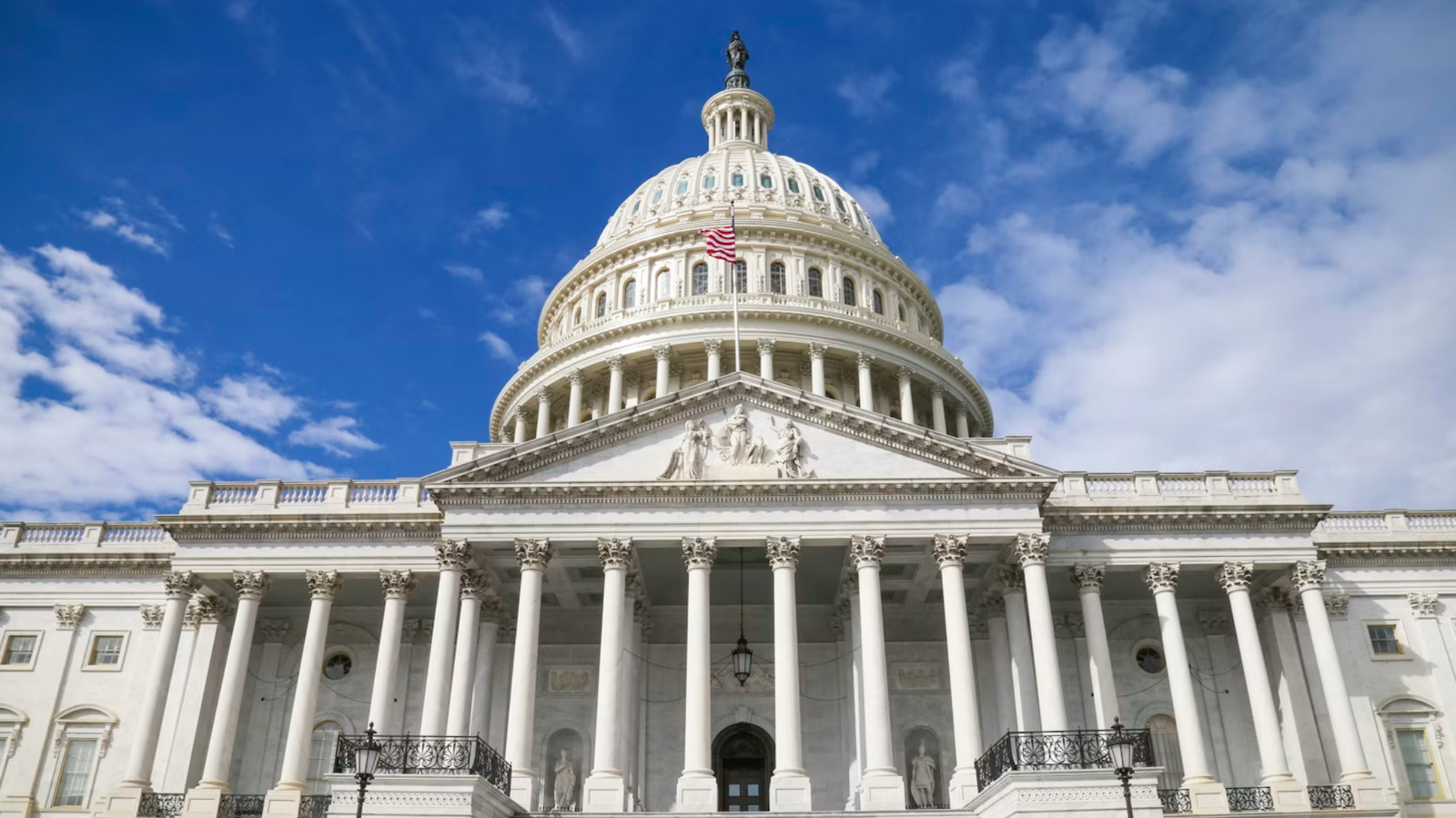
Congress failed to extend a key surveillance law on Thursday night, according to a report by Politico . This effectively means that Section 702 of the
Read Full Story at Engadget →Why This Matters
The lapse of Section 702 isn’t just a procedural failure—it signals a rare breach in the bipartisan consensus on surveillance powers that has persisted for decades. Without this authority, intelligence agencies lose a critical tool for tracking foreign threats, but the collapse also exposes deep divisions over balancing security with civil liberties, particularly as the next Director of National Intelligence nomination looms.
Background Context
Section 702 was first enacted in 2008 under the FISA Amendments Act, a post-9/11 measure that allowed warrantless surveillance of non-U.S. persons abroad, often ensnaring Americans in the process. Critics argue the law has been repeatedly abused, with minimal oversight and no meaningful reforms, while supporters insist it’s indispensable for thwarting cyberattacks and terrorism. The timing of its expiration—amid a contentious DNI nomination—adds a layer of political volatility to an already contentious debate.
What Happens Next
Congress may attempt a temporary extension or patchwork solution to restore some surveillance capabilities, but partisan gridlock suggests any revival will be contentious. Intelligence agencies will likely rely on alternative authorities, with potential gaps in intelligence collection becoming apparent within weeks. Meanwhile, the nomination of Trump’s DNI pick could become a lightning rod, with lawmakers using the surveillance debate as a proxy for broader concerns about executive overreach.
Bigger Picture
This stalemate reflects a broader erosion of trust in government surveillance, where even long-standing programs face skepticism from both libertarian Republicans and progressive Democrats. The failure to renew Section 702 may embolden further challenges to expansive intelligence powers, setting a precedent for future oversight battles. It also underscores how domestic political divisions are increasingly shaping national security policy, with ramifications for both U.S. security and America’s global standing.




