Could the keto diet help treat anorexia, schizophrenia and depression?
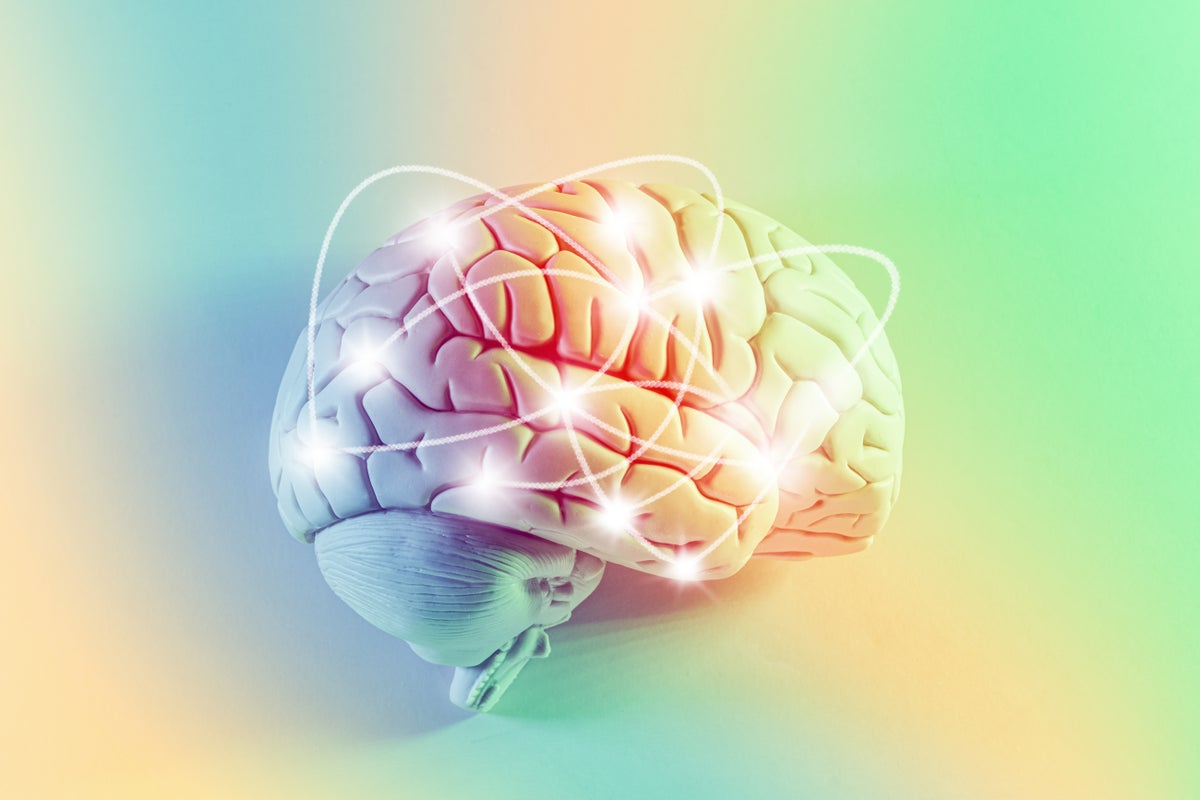
Could the keto diet help treat anorexia, schizophrenia and depression? Early research suggests that some mental health conditions could stem from metabolic disorders. If so, the findings could chang…
Scientific American — 16 June 2026
Text:
18
0
0
Could the keto diet help treat anorexia, schizophrenia and depression? Early research suggests that some mental health conditions could stem from met
Read Full Story at Scientific American →
⚡ Quickyla Analysis
Original editorial context — not sourced from the article above
The emerging link between metabolic health and mental illness represents one of the most provocative frontiers in neuroscience. Research suggesting that conditions like anorexia, schizophrenia, and depression may share metabolic roots challenges long-held assumptions about psychiatric disorders, which have traditionally been treated as purely neurochemical or psychological in origin. If metabolic dysfunction—whether in glucose regulation, mitochondrial efficiency, or energy production—plays a more central role than previously recognized, it could redefine treatment paradigms, shifting focus from neurotransmitter modulation alone to broader systemic interventions. This is not merely academic; it has tangible implications for patients who have struggled with conventional therapies that failed to address the metabolic underpinnings of their conditions.
The idea that mental health disorders might be metabolic is not entirely new. Historical observations, such as the rare but documented cases of schizophrenia improving during starvation or the ketogenic diet’s long-standing use in epilepsy, hint at a deeper biological connection. Yet only recently has the scientific community begun to systematically explore how disruptions in energy metabolism—particularly in the brain’s reliance on glucose versus ketones—might contribute to psychiatric symptoms. Early studies indicate that metabolic inflexibility, where cells struggle to switch between fuel sources, could impair neural function, contributing to cognitive rigidity in anorexia or energy deficits in depression. Similarly, in schizophrenia, metabolic abnormalities have been observed in patients long before antipsychotic treatment, suggesting an intrinsic biological factor rather than a drug-induced side effect.
The most pressing question now is whether diet can serve as a primary or adjunctive treatment. While the ketogenic diet’s potential benefits in epilepsy are well-established, its application to psychiatric conditions remains experimental. Clinical trials are underway, but results will take years to mature, leaving patients and clinicians in a precarious position. Ethical concerns also arise: could dietary interventions replace proven therapies, or are they best used in combination? The broader trend here mirrors the growing recognition of the gut-brain axis and the microbiome’s role in mental health, reinforcing a shift toward holistic, biologically informed approaches in psychiatry.
If these connections hold, the implications extend beyond treatment. Insurance coverage, diagnostic criteria, and even societal perceptions of mental illness could evolve, much as they did when depression was linked to inflammation. The stakes are high, and the science is still unfolding—but the potential to bridge the gap between body and mind offers a glimmer of hope where none existed before.
Sources

🔬 Science
'Astonishing': James Webb telescope spots the most chemically primitive galaxy in the ancient universe

🔬 Science
El Niño Is Underway

🔬 Science
Astronomers gaze into the 'Crystal Ball Nebula' and see a vision of our dying sun — Space photo of the week

🔬 Science
Bacteria uncover distinct strategy to import rare sugar polymers, crystal structures show

🔬 Science
NASA Awards Contract for Johnson Space Center Infrastructure

🔬 Science
Repairing DNA damage: Scientists discover a surprising new benefit of melatonin

