🔬 Science
Live
Could this ancient burial site be the oldest lethal plague outbreak?
Could this ancient burial site be the oldest lethal plague outbreak? Graves of hunter-gatherers in Siberia point to a deadly disease outbreak dating to some 5,500 years ago, a new DNA analysis finds…
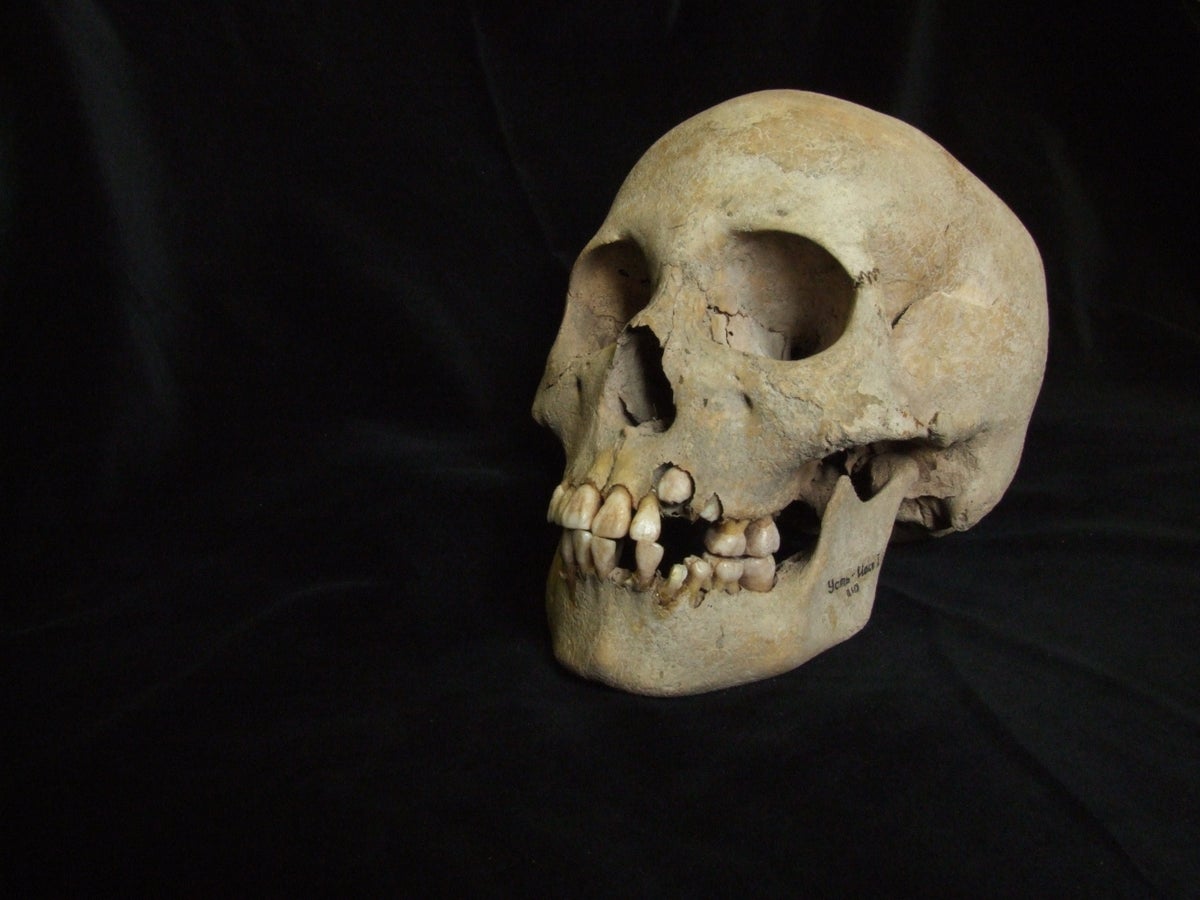
Scientific American — 17 June 2026
Text:
21
0
0
Could this ancient burial site be the oldest lethal plague outbreak? Graves of hunter-gatherers in Siberia point to a deadly disease outbreak dating
Read Full Story at Scientific American →
⚡ Quickyla Analysis
Original editorial context — not sourced from the article above
The discovery of an ancient burial site in Siberia, potentially linked to the earliest known lethal plague outbreak, forces a reconsideration of humanity’s long co-existence with infectious disease. While the Black Death and Justinian’s Plague loom large in historical memory, this finding suggests that *Yersinia pestis*—the bacterium behind the plague—may have been killing people thousands of years before recorded epidemics. If confirmed, it would push back the timeline of the plague’s role in human mortality by millennia, reshaping our understanding of early disease ecology. More than just a historical footnote, this challenges the assumption that complex pathogens required settled agricultural societies to thrive. Instead, it implies that hunter-gatherer groups, often seen as less vulnerable due to smaller populations, were not immune to devastating outbreaks.
The broader significance lies in how this aligns with growing evidence that prehistoric humans faced significant infectious disease burdens. Recent genetic studies have uncovered traces of ancient pathogens in skeletal remains from Europe to the Americas, hinting that disease may have played a more pivotal role in shaping early human societies than previously thought. The Siberian site, dated to around 3500 BCE, raises questions about how such a virulent strain could have circulated among mobile groups. Did trade networks, animal interactions, or environmental shifts facilitate its spread? The answer could redefine the narrative of early human resilience, suggesting that disease was an ever-present threat even before urbanization.
What remains unclear is the full scope of this outbreak. Was it an isolated cluster or part of a wider pattern? Genetic analysis of more remains from the region could reveal whether the strain was a precursor to later plague pandemics. Additionally, its impact on the local population—whether it contributed to demographic decline or societal changes—is still unknown. As paleogenomic research accelerates, similar discoveries may emerge, further eroding the boundary between "prehistoric" and "historical" disease. The real story here is not just the antiquity of the plague, but how it underscores the enduring—and often underestimated—interplay between humans and microbes across time.
Sources

🔬 Science
'Astonishing': James Webb telescope spots the most chemically primitive galaxy in the ancient universe

🔬 Science
El Niño Is Underway

🔬 Science
Astronomers gaze into the 'Crystal Ball Nebula' and see a vision of our dying sun — Space photo of the week

🔬 Science
Bacteria uncover distinct strategy to import rare sugar polymers, crystal structures show

🔬 Science
NASA Awards Contract for Johnson Space Center Infrastructure

🔬 Science
Repairing DNA damage: Scientists discover a surprising new benefit of melatonin

