🌍 World News
Live
Cuba approves economic reforms amid US pressure
The Communist Party of Cuba (PCC) on Wednesday approved a package of reforms aimed at opening up more sectors to private investment. The reform process coincides with increased economic pressure fro…
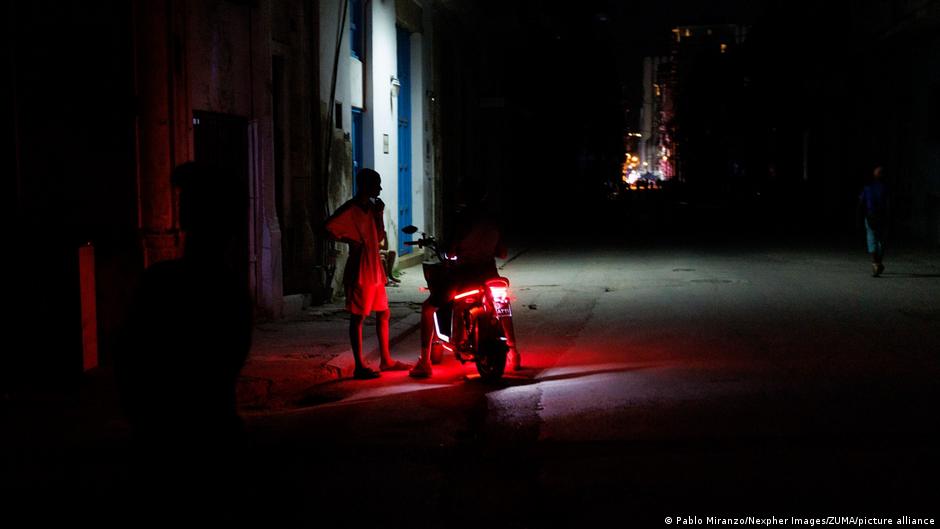
DW World — 18 June 2026
Text:
31
0
0
The Communist Party of Cuba (PCC) on Wednesday approved a package of reforms aimed at opening up more sectors to private investment. The reform proce
Read Full Story at DW World →
⚡ Quickyla Analysis
Original editorial context — not sourced from the article above
Cuba’s latest economic reforms represent more than just another policy shift within its centrally planned system—they signal a quiet but consequential pivot in a nation long defined by ideological rigidity. By expanding private investment beyond the limited sectors currently permitted, the Communist Party is acknowledging, however cautiously, that state-controlled stagnation cannot indefinitely sustain a population grappling with scarcity and decay. This is not the first time Havana has flirted with market-oriented changes, but the timing—amid intensifying U.S. sanctions and a deepening crisis in Venezuela, Cuba’s key ally—adds geopolitical weight to the move. The reforms suggest Cuba is no longer waiting for external conditions to improve; it is attempting to adapt to them, even if the process remains halting and constrained by the Party’s unwillingness to cede control over strategic industries.
The background to this decision is decades in the making. Since the Soviet bloc’s collapse in the 1990s, Cuba has oscillated between periods of limited liberalization and retrenchment, always under the shadow of U.S. embargo restrictions. The Obama-era thaw briefly raised hopes, only to be reversed by Trump-era sanctions and tightened restrictions on remittances and travel. Now, with Venezuela’s economy in freefall and Russia distracted by its war in Ukraine, Cuba faces a narrowing range of options to stabilize its dollar-starved economy. The reforms approved this week—likely including expanded small-business licenses and foreign investment incentives—are tactical responses to immediate shortages, but they also risk exposing Cuba to the vulnerabilities of globalization: capital flight, inequality, and the erosion of socialist guarantees. The Party’s insistence on maintaining a "socialist framework" while inviting private capital underscores the tension between survival and principle.
What happens next is far from certain. Will these changes attract enough foreign or domestic investment to meaningfully ease shortages, or will they be stifled by bureaucratic resistance and ideological backlash? The U.S. response will be critical; further tightening of sanctions could render the reforms moot, while even limited easing might embolden reformers. Domestically, the Party faces a delicate balancing act—avoiding the kind of social unrest seen in 2021 while preventing the reforms from becoming a slippery slope toward systemic liberalization. For now, Cuba’s experiment with partial capitalism remains tightly controlled, but the direction of travel is unmistakable. In a region where leftist governments are increasingly embracing market pragmatism, Havana’s incremental steps may soon look less like an exception and more like a necessity.
Sources

🌍 World News
Agitators outside Delaney Hall set up organized logistics operation before Newark protests began

🌍 World News
Man fleeing police attacked by alligator before continuing his getaway, Louisiana authorities say
🌍 World News
US crude exports hit record high in May as Iran war tightens global oil supplies

🌍 World News
French doctors sound alarm over drinking water pollution

🌍 World News
Iran, Kuwait, Bahrain hit: Is the war in the Gulf escalating again?

🌍 World News
Four people trapped in flooded cave in Laos pulled to safety


