🌍 World News
Live
Cuba tourism collapses as US pressure campaign bites
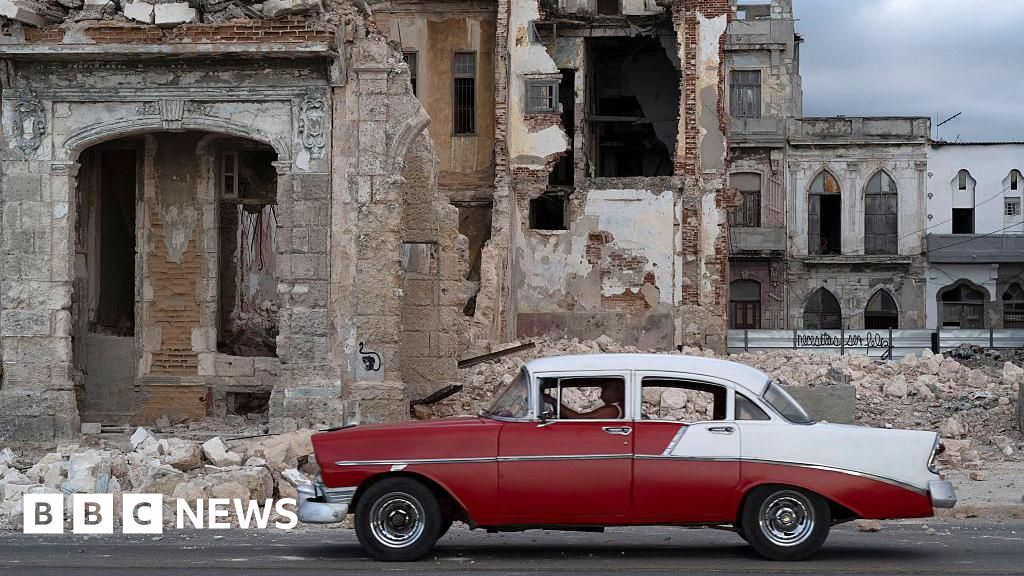
The number of foreign travellers visiting Cuba has plummeted since the beginning of the year amid tightened US sanctions, figures released by Cuba's national statistics agency suggest. Fewer than 36…
BBC World News — 16 June 2026
Text:
33
0
0
The number of foreign travellers visiting Cuba has plummeted since the beginning of the year amid tightened US sanctions, figures released by Cuba's n
Read Full Story at BBC World News →
⚡ Quickyla Analysis
Original editorial context — not sourced from the article above
The steep decline in Cuba’s tourism numbers reflects more than just a temporary dip in travel—it signals a deeper shift in the island’s economic and geopolitical fortunes, one that could reshape its future for years to come. For decades, tourism has been a lifeline for Cuba, buffering the impact of US sanctions with a steady flow of European, Canadian, and Latin American visitors. But as Washington tightens its pressure campaign—limiting flights, restricting cruise ship visits, and penalizing airlines that breach restrictions—those numbers are collapsing. The economic stakes are high: tourism accounts for roughly 10% of Cuba’s GDP, and its collapse threatens to worsen shortages of food, medicine, and hard currency, already exacerbated by the pandemic and internal mismanagement.
What’s less visible in the headlines is the cumulative effect of these sanctions, which have escalated under both the Trump and Biden administrations. Beyond the headline-grabbing restrictions, secondary measures—like the 2020 decision to allow lawsuits against foreign companies operating on confiscated US properties—have chilled investment and travel. Meanwhile, Cuba’s once-reliable lifeline, Venezuelan oil subsidies, has dwindled, leaving the island increasingly dependent on anemic tourism revenue. The result is a vicious cycle: fewer visitors mean less income, which in turn makes it harder to import goods, further deterring tourists.
Looking ahead, the big question is whether Cuba can pivot toward new markets—Russia, China, or even domestic tourism—to offset the losses. So far, signs are mixed. Russian tourists have increased, but not enough to fill the void left by Americans and Europeans. China, while expanding its influence in the region, has shown little appetite for absorbing Cuba’s tourism shortfall. Domestically, rising prices and shortages may push more Cubans to seek work in the informal economy, further straining the state’s control over the island’s economic narrative.
This crisis is about more than Cuba’s immediate struggles—it’s a test case for how small economies weather US coercive diplomacy in an era where global supply chains and tourism flows are increasingly weaponized. If Cuba’s tourism sector doesn’t rebound, the broader lesson may be that even resilient economies can fracture under sustained external pressure, with ripple effects across the Caribbean and beyond.
Sources

🌍 World News
Man fleeing police attacked by alligator before continuing his getaway, Louisiana authorities say
🌍 World News
US crude exports hit record high in May as Iran war tightens global oil supplies

🌍 World News
Agitators outside Delaney Hall set up organized logistics operation before Newark protests began

🌍 World News
French doctors sound alarm over drinking water pollution

🌍 World News
Iran, Kuwait, Bahrain hit: Is the war in the Gulf escalating again?

🌍 World News
Four people trapped in flooded cave in Laos pulled to safety

