🌍 World News
Live
Czech govt causes alarm by seeking to scrap license fee
In their campaign ahead of last autumn's election, the populist and far-right parties that now make up Czechia 's coalition government promised a revamp of Czech Television (CT) and Czech Radio (CRo)
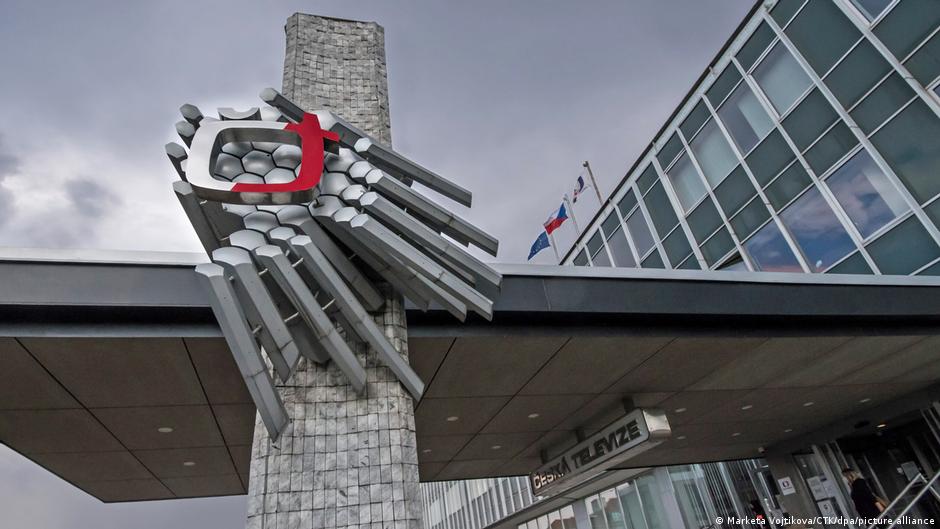
DW World — 19 June 2026
Text:
11
0
0
In their campaign ahead of last autumn's election, the populist and far-right parties that now make up Czechia 's coalition government promised a reva
Read Full Story at DW World →
⚡ Quickyla Analysis
Original editorial context — not sourced from the article above
The Czech government’s push to eliminate the mandatory license fee—a cornerstone of public broadcasting funding—signals more than just a budgetary tweak. For decades, the fee has underwritten independent journalism and cultural programming at Czech Television and Czech Radio, institutions that have stood as bulwarks against state influence in a region where media freedom has often been precarious. The move, framed as a populist cost-cutting measure, risks reshaping the media landscape in ways that could reverberate across Central Europe, where public broadcasters have long been battlegrounds between reformist impulses and illiberal backsliding.
The timing is telling. The coalition, led by populists and far-right figures, rode to power on promises of dismantling “elite” institutions they claim are out of touch with ordinary citizens. But the license fee’s abolition would sever a direct funding stream, replacing it with state subsidies that critics argue could politicize oversight. This isn’t an isolated gambit: neighboring Hungary’s Viktor Orbán has systematically eroded public media’s autonomy, turning it into a propaganda arm, while Poland’s government has similarly sidelined independent outlets. The Czech proposal, though not yet fully realized, fits a regional pattern where democratic backsliding begins with media capture.
What happens next hinges on whether the government can push the plan through parliament—or whether public outrage or institutional resistance derails it. Czech Television and Czech Radio have long enjoyed high public trust, a rare bright spot in an era of plummeting confidence in institutions. Their survival as independent voices may depend on whether alternative funding models, like voluntary subscriptions, can fill the gap—a gamble given the free-rider problem in media consumption. Meanwhile, the EU, which has condemned media freedom violations in Hungary and Poland, faces a new test: will it challenge Prague’s move as a breach of democratic standards, or treat it as an internal policy dispute?
The stakes extend beyond finances. Public broadcasters are often the last reliable sources of investigative reporting and cultural preservation in polarized societies. If the license fee falls, the question isn’t just who will fund Czech media—it’s who will control it.
Sources

🌍 World News
Man fleeing police attacked by alligator before continuing his getaway, Louisiana authorities say
🌍 World News
US crude exports hit record high in May as Iran war tightens global oil supplies

🌍 World News
Agitators outside Delaney Hall set up organized logistics operation before Newark protests began

🌍 World News
French doctors sound alarm over drinking water pollution

🌍 World News
Iran, Kuwait, Bahrain hit: Is the war in the Gulf escalating again?

🌍 World News
Four people trapped in flooded cave in Laos pulled to safety

