Daily pill doubles survival time for pancreatic cancer patients
A pill has been found to almost double the survival time for advanced pancreatic cancer patients, with experts describing the trial as a game changer. The drug, called daraxonrasib, appears to be a …
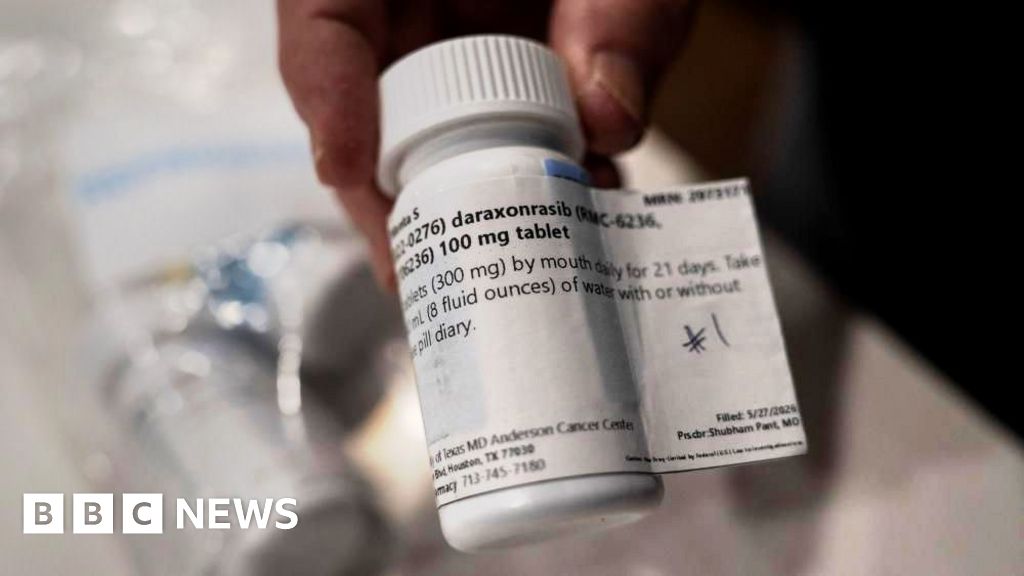
A pill has been found to almost double the survival time for advanced pancreatic cancer patients, with experts describing the trial as a game changer.
Read Full Story at BBC Health →Why This Matters
The breakthrough with daraxonrasib underscores a pivotal shift in oncology, where targeted therapies are finally making inroads into historically treatment-resistant cancers like pancreatic ductal adenocarcinoma. While immunotherapies have transformed outcomes for many malignancies, pancreatic cancer has lagged—until now. This pill could redefine survival benchmarks, offering not just incremental progress but a potential turning point in how advanced-stage cancers are managed.
Background Context
For decades, pancreatic cancer has been a death sentence, with a five-year survival rate hovering below 10%. The FDA has approved only one new drug for metastatic cases in the past decade, and combination therapies often come with debilitating side effects. The trial’s success with daraxonrasib—particularly its oral administration—contrasts sharply with the grueling chemotherapy regimens that dominate current treatment, signaling a possible pivot toward more tolerable, precision-based care.
What Happens Next
The next year will be critical as regulators scrutinize the trial data and determine whether daraxonrasib meets safety and efficacy thresholds for expedited approval. If greenlit, its rapid integration into clinical practice could pressure insurers to adjust coverage policies for advanced pancreatic cancer. Meanwhile, researchers will likely test the pill in earlier-stage patients, and combos with existing therapies may reveal even greater survival gains. The biggest unknown remains long-term resistance—a hurdle that has undone many cancer drugs.
Bigger Picture
This development aligns with a broader renaissance in targeted cancer drugs, where therapies once deemed niche are now reshaping treatment algorithms. The success of daraxonrasib could accelerate investment in KRAS inhibitors, a class of drugs long considered untouchable due to its genetic complexity. It also highlights the growing role of biomarkers in oncology, where molecular diagnostics are no longer optional but essential to unlocking personalized care—and could set a precedent for other "undruggable" tumors.