Democratic socialists are on the rise in Trump-era mayoral races
The rise is fueled by a backlash to Trump policies, economic strain and fatigue with the Democratic establishment. A possible win in Washington, D.C., might be next.
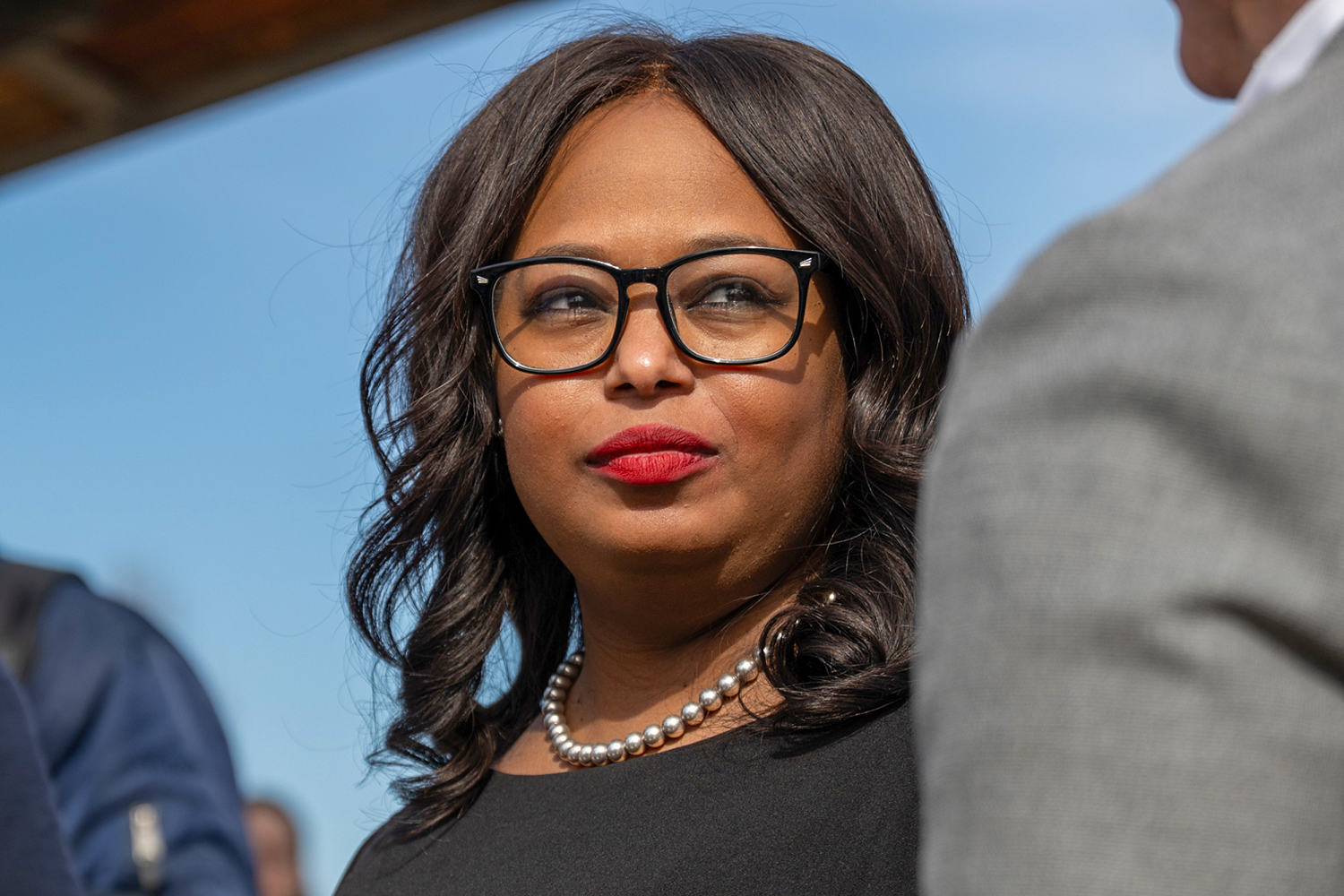
NBC News — 17 June 2026
Text:
12
0
0
The rise is fueled by a backlash to Trump policies, economic strain and fatigue with the Democratic establishment. A possible win in Washington, D.C.,
Read Full Story at NBC News →
⚡ Quickyla Analysis
Original editorial context — not sourced from the article above
The surge of democratic socialists in Trump-era mayoral races reflects a deeper realignment within the Democratic Party and urban politics, one that challenges both the party’s centrist establishment and the broader conservative tide sweeping U.S. governance. While national Democratic leaders often prioritize electability over ideological purity, local races—particularly in progressive strongholds like Washington, D.C.—have become incubators for left-wing experimentation. The movement’s growth isn’t just a reaction to Trumpism; it’s a generational shift, with young voters, rent-burdened millennials, and disillusioned progressives demanding policies that address housing crises, police reform, and economic inequality in ways establishment Democrats have hesitated to embrace.
This isn’t the first time democratic socialism has gained traction in municipal politics. The 2010s saw figures like Kshama Sawant in Seattle and Alexandria Ocasio-Cortez’s early campaigns in New York City plant seeds that are now bearing fruit in mayoral races. What’s different now is the scale and coordination. Organizations like the Democratic Socialists of America (DSA) have shifted from grassroots activism to targeted electoral strategies, backing candidates who can mobilize coalitions beyond traditional Democratic donors. The Washington, D.C., race—where at least two democratic socialists are vying for influence—could serve as a bellwether, testing whether these candidates can translate progressive rhetoric into governing power in a city already dominated by Democrats.
The broader significance lies in how these races redefine the boundaries of acceptable policy. If democratic socialists win in D.C. or elsewhere, they’ll pressure national Democrats to adopt bolder platforms on issues like rent control, public housing, and defunding police departments. Yet their success also raises questions about feasibility: Can these candidates govern effectively without alienating centrist allies? Will their policies withstand legal challenges or pushback from business interests? And, crucially, will their wins inspire similar movements in less progressive cities, or remain confined to deep-blue enclaves?
Ultimately, this trend underscores a widening fissure in the Democratic coalition—one where the party’s future may hinge on whether it can reconcile its establishment wing with the insurgent left, or risk losing ground to third-party or independent challenges. The stakes extend beyond any single city, signaling a potential tectonic shift in how American cities—and the country—address inequality in the post-Trump era.
Sources

🌍 World News
Agitators outside Delaney Hall set up organized logistics operation before Newark protests began

🌍 World News
Man fleeing police attacked by alligator before continuing his getaway, Louisiana authorities say
🌍 World News
US crude exports hit record high in May as Iran war tightens global oil supplies

🌍 World News
French doctors sound alarm over drinking water pollution

🌍 World News
Iran, Kuwait, Bahrain hit: Is the war in the Gulf escalating again?

🌍 World News
Four people trapped in flooded cave in Laos pulled to safety


