💻 Technology
Live
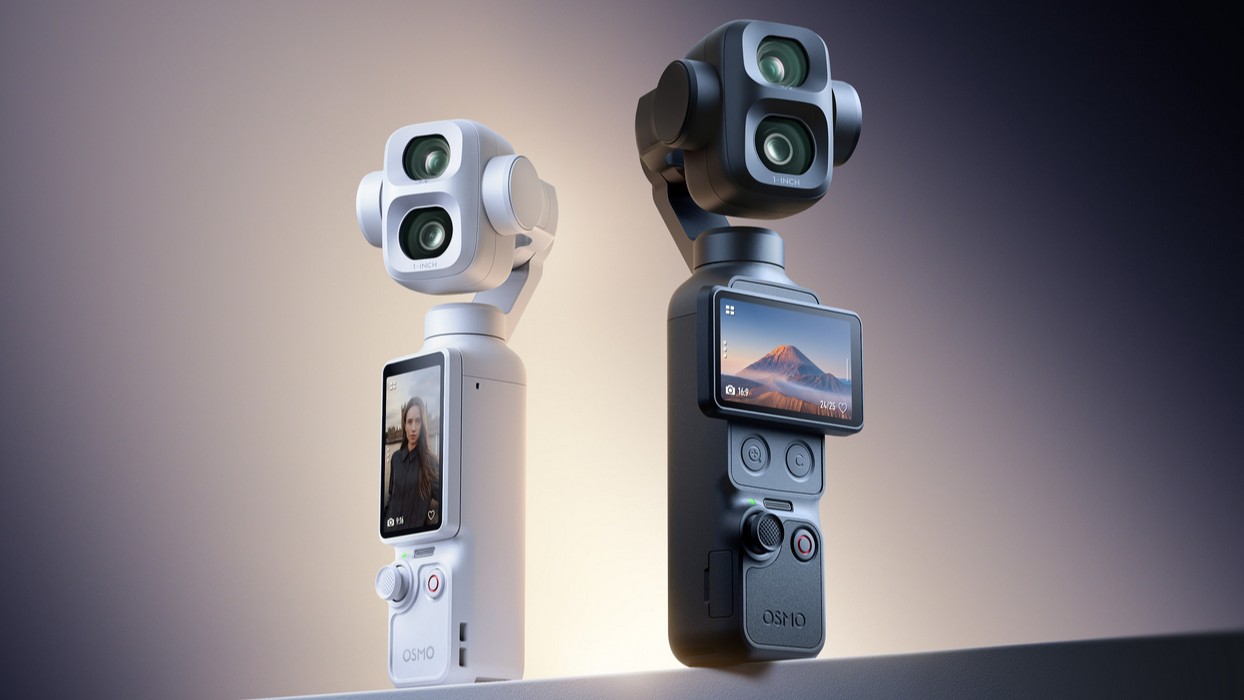
DJI finally releases the Osmo Pocket 4P, but it’s not landing in the US, for now
Affiliate links on Android Authority may earn us a commission. Learn more. DJI has officially announced the Osmo Pocket 4P in mainland China after months of rumors and teasers . And judging by the s…
Android Authority — 16 June 2026
Text:
33
0
0
Affiliate links on Android Authority may earn us a commission. Learn more. DJI has officially announced the Osmo Pocket 4P in mainland China after mo
Read Full Story at Android Authority →
⚡ Quickyla Analysis
Original editorial context — not sourced from the article above
The release of DJI’s Osmo Pocket 4P outside the U.S. marks another strategic pivot for the drone giant, one that underscores the growing fragmentation of the global consumer tech market along geopolitical lines. DJI’s decision to bypass the American market—even temporarily—isn’t just about regulatory hurdles; it reflects a calculated response to sustained pressure from U.S. authorities, who have systematically restricted DJI’s access to both hardware components and software tools critical to its products. This exclusion isn’t new; it’s the latest chapter in a years-long saga that began with export controls and escalated into outright bans for certain U.S. government agencies. For DJI, the Osmo Pocket 4P represents more than a new gimbal camera—it’s a test case for whether the company can thrive in markets where Western sanctions don’t apply, particularly in Asia and Europe, where demand for compact, high-quality imaging devices remains strong.
The timing of this launch also hints at broader shifts in DJI’s business model. The Osmo Pocket line has always catered to creators, journalists, and travelers seeking portable, professional-grade footage. But with the U.S. effectively cordoned off, DJI may be accelerating its pivot toward markets where it still enjoys relative freedom, especially as Chinese tech firms increasingly prioritize domestic innovation to offset global isolation. The absence of the 4P in the U.S. also raises questions about supply chain resilience. If DJI can no longer rely on American suppliers for key components, it may deepen its reliance on alternative manufacturing hubs, further decoupling its production ecosystem from Western dependencies.
What remains unclear is whether this exclusion is temporary or part of a longer-term strategy. If the 4P’s success in other regions proves substantial, DJI could permanently deprioritize the U.S. market—or even adapt future models to comply with evolving regulations. For consumers, this means a shrinking pool of cutting-edge DJI products stateside, while international buyers enjoy the latest innovations. The move also amplifies concerns about the global fragmentation of tech standards, where geopolitical tensions now dictate what devices reach which markets. As DJI navigates this landscape, its choices will ripple beyond its brand, shaping the future of portable imaging—and the broader battle for technological autonomy.
Sources

💻 Technology
You can now beat ChatGPT Codex rate limits, if you have friends

💻 Technology
Meta is reportedly developing an AI pendant

💻 Technology
Cash App made a magic wand for contactless payments

💻 Technology
Coders are refusing to work without AI — and that could come back to bite them

💻 Technology
Hackers hijacked Instagram accounts by tricking Meta AI support chatbot into granting access

💻 Technology
Asus gives the ROX Xbox Ally the OLED screen it deserves

