Archaeologists find 45,000-year-old tools in Sri Lanka cave
Archaeologists found 45,000-year-old stone tools and teeth in Sri Lanka’s Fa-Hien Lena cave, proving early Homo sapiens lived in rainforests far earlier than thought. This challenges the long-held bel
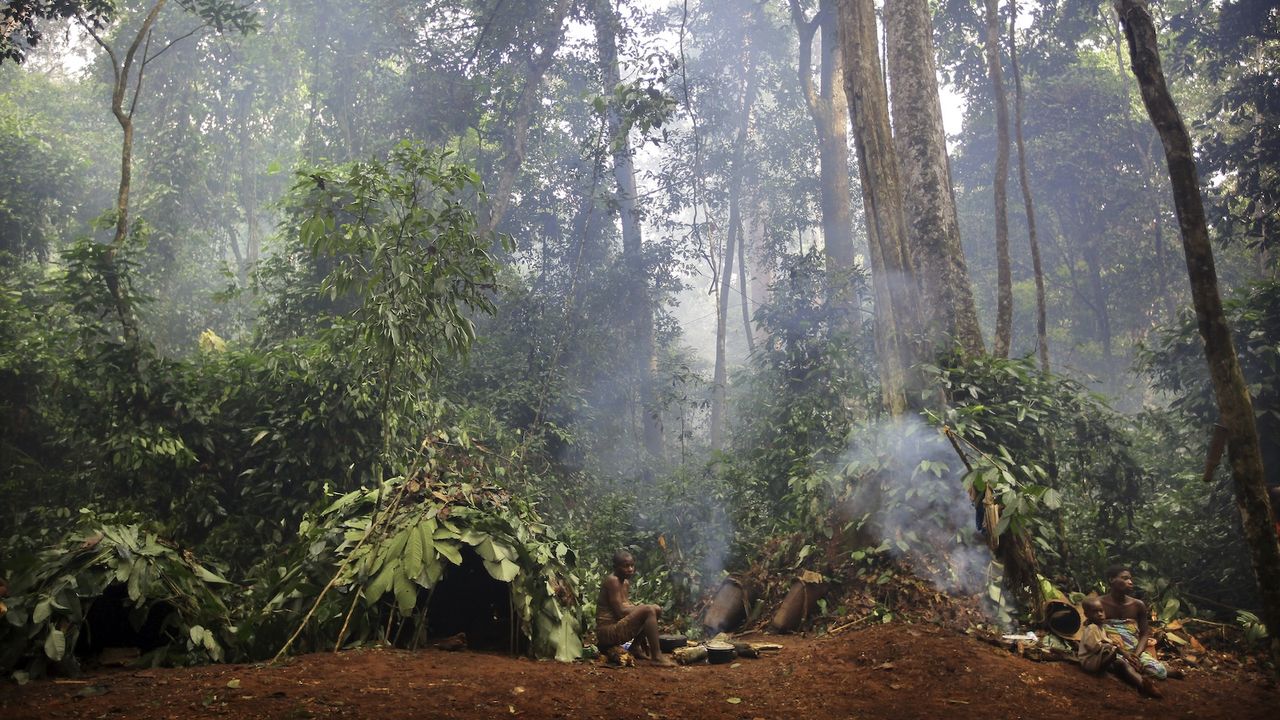
Early humans may have thrived in rainforests far earlier than thought, new archaeological evidence suggests, shaking up long-held theories about human
Read Full Story at Live Science →Why This Matters
This discovery reshapes the narrative of human evolution, demonstrating that our ancestors were not confined to savannas or coastal regions but thrived in dense rainforests—ecosystems once thought too challenging for early Homo sapiens. It forces a reconsideration of how our species adapted culturally and technologically, rewriting the timeline of our ecological dominance.
Background Context
For decades, paleoanthropologists have focused on open landscapes like the African savanna or Levantine woodlands as the cradle of early human innovation, largely because fossil and tool evidence were scarce in rainforest environments. The prevailing theory tied human cognitive and social advancements to the challenges of hunting large game or navigating unpredictable terrain, not the stability of lush, resource-rich jungles. Sri Lanka’s Fa-Hien Lena cave, with its stratified deposits, now disrupts this paradigm.
What Happens Next
Researchers will likely intensify excavations in other tropical regions, particularly Southeast Asia and the Congo Basin, to test whether rainforest adaptations were widespread or isolated innovations. The findings may also spur reevaluations of genetic studies, as rainforest survival could explain migration patterns that don’t align with traditional "out of Africa" models. Expect debates over whether tool technology was a response to environmental constraints or a driver of ecological flexibility.
Bigger Picture
The shift from viewing rainforests as barriers to human progress to potential engines of evolutionary innovation mirrors broader reassessments of marginalized ecosystems in anthropology. It underscores how cultural and technological advancements—like advanced microlithic tools or dietary flexibility—could have emerged in response to niche environments rather than a single linear progression. This could recalibrate our understanding of other "peripheral" regions, from Arctic tundras to island chains, as crucibles of human ingenuity.







