EasyJet says possible takeover bid 'opportunistic'
Budget airline EasyJet has branded a possible takeover approach from a US firm as "highly opportunistic". The investment fund Castlelake revealed late on Friday that it was in the early stages of co…
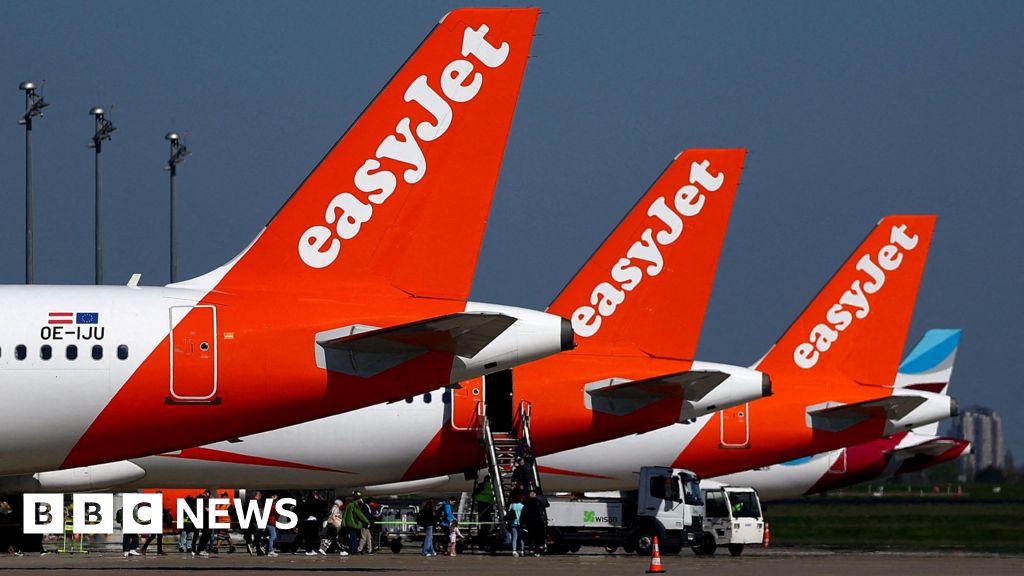
Budget airline EasyJet has branded a possible takeover approach from a US firm as "highly opportunistic". The investment fund Castlelake revealed lat
Read Full Story at BBC Business →Why This Matters
EasyJet’s rejection of a potential US-based takeover bid underscores the growing vulnerability of Europe’s legacy airlines to opportunistic foreign investors amid shifting market dynamics. The episode highlights how private equity firms are increasingly targeting cash-rich yet undervalued European assets, particularly in sectors facing structural challenges like aviation. For policy makers and industry stakeholders, this raises questions about protecting strategic assets while balancing open-market principles.
Background Context
EasyJet, once a high-flying disruptor in European aviation, has faced mounting pressure from rising fuel costs, labor disputes, and post-pandemic demand volatility. The airline’s leadership has prided itself on operational resilience, but its stock price has lagged behind peers like Ryanair, making it a logical target for firms seeking undervalued assets. Meanwhile, US investment funds like Castlelake have expanded aggressively into global aviation, leveraging cheap debt and long-term bets on travel demand recovery.
What Happens Next
The next phase will likely hinge on whether Castlelake escalates its approach or pivots to a different strategy, such as a partial stake or board representation. EasyJet’s board may explore defensive measures, including share buybacks or strategic partnerships, to deter further advances. Investors will closely watch for any regulatory hurdles, particularly from EU competition authorities wary of foreign control over critical infrastructure.
Bigger Picture
This episode reflects a broader trend of private equity firms exploiting gaps between undervaluation and growth potential in mature industries. As Europe’s aviation sector grapples with decarbonization mandates and geopolitical risks, such bids could accelerate consolidation or force incumbents into costly restructuring. The outcome may set a precedent for how other European firms navigate the fine line between market openness and strategic protection.