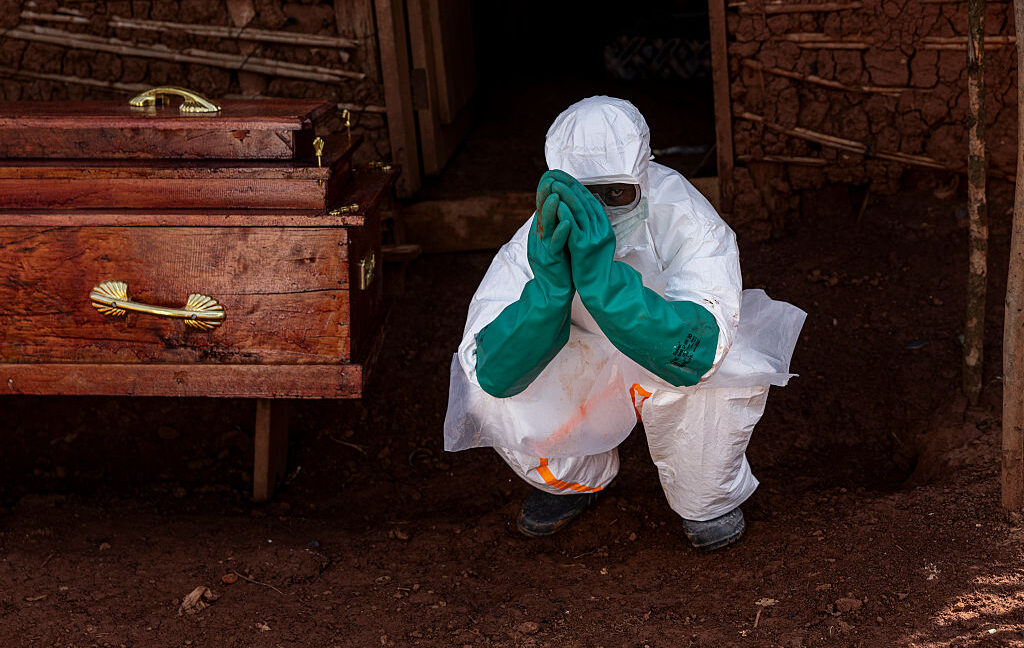
Ebola spread in DR Congo 'deeply alarming', MSF warns
Ebola cases in eastern DRC exceed 1,000 with 246 deaths, spreading faster than response efforts, per MSF. WHO cites conflict and unsafe funeral practices as major obstacles, with nine Ugandan cases r…
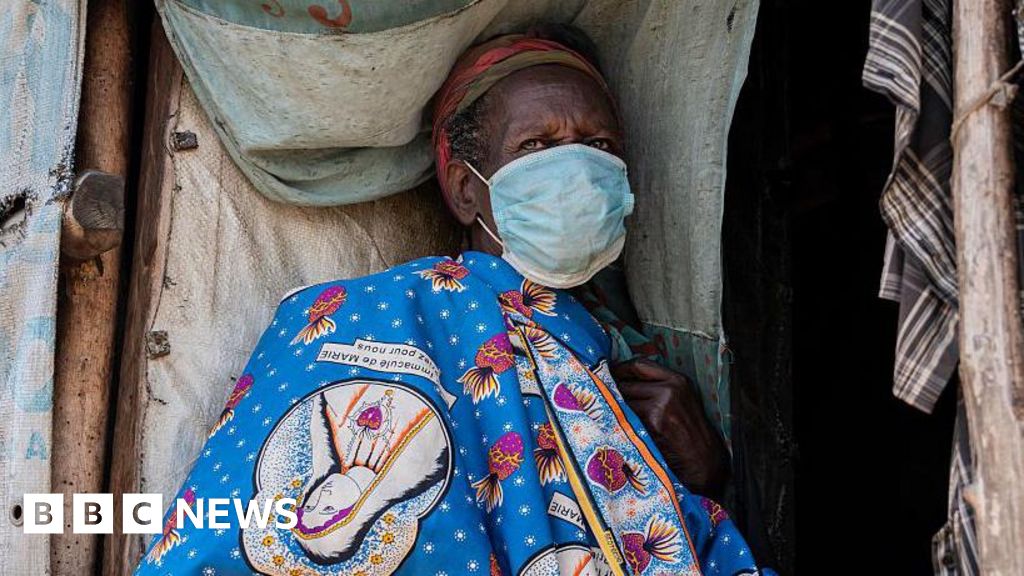
The rapid spread of Ebola in the eastern Democratic Republic of Congo (DRC) has been described as "deeply alarming" by Médecins Sans Frontières (MSF),
Read Full Story at BBC World News →Why This Matters
The resurgence of Ebola in eastern Democratic Republic of Congo (DRC) is not just a regional health crisis—it is a litmus test for global epidemic preparedness in conflict zones. As cases surpass 1,000 with a mortality rate exceeding 20%, the outbreak exposes systemic failures in coordinating medical aid with humanitarian access in war-torn areas, where distrust in institutions and violent extremism complicate containment.
Background Context
Eastern DRC has battled Ebola since 2018, but this wave is uniquely perilous due to its rapid escalation amid sustained armed conflict and porous borders. The region’s long-standing distrust of government and foreign aid workers—fueled by decades of instability—has hindered contact tracing, while funeral rites remain a high-risk transmission vector. Uganda’s recent cases underscore how porous borders can turn localized outbreaks into international threats.
What Happens Next
The coming weeks will reveal whether the response can outpace the virus’s spread, especially as rebel activity in hotspots like Beni and Butembo intensifies. If community resistance persists or cross-border transmission to Rwanda or Burundi accelerates, the WHO may declare the outbreak a Public Health Emergency of International Concern—a designation not yet triggered despite the alarming trajectory.
Bigger Picture
This outbreak is part of a disturbing pattern of Ebola resurgences in fragile states, where climate change, urbanization, and weak governance create ideal conditions for pathogens to thrive. It also raises urgent questions about the sustainability of emergency medical interventions in conflict zones, where the absence of peace often trumps the presence of vaccines.