Egypt's delicate balancing act in the Iran war
The conflict between the US , Israel and Iran has pushed regional heavyweight Egypt into a diplomatic and strategic dilemma. Egypt is not only a close ally of the US and Gulf states — it is a signat…
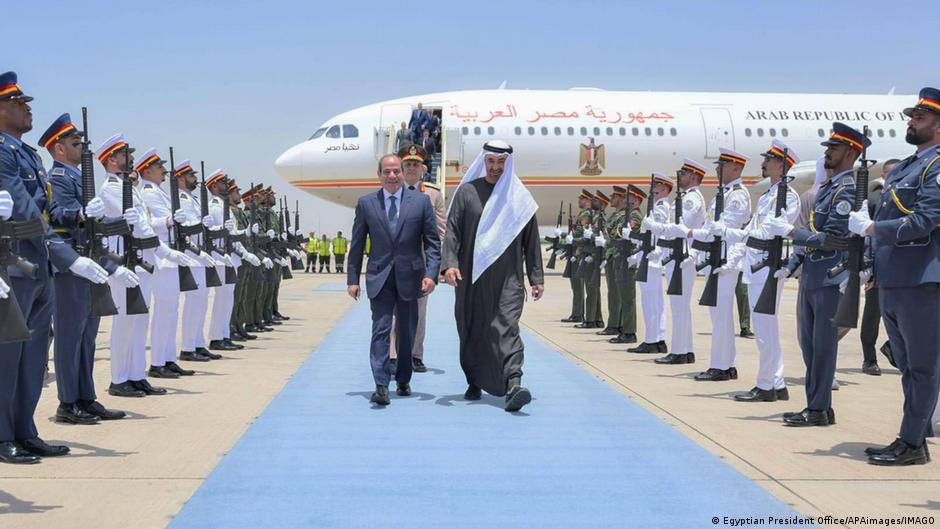
The conflict between the US , Israel and Iran has pushed regional heavyweight Egypt into a diplomatic and strategic dilemma. Egypt is not only a clos
Read Full Story at DW World →Why This Matters
Egypt's positioning in the escalating tensions between Iran, Israel, and the U.S. is not just a regional concern—it could reshape the geopolitical fault lines of the Middle East. As a historical mediator in Arab-Israeli conflicts, Cairo’s choices now will determine whether it remains a stabilizing force or becomes a reluctant participant in a wider conflagration. The stakes are particularly high for Cairo, which faces pressure from all sides while navigating its own domestic and economic vulnerabilities.
Background Context
Egypt’s relationship with Iran has been fraught since the 1979 Islamic Revolution, marked by ideological hostility and intermittent diplomatic ruptures. Yet Cairo has long maintained cautious engagement with Tehran, particularly through its role in mediating Gaza-related ceasefires—a leverage point that could either isolate Egypt further or provide it with critical diplomatic capital. The Gulf states, meanwhile, have increasingly viewed Cairo as a counterbalance to Iran’s regional ambitions, embedding Egypt deeper into their security frameworks.
What Happens Next
If the conflict escalates, Egypt may be forced to either facilitate indirect talks or risk being sidelined by regional actors taking more assertive stances. The country’s energy shortages and economic fragility could also constrain its ability to play a proactive role, while domestic pressure to reject U.S. or Israeli demands may limit Cairo’s flexibility. Watch for signals in Egypt’s security rhetoric and its willingness to host or mediate high-stakes negotiations.
Bigger Picture
Cairo’s dilemma reflects a broader trend of middle powers—caught between great-power conflicts—struggling to reconcile strategic alliances with domestic and regional expectations. The outcome could influence how other Arab states navigate the shifting sands of Middle Eastern power dynamics, particularly as Iran’s influence grows and U.S. engagement becomes more transactional. Egypt’s response may set a precedent for whether diplomacy can still prevail in an era of brinkmanship.





