Astronomers detect black hole shredding white dwarf
Astronomers likely detected the first instance of an intermediate-mass black hole shredding a white dwarf, confirming these black holes' existence and role in cosmic evolution. This discovery helps ex
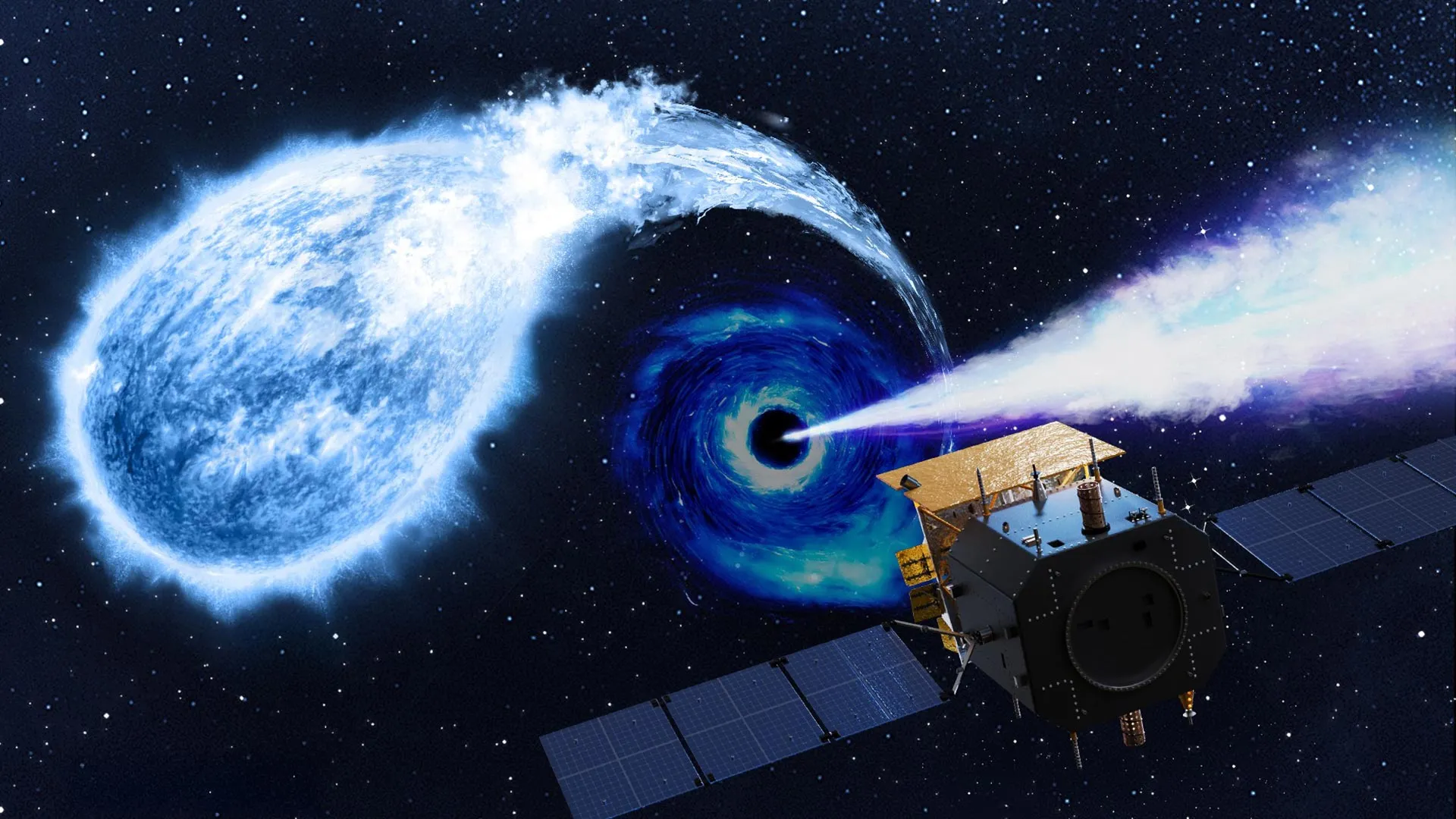
Astronomers using the Einstein Probe space telescope think they may have caught a black hole shredding a dead star for the first time. The rare event,
Read Full Story at ScienceDaily →Why This Matters
The detection of an intermediate-mass black hole shredding a white dwarf isn't just a cosmic curiosity—it provides direct evidence for a long-hypothesized but elusive class of black holes. These objects, bridging the gap between stellar remnants and supermassive giants, may hold the key to understanding how galaxies evolve and how heavy elements forged in stellar deaths are distributed across the universe.
Background Context
Intermediate-mass black holes (IMBHs) have been a theoretical solution to puzzles like the origin of supermassive black holes, yet their rarity and faint signatures made them nearly impossible to observe before modern X-ray telescopes. White dwarfs, the dense remnants of Sun-like stars, offer a unique target for such violent encounters due to their compact nature and the extreme tidal forces they endure when straying too close to a black hole.
What Happens Next
Follow-up observations with telescopes like the Einstein Probe, James Webb Space Telescope, and upcoming gravitational wave detectors may reveal more tidal disruption events (TDEs) involving IMBHs, refining our understanding of their distribution. If confirmed, this discovery could accelerate efforts to model the life cycles of galaxies, particularly in less-studied regions where these black holes might lurk.
Bigger Picture
This finding aligns with a growing trend in astrophysics: the recognition that intermediate-mass black holes are not rare oddities but active participants in cosmic evolution. As detection methods improve, they may emerge as critical links between stellar-scale phenomena and the behemoths at galactic centers, reshaping our narrative of how the universe's most extreme structures form and interact.







