📈 Markets & Finance
Live
Elon Musk Loses Again to OpenAI as Judge Dismisses xAI Trade Secret Lawsuit
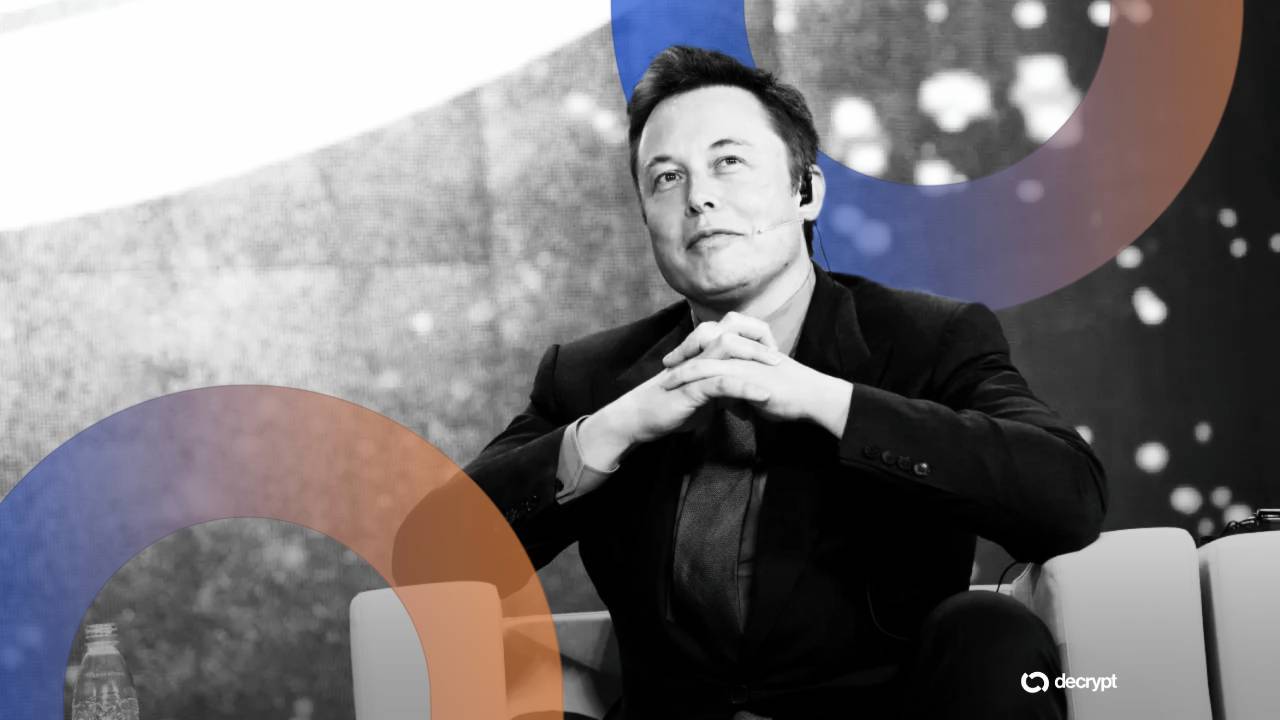
A federal judge handed Elon Musk his second defeat against OpenAI after finding xAI failed to show OpenAI improperly obtained confidential info.
Decrypt — 15 June 2026
Text:
24
0
0
A federal judge handed Elon Musk his second defeat against OpenAI after finding xAI failed to show OpenAI improperly obtained confidential info. This
Read Full Story at Decrypt →
⚡ Quickyla Analysis
Original editorial context — not sourced from the article above
Elon Musk’s latest legal setback against OpenAI is more than just another courtroom defeat—it underscores a growing tension between corporate ambition and ethical accountability in the AI industry. This ruling, the second in Musk’s string of lawsuits against the nonprofit startup, reinforces the idea that even billionaire-backed ventures cannot easily sidestep legal scrutiny when alleging misconduct. At its core, the case reflects broader questions about how proprietary technology intersects with open-source principles, a debate that has roiled Silicon Valley for years. OpenAI’s trajectory from an open research lab to a closed-source powerhouse has made it a lightning rod for criticism, and Musk’s legal crusade—coupled with this dismissal—further entrenches that divide.
What makes this ruling particularly noteworthy is the judge’s skepticism toward xAI’s claims of trade secret theft. While Musk has framed OpenAI as a hypocritical turncoat for abandoning its founding mission, the court’s decision suggests that such allegations require concrete evidence, not just dramatic accusations. The case also arrives at a pivotal moment for AI governance, as regulators and courts scramble to define the boundaries of intellectual property in a field where innovation moves faster than legislation. OpenAI’s rapid commercialization of its models has already sparked antitrust concerns, and this ruling could embolden other AI firms to push back against aggressive legal tactics meant to stifle competition.
Yet the story is far from over. Musk has a history of pursuing protracted legal battles, and his persistence could yet yield a different outcome in another venue. Open questions linger about the long-term viability of OpenAI’s governance model, especially as its boardroom drama and partnership with Microsoft continue to draw scrutiny. Meanwhile, the AI industry itself is hurtling toward greater consolidation, with a handful of players dominating access to cutting-edge models. In this landscape, legal victories like this one may do little to address the deeper structural imbalances shaping who controls—and profits from—the future of artificial intelligence. The real battle may not be in the courtroom but in the court of public opinion, where the next chapter of AI’s evolution will be written.
Sources
📈 Markets & Finance
Sam Altman says OpenAI's top token spender uses 100 billion tokens a month — and they're not even the world leader

📈 Markets & Finance
Intel, AMD, Micron shares sink as Broadcom results spark semiconductor sector sell-off

📈 Markets & Finance
This Smart‑Money Legend Won Big on Intel. The Rest of His Portfolio Might Be Even More Revealing
📈 Markets & Finance
A new NJ bill would hand pet owners up to $900 in tax credits — and your state could be next

📈 Markets & Finance
MGM Resorts stock jumps as Barry Diller's People Inc. makes bid to take over the company
📈 Markets & Finance
Addressing Investor Transparency, Updates from Euronet Worldwide’s (EEFT) First Analyst Day in a Decade


