🌱 Environment
Live
Emergency Drawdown at Flaming Gorge Hits Its Recreation Economy
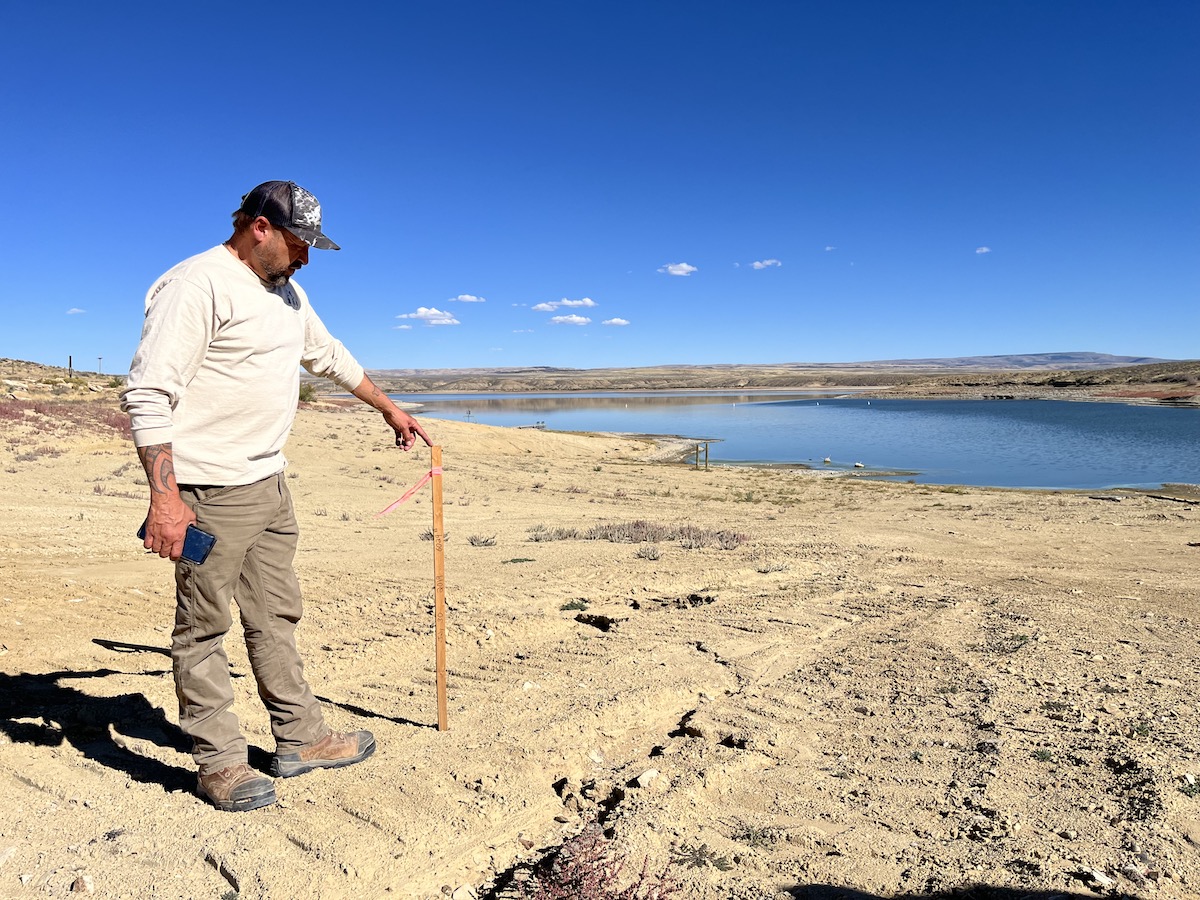
As campers with boats flocked to Buckboard Marina at the start of Memorial Day weekend, Tony Valdez was busy issuing refunds and repairing broken boat ramps. One older Green River man, who walked wit…
Inside Climate News — 16 June 2026
Text:
25
0
0
As campers with boats flocked to Buckboard Marina at the start of Memorial Day weekend, Tony Valdez was busy issuing refunds and repairing broken boat
Read Full Story at Inside Climate News →
⚡ Quickyla Analysis
Original editorial context — not sourced from the article above
The emergency drawdown at Flaming Gorge Reservoir, now in its second year, is more than a logistical challenge—it’s a stress test for the region’s recreation-driven economy, exposing vulnerabilities in a sector that thrives on stability. The reservoir, a linchpin for tourism in northeastern Utah and southwestern Wyoming, has seen water levels drop precipitously due to prolonged drought and upstream water demands, forcing operators like Buckboard Marina to scramble for solutions. For communities where seasonal income hinges on summer boaters and anglers, the ripple effects are immediate: refunds issued, broken infrastructure repaired, and visitors turned away—all while the broader public remains largely unaware of how deeply interconnected these issues are with climate resilience and water policy.
What’s less visible to outsiders is the delicate balance maintaining Flaming Gorge’s appeal. The reservoir’s drawdown isn’t just about receding shorelines; it’s about the slow erosion of trust in the region’s ability to deliver a consistent experience. Campers and boaters, many of whom plan trips years in advance, are now confronting uncertainty—a shift that could deter future visits even after the water returns. Meanwhile, local businesses that rely on discretionary spending, from bait shops to restaurants, face a domino effect: fewer customers means lower revenues, which in turn can lead to service cuts or closures, further destabilizing the economy.
The bigger question is whether this crisis will accelerate broader changes in how the West manages its water. Flaming Gorge, like many reservoirs, was built for a climate that no longer exists. As droughts intensify and competing demands grow—from agriculture to hydropower to endangered species—will policymakers prioritize recreation as a legitimate economic and ecological need? Or will the reservoir’s struggles become another cautionary tale about the limits of adaptation without systemic investment?
For now, the immediate challenge is clear: how to keep the economy afloat while the water recedes. But the deeper reckoning may lie in whether this moment forces a reevaluation of how the West values its natural resources—and who gets to decide their future.
Sources

🌱 Environment
Erin Brockovich criticizes Microsoft data center secrecy in Utah

🌱 Environment
Rescues in eastern Syria after the Euphrates River bursts its banks
🌱 Environment
Trump’s EPA Unlawfully Cancelled Environmental Justice Grants, Judge Rules

🌱 Environment
Indonesians mark 20 years since mud volcano eruption swallowed up entire communities in East Java

🌱 Environment
Biden’s Clean Drinking Water Plan Is Being Rebranded as MAHA

🌱 Environment
Heat is Killing Wildlife Across the Animal Kingdom. A New Forecasting Tool May Help

