Environmental Defenders Remain Among World’s Most Targeted Activists
Environmental and Indigenous rights defenders remained among the world’s most targeted human rights advocates in 2025, despite landmark rulings by international courts affirming governments’ obligatio
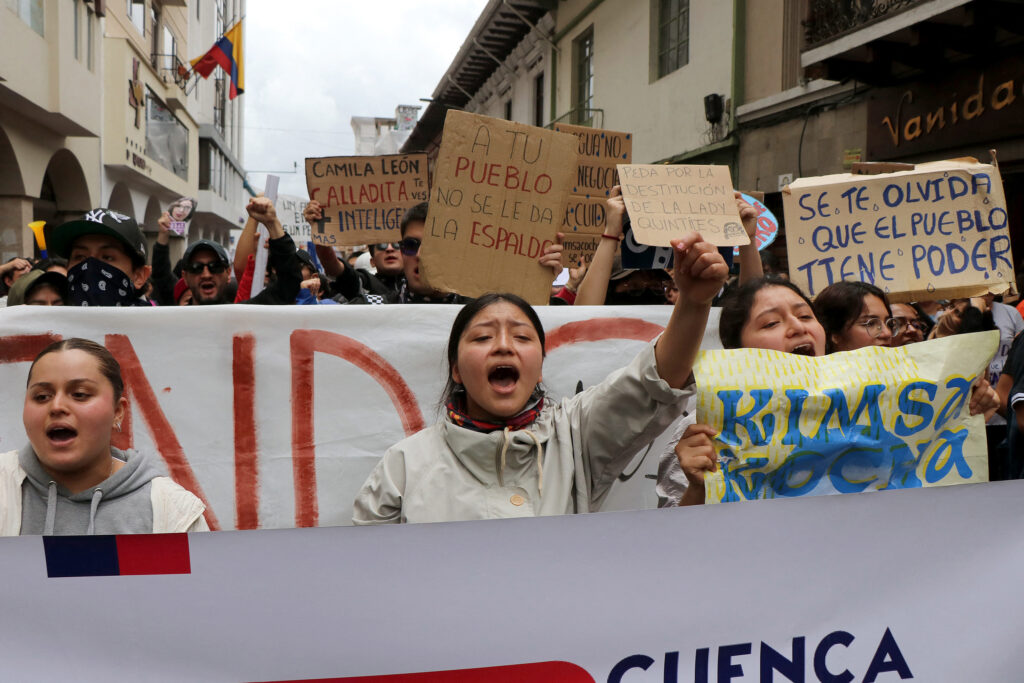
Environmental and Indigenous rights defenders remained among the world’s most targeted human rights advocates in 2025, despite landmark rulings by int
Read Full Story at Inside Climate News →Why This Matters
The targeting of environmental and Indigenous defenders isn’t just an isolated human rights issue—it’s a global litmus test for whether international legal victories can translate into real-world protection. As ecosystems collapse and extractive industries expand, these activists are often the first line of defense against irreversible damage, making their persecution a barometer of systemic vulnerabilities in governance and enforcement.
Background Context
Since the 2015 Paris Agreement, governments and corporations have increasingly framed environmental protections as economic liabilities, creating a perverse incentive to silence those who expose the costs of unchecked exploitation. Meanwhile, Indigenous communities—who steward 80% of biodiversity—have faced decades of criminalization under laws framed as 'anti-terrorism,' a tactic that conveniently sidesteps the inconvenience of their land tenure rights.
What Happens Next
With landmark rulings like the 2025 Inter-American Court’s decision affirming state obligations to protect defenders, the pressure will intensify on signatory nations to either align their domestic laws with these precedents or risk escalating international censure. The critical question is whether these legal milestones will embolden defenders to push for systemic reforms—or force them into further underground resistance as state repression intensifies.
Bigger Picture
The persecution of environmental defenders mirrors a broader authoritarian turn in resource governance, where the criminalization of dissent is outsourced to paramilitary groups and corporate mercenaries to avoid direct accountability. This trend reveals a fundamental paradox: as climate catastrophes accelerate, the very people best positioned to mitigate them are being systematically silenced, deepening the crises they seek to avert.