💻 Technology
Live
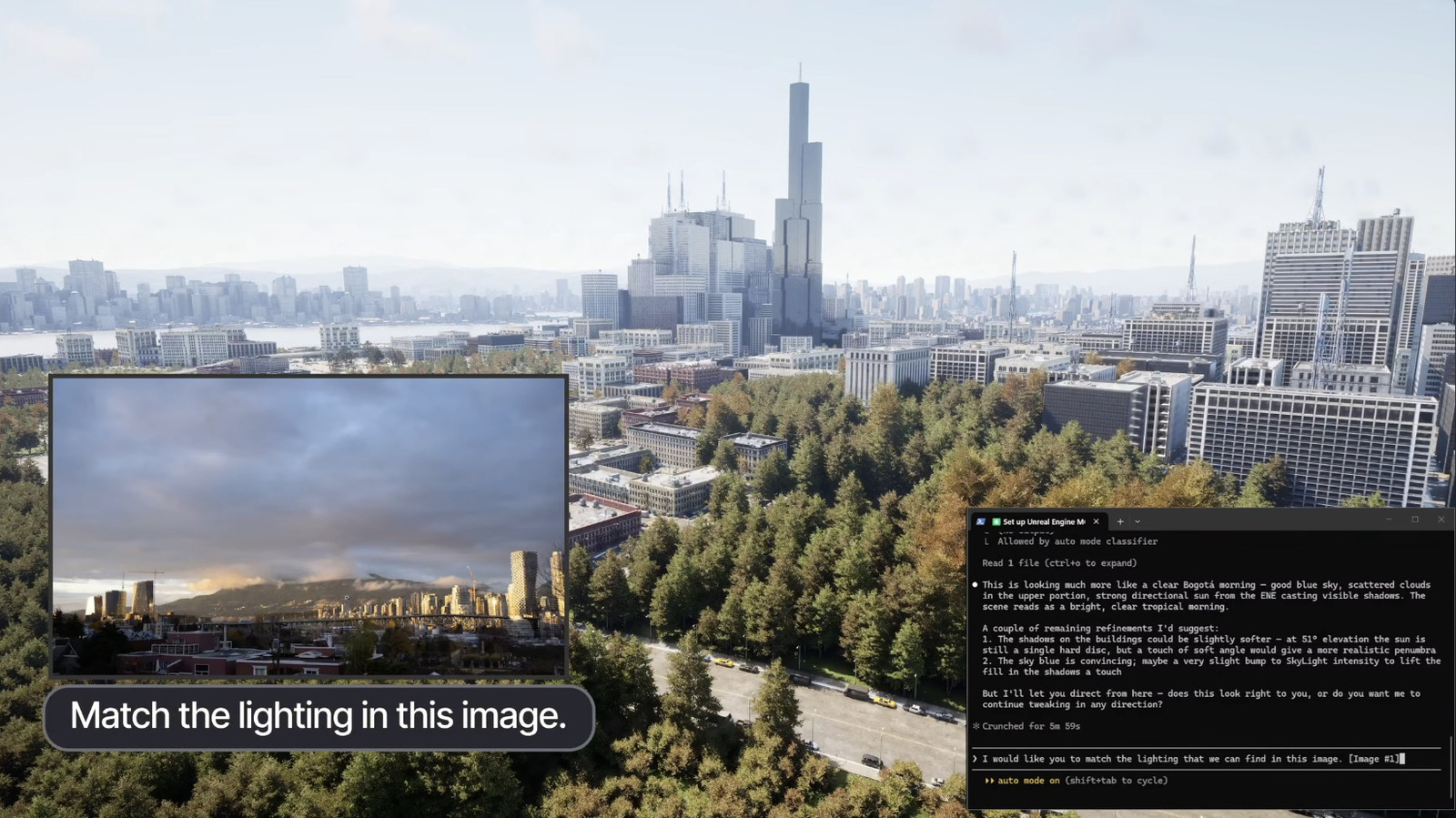
Epic Games details how it's embracing generative AI in Unreal Engine
Just over half of game developers think gen AI is bad for the industry, according to a report published earlier this year. During The State of Unreal keynote at Unreal Fest on Wednesday, Epic Games …
Engadget — 17 June 2026
Text:
18
0
0
Just over half of game developers think gen AI is bad for the industry, according to a report published earlier this year. During The State of Unreal
Read Full Story at Engadget →
⚡ Quickyla Analysis
Original editorial context — not sourced from the article above
Epic Games’ embrace of generative AI in Unreal Engine marks a pivotal moment not just for game development, but for the broader creative industries grappling with automation. The announcement arrives amid a stark divide in developer sentiment, with surveys suggesting skepticism about AI’s long-term impact—particularly fears that generative tools could deskill labor or erode artistic integrity. Yet Epic’s push suggests a strategic gamble: that AI isn’t a threat to creativity but a force multiplier, capable of accelerating workflows without sacrificing quality. This distinction matters because it frames AI not as a replacement for human ingenuity, but as a tool that could redefine what’s possible in real-time 3D content creation.
The broader significance lies in Unreal Engine’s dominance across industries beyond gaming, from film and architecture to automotive design. By integrating generative AI—whether for asset creation, animation, or lighting—Epic isn’t just serving game developers; it’s positioning itself as a backbone for the metaverse and virtual production ecosystems. This aligns with a growing trend where AI tools are becoming table stakes for competitive software, much like physics engines or ray tracing once were. The challenge, however, will be in proving that these tools enhance rather than dilute human craftsmanship, especially as studios face pressure to deliver richer experiences faster.
What remains unclear is how this will influence the labor market for artists and designers. Will AI-driven automation lead to more entry-level roles, or will it concentrate creative control in fewer hands? The answer may hinge on whether Epic’s tools remain optional or become industry standards, effectively making proficiency in generative AI a prerequisite for employment. Additionally, the ethical dimensions—such as bias in training data or the ownership of AI-generated assets—are still unresolved, posing risks for litigation and reputational damage.
For now, Epic’s strategy underscores a broader industry shift: the question is no longer *if* AI will transform creative work, but how quickly developers can adapt to wield it meaningfully. The next phase will reveal whether generative AI becomes a democratizing force—or one that further centralizes creative power in the hands of a few tech giants.
Verified Source
Sources

💻 Technology
You can now beat ChatGPT Codex rate limits, if you have friends

💻 Technology
Meta is reportedly developing an AI pendant

💻 Technology
Cash App made a magic wand for contactless payments

💻 Technology
Coders are refusing to work without AI — and that could come back to bite them

💻 Technology
Hackers hijacked Instagram accounts by tricking Meta AI support chatbot into granting access

💻 Technology
Asus gives the ROX Xbox Ally the OLED screen it deserves

