🔬 Science
Live
Estrogen levels in both the male and female brain may shape memory's resilience in face of stress
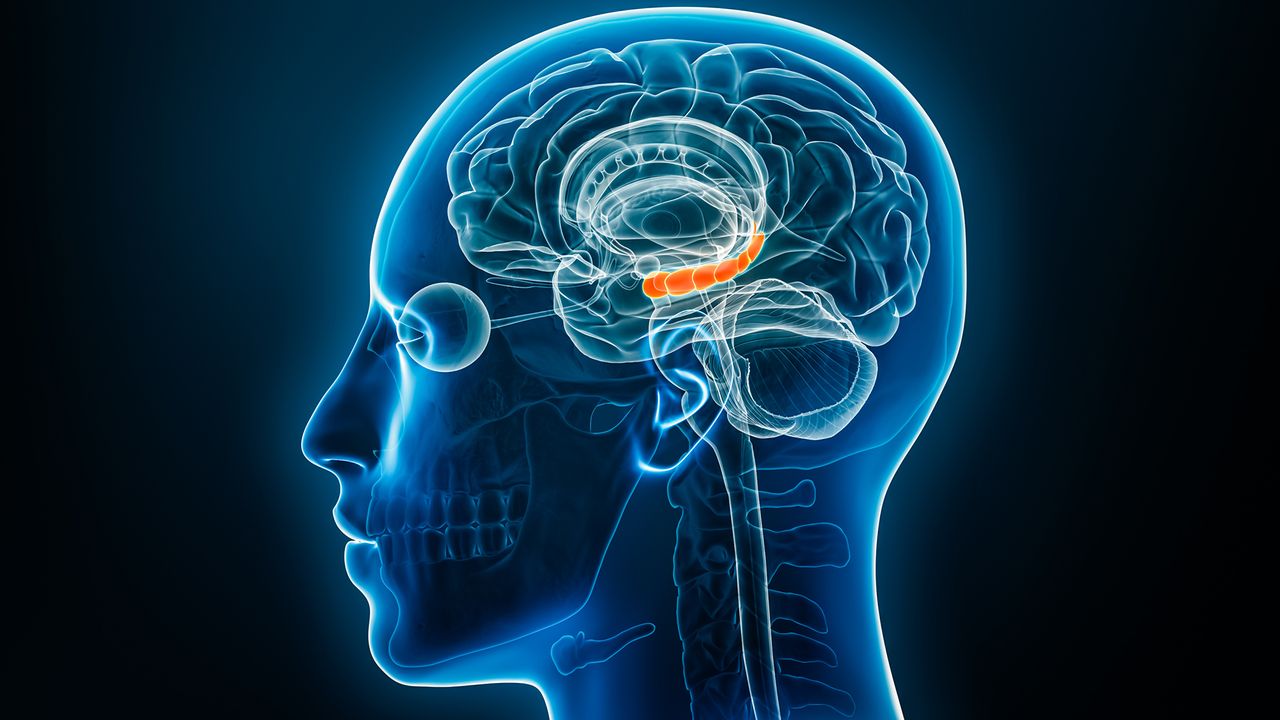
Traumatic experiences can cause memory problems, and estrogen may be a key factor that shapes the brain's resilience against such stressors, a mouse study finds.
Live Science — 19 June 2026
Text:
18
0
0
Traumatic experiences can cause memory problems, and estrogen may be a key factor that shapes the brain's resilience against such stressors, a mouse s
Read Full Story at Live Science →
⚡ Quickyla Analysis
Original editorial context — not sourced from the article above
The link between estrogen and cognitive resilience under stress is more than an academic curiosity—it challenges long-standing assumptions about memory, gender, and neuroplasticity. While much of the public discourse around stress and memory focuses on cortisol or trauma itself, this study suggests that estrogen’s role in the brain may be equally critical, particularly in how it modulates synaptic plasticity during and after stress. Historically, research on stress-related memory impairment has disproportionately centered on male subjects, leaving a significant gap in understanding how hormonal fluctuations—especially in women—shape cognitive outcomes. This imbalance is now being redressed, revealing that estrogen isn’t just a reproductive hormone but a neuromodulator with profound effects on memory formation and retrieval under duress.
The broader significance of these findings extends beyond neuroscience. If estrogen helps buffer the brain against stress-induced memory deficits, it could explain why women and individuals with higher estrogen levels sometimes exhibit different cognitive responses to trauma compared to men. This has implications for mental health treatment, particularly in conditions like PTSD, where memory distortions are a core symptom. Yet the mechanisms remain unclear—does estrogen directly protect synapses, or does it interact with other stress-response pathways? The mouse model provides a starting point, but human studies will be essential to determine whether these findings translate across species, especially given the complexity of estrogen receptors in the human brain.
What comes next is a critical phase of validation and inquiry. Researchers will likely probe whether estrogen-based interventions—such as hormonal therapies or selective estrogen receptor modulators—could mitigate memory decline in stress-related disorders. But this also raises ethical questions: if estrogen’s cognitive benefits become a target for treatment, how do we balance potential improvements with the risks of hormonal manipulation? The study’s focus on both male and female brains hints at a broader truth—that neurobiology isn’t neatly divided by sex, and that hormonal influences on cognition are far more nuanced than previously thought. As science continues to untangle these connections, the conversation around stress, memory, and gender may need to evolve alongside it.
Sources

🔬 Science
'Astonishing': James Webb telescope spots the most chemically primitive galaxy in the ancient universe

🔬 Science
El Niño Is Underway

🔬 Science
Astronomers gaze into the 'Crystal Ball Nebula' and see a vision of our dying sun — Space photo of the week

🔬 Science
Bacteria uncover distinct strategy to import rare sugar polymers, crystal structures show

🔬 Science
NASA Awards Contract for Johnson Space Center Infrastructure

🔬 Science
Repairing DNA damage: Scientists discover a surprising new benefit of melatonin

