Ethiopia: An election without a real challenge?
The recently held parliamentary election in Ethiopia has been described as "generally peaceful," despite the exclusion of parts of the country due to insecurity. Ethiopia is Africa's second-most pop…
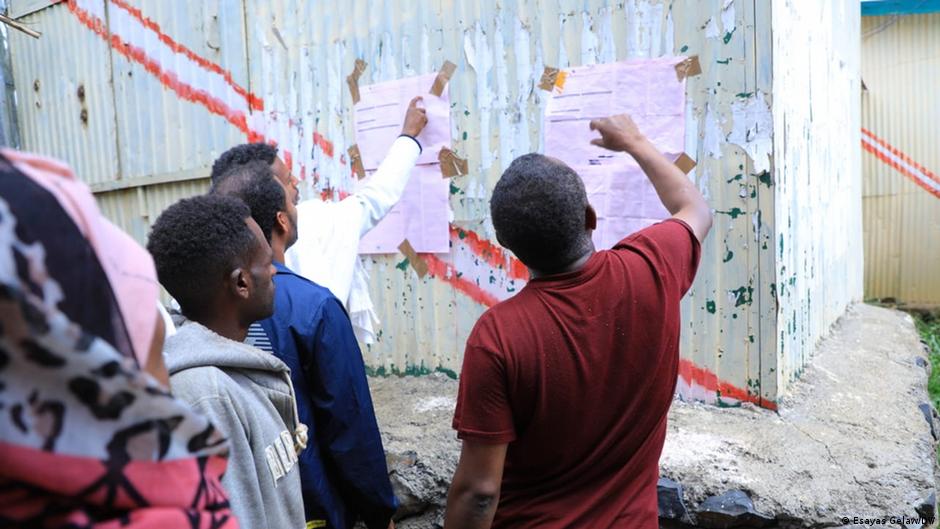
The recently held parliamentary election in Ethiopia has been described as "generally peaceful," despite the exclusion of parts of the country due to
Read Full Story at DW World →Why This Matters
The election underscores Ethiopia’s fragile democratic experiment amid deep ethnic divisions and lingering conflicts, raising questions about whether the process can ever be truly inclusive while ongoing instability excludes significant regions from participation.
Background Context
Ethiopia’s federal system, designed to accommodate its diverse ethnic makeup, has struggled to balance regional autonomy with national cohesion, particularly since the 2018 political transition that initially raised hopes for reform but later gave way to renewed violence in Tigray and other regions.
What Happens Next
The outcome is likely to reinforce the dominance of Prime Minister Abiy Ahmed’s Prosperity Party, but the lack of credible opposition risks entrenching perceptions of one-party rule, potentially fueling further discontent in marginalized areas where polls were not held.
Bigger Picture
This election fits a broader pattern across the Horn of Africa, where electoral processes often serve as legitimacy theater rather than genuine democratic contests, as governments prioritize stability over pluralism in fragile states facing insurgencies and governance crises.





