Ethiopia election 2026: Tigray excluded and on edge
There is not a single delegate in Ethiopia's outgoing lower house of parliament, known as the House of Peoples' Representatives, nor in the upper house — the House of Federation — currently represent…
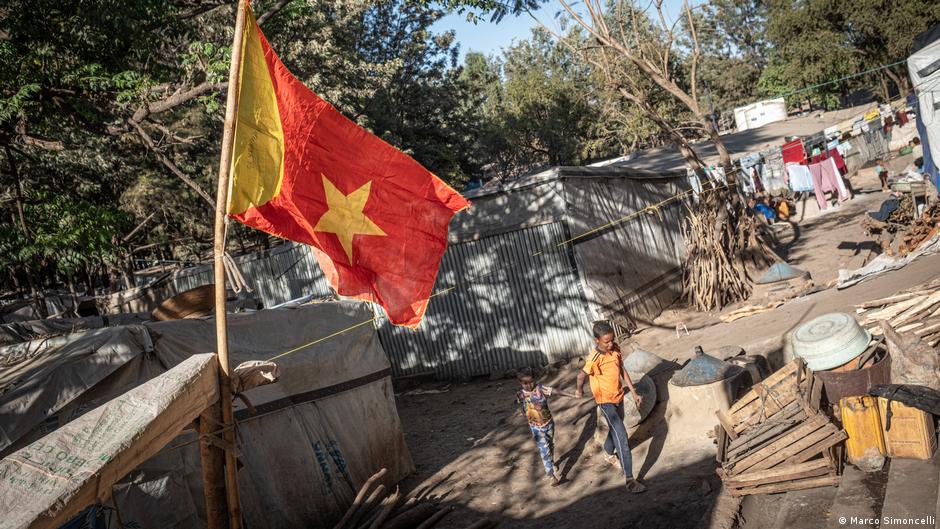
There is not a single delegate in Ethiopia's outgoing lower house of parliament, known as the House of Peoples' Representatives, nor in the upper hous
Read Full Story at DW World →Why This Matters
The exclusion of Tigray from Ethiopia’s 2026 electoral process represents a critical fracture in the country’s fragile post-conflict transition, where political representation is increasingly tied to territorial control. Without meaningful participation from the region, the election risks deepening ethnic grievances and undermining the federal government’s already fragile legitimacy in the eyes of Tigrayans and other marginalized groups.
Background Context
Tigray’s absence from national representation stems from a two-year civil war that left the region devastated and its political leadership sidelined by Addis Ababa. The conflict, which ended in a Pretoria peace deal, promised a return to normalcy, but the exclusion of Tigray’s dominant party, the TPLF, from political processes suggests a deliberate strategy to marginalize the region’s interests rather than integrate them.
What Happens Next
If Tigray remains excluded, the 2026 election could trigger renewed tensions or even localized boycotts, further destabilizing a country already grappling with multiple insurgencies. Meanwhile, the federal government may face international scrutiny over its commitment to inclusive governance, particularly if regional bodies like the African Union weigh in on the fairness of the electoral framework.
Bigger Picture
Ethiopia’s electoral exclusion of Tigray reflects a broader pattern across post-conflict states where power-sharing agreements collapse under the weight of centralized control. As Ethiopia’s federal experiment frays, the 2026 vote may serve as a test case for whether multi-ethnic democracies can survive when key regions are systematically sidelined.






