Ethiopia's ruling party wins overwhelming majority in parliament
Ethiopian Prime Minister Abiy Ahmed's Prosperity Party has secured a landslide majority, according to election results released Sunday by the National Elections Board (NEBE), . "The ruling Prosperity
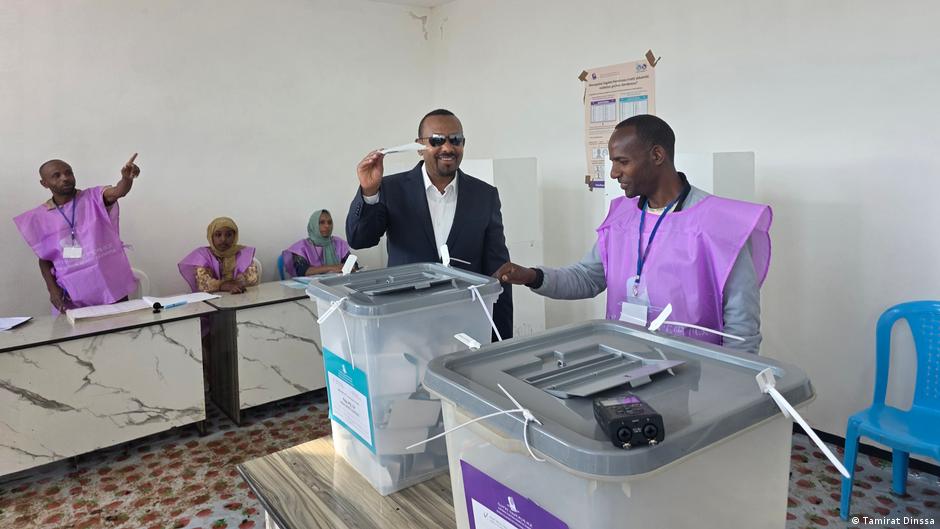
Ethiopian Prime Minister Abiy Ahmed's Prosperity Party has secured a landslide majority, according to election results released Sunday by the National
Read Full Story at DW World →Why This Matters
The outcome cements Abiy Ahmed’s grip on power amid ongoing regional instability, signaling renewed confidence in his reform agenda but also raising questions about the depth of Ethiopia’s democratic transition. With opposition forces fragmented and international observers heavily restricted, the election results underscore the ruling party’s dominance while testing the limits of political pluralism in Africa’s second-most populous nation.
Background Context
Abiy’s Prosperity Party emerged from the 2018 merger of the ruling coalition, which followed years of ethnic-based federalism that often stifled national cohesion. The 2020 elections were postponed due to conflict in Tigray, where a brutal war between federal forces and the TPLF left thousands dead and millions displaced, reshaping the political landscape before this vote.
What Happens Next
The two-thirds majority grants Abiy unchecked legislative power to push through economic reforms, but the lack of robust opposition risks eroding checks and balances at a time when Ethiopia faces severe debt crises and ethnic tensions. Observers will scrutinize whether the government pivots toward reconciliation in Tigray and Oromia or doubles down on centralized control to maintain stability.
Bigger Picture
The result reflects a broader trend of electoral dominance by ruling parties across the Horn of Africa, where strongmen leverage crises to sideline dissent while claiming legitimacy through the ballot box. Ethiopia’s case is particularly consequential as it grapples with post-war reconstruction and the challenge of balancing federalism with national unity—a tension that could define the next phase of African governance.






