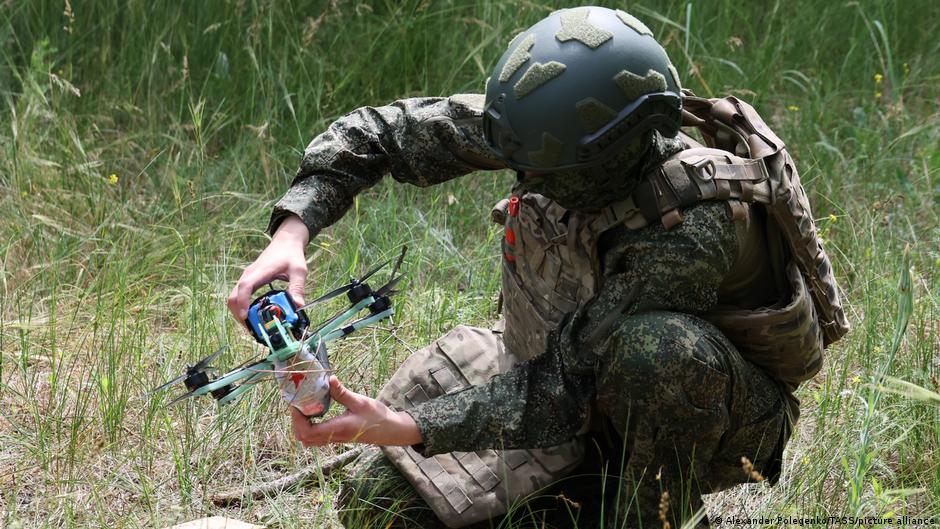
EU proposes entry ban for Russian Ukraine combatants in new sanctions package
European Commission President Ursula von der Leyen laid out plans for the EU's next package of sanctions against Russia in response to its invasion of Ukraine in Brussels on Tuesday. The proposals, …
European Commission President Ursula von der Leyen laid out plans for the EU's next package of sanctions against Russia in response to its invasion of
Read Full Story at DW World →Why This Matters
This proposed ban marks a significant escalation in the EU’s legal and moral campaign against foreign fighters aiding Moscow’s war effort, signaling a shift toward targeting not just Russian nationals but also mercenaries and volunteers. The move underscores growing frustration in Brussels over the prolonged conflict and the perceived need to close loopholes in existing sanctions regimes.
Background Context
The EU has previously focused on sanctioning Russian officials, oligarchs, and critical sectors like energy and defense, but has struggled to curb the flow of foreign combatants—many from Central Asia—who join Russian forces in Ukraine. Reports suggest hundreds of these fighters have been recruited through covert networks, complicating enforcement efforts despite prior travel restrictions.
What Happens Next
If adopted, the ban would require unanimous approval from all 27 EU member states, where debates over its scope and enforcement mechanisms could delay implementation. Observers will watch whether the proposal leads to a broader crackdown on recruitment networks or if Moscow retaliates by expanding its own sanctions against EU citizens involved in military support for Ukraine.
Bigger Picture
This sanction represents another step in the EU’s evolving strategy to isolate Russia economically and militarily, reflecting a broader trend of tightening global restrictions on mercenary activities and foreign fighter movements. It also highlights the bloc’s willingness to target individuals beyond traditional power structures, signaling a more aggressive phase in its response to the war.





