EU unblocks €16 billion in Hungary assistance as Magyar promises reforms
EU approved €16.4 billion in frozen funds for Hungary after PM Péter Magyar pledged economic and governance reforms, including €10B from Next Generation EU and €4.2B in cohesion funds. Funds aim to b…
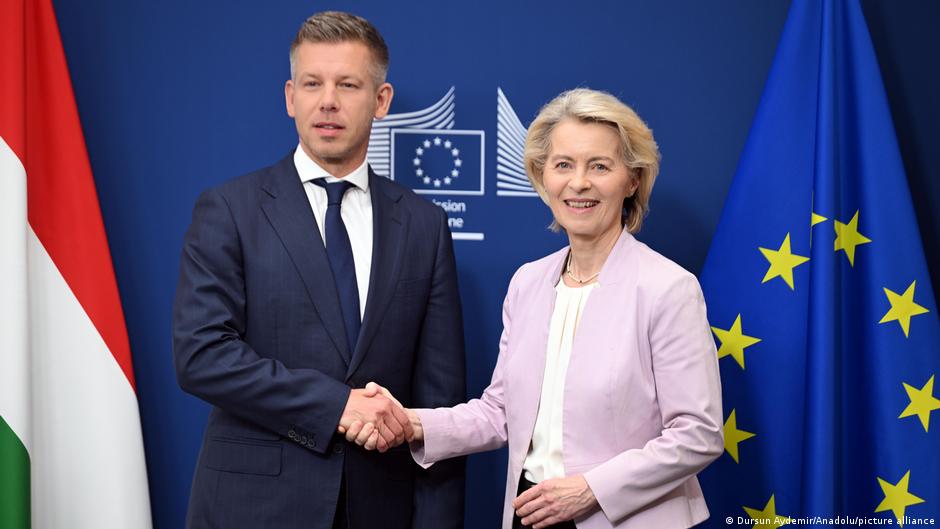
The European Commission has announced the release of €16.4 billion in frozen EU funds for Hungary, following commitments from the country’s new govern
Read Full Story at DW World →Why This Matters
The EU’s decision to release €16.4 billion in frozen funds to Hungary marks a critical test of Brussels’ leverage over rule-of-law standards in Central Europe. It signals a potential shift in the bloc’s willingness to prioritize financial stability over democratic backsliding, setting a precedent for how future disputes over cohesion funds and recovery mechanisms may be resolved.
Background Context
Hungary’s access to EU funds has been repeatedly suspended since 2022 under the bloc’s rule-of-law conditionality mechanism, citing concerns over corruption, judicial independence, and media freedom. The breakthrough follows Péter Magyar’s rise as a reform-minded challenger to Viktor Orbán, raising questions about whether Budapest will deliver on long-delayed commitments or revert to familiar patterns of resistance.
What Happens Next
Expect heightened scrutiny over Hungary’s implementation of reforms, particularly in areas like anti-corruption oversight and judicial transparency. The release of funds could stabilize Hungary’s economy in the short term but may reignite tensions if compliance falters. Meanwhile, Orbán’s government will face pressure to balance EU demands with its domestic base of nationalist supporters.
Bigger Picture
This case reflects a broader struggle within the EU over balancing fiscal solidarity with democratic values, especially as populist governments in member states challenge Brussels’ authority. The outcome may influence how the bloc handles similar disputes with Poland or other governments facing scrutiny over governance standards.








