🌍 World News
Live
European Parliament approves US trade deal to lower tariffs
The European Parliament has approved a deal struck last year under which the EU agreed to remove import duties and ease access for several kinds of US goods. Approving the deal, which foresees tarif…
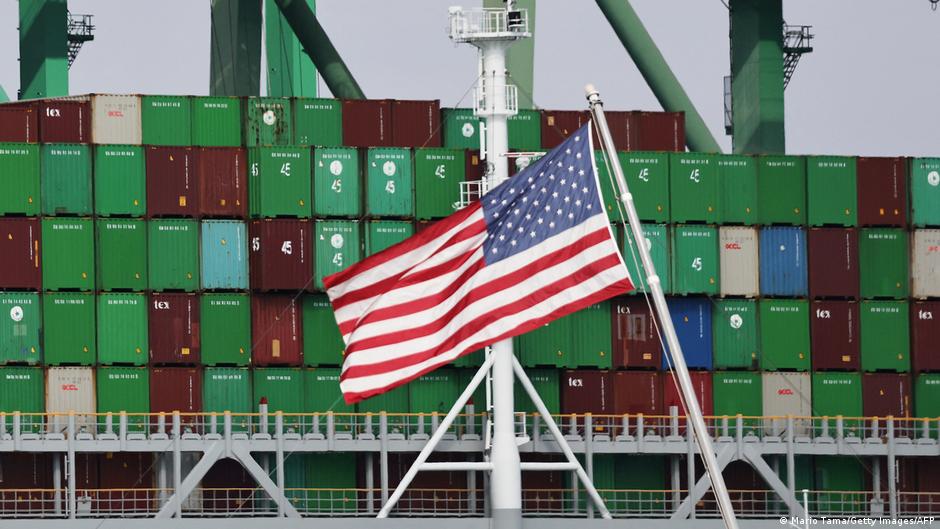
DW World — 16 June 2026
Text:
29
0
0
The European Parliament has approved a deal struck last year under which the EU agreed to remove import duties and ease access for several kinds of US
Read Full Story at DW World →
⚡ Quickyla Analysis
Original editorial context — not sourced from the article above
The European Parliament’s approval of the new US trade deal marks a significant step in transatlantic economic diplomacy, signaling a potential thaw in relations that have been strained by tariffs, regulatory disputes, and geopolitical tensions. While the agreement focuses on lowering tariffs and easing access for select US goods, its broader significance lies in its potential to reset trade dynamics between the EU and the US after years of friction. The deal comes at a time when both blocs are seeking to diversify supply chains and reduce dependence on China, making this a strategic move rather than just an economic one. For industries like agriculture, chemicals, and machinery, the removal of duties could open new markets, but the real impact may extend beyond trade figures into broader geopolitical confidence-building.
This agreement is not happening in a vacuum. The EU and US have spent much of the past decade locked in disputes over steel and aluminum tariffs, subsidies for electric vehicles, and digital taxation—issues that threatened to escalate into a full-blown trade war. The pandemic and Russia’s invasion of Ukraine further complicated economic relations, forcing both sides to reconsider how much they could afford to let trade frictions distract from shared challenges. The fact that this deal was struck under the Biden administration, despite lingering tensions over subsidies and industrial policy, suggests a pragmatic shift in approach. Europe’s willingness to engage, even as it pursues its own strategic autonomy agenda, reflects a recognition that cooperation—however imperfect—remains preferable to confrontation.
What happens next will depend on implementation. Will other sectors push for similar concessions? Could this pave the way for broader agreements on digital trade or climate-related tariffs? There are also questions about reciprocity—how will the EU ensure that US concessions on goods aren’t undermined by new regulatory barriers? The deal’s limited scope means its immediate economic impact may be modest, but its political symbolism could be more lasting. If successful, it may encourage further dialogue on deeper trade integration, though structural differences in regulatory approaches will remain hurdles. In a world where economic blocs are increasingly seen as tools of strategic competition, this agreement is a reminder that cooperation, even at the margins, still holds value.
Sources

🌍 World News
Man fleeing police attacked by alligator before continuing his getaway, Louisiana authorities say
🌍 World News
US crude exports hit record high in May as Iran war tightens global oil supplies

🌍 World News
Agitators outside Delaney Hall set up organized logistics operation before Newark protests began

🌍 World News
French doctors sound alarm over drinking water pollution

🌍 World News
Iran, Kuwait, Bahrain hit: Is the war in the Gulf escalating again?

🌍 World News
Four people trapped in flooded cave in Laos pulled to safety

