Ex-Nigeria oil minister cleared in UK bribery trial
A former Nigerian oil minister has been cleared of taking bribes from wealthy oil executives in the form of luxury home stays and lavish spending sprees in the UK. Diezani Alison-Madueke, 65, was fo…
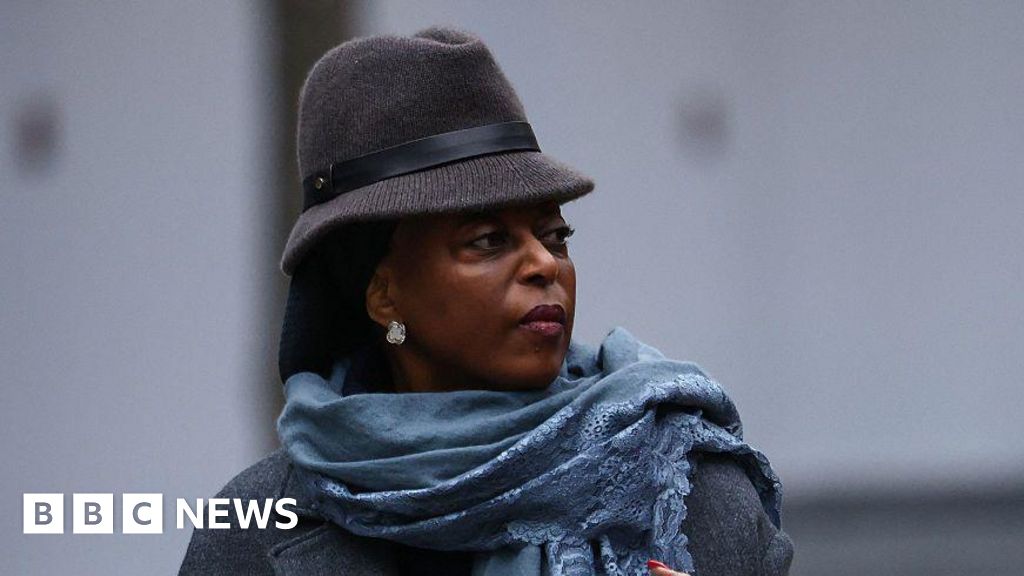
BBC World News — 17 June 2026
Text:
24
0
0
A former Nigerian oil minister has been cleared of taking bribes from wealthy oil executives in the form of luxury home stays and lavish spending spre
Read Full Story at BBC World News →
⚡ Quickyla Analysis
Original editorial context — not sourced from the article above
The acquittal of Diezani Alison-Madueke, Nigeria’s first female oil minister, in a UK bribery trial is more than just a legal outcome—it underscores the persistent challenges of prosecuting grand corruption, particularly when alleged offenses span multiple jurisdictions. Alison-Madueke, who served from 2010 to 2015 under former President Goodluck Jonathan, was accused of accepting bribes from oil executives in the form of luxury accommodations, private jets, and extravagant spending in London and other British cities. While the verdict may close this particular case, it leaves lingering questions about the integrity of Nigeria’s oil sector and the broader fight against corruption in a country where billions in oil revenue have long been siphoned off by elites.
The case also highlights the limitations of extraterritorial prosecutions in corruption cases. The UK’s Serious Fraud Office pursued the charges under its anti-bribery laws, but the acquittal—amid what prosecutors described as a fractured and unreliable witness testimony—raises doubts about the evidentiary standards required in complex financial crime cases. This is not an isolated issue. Similar high-profile prosecutions, such as those against African officials in European courts, have often stumbled on procedural hurdles, witness intimidation, or the sheer opacity of financial flows through offshore networks.
Looking ahead, the case may embolden critics who argue that Nigeria’s anti-corruption efforts remain toothless without systemic reforms. Alison-Madueke, who was also president of OPEC, remains a polarizing figure in Nigeria, where she has been linked to broader scandals, including the alleged looting of billions from the state oil company, NNPC. Her acquittal does little to dispel perceptions of impunity among Nigeria’s political class. Meanwhile, the UK’s role in pursuing such cases could face renewed scrutiny, particularly if critics argue that prosecutions are more symbolic than transformative.
For global observers, the outcome underscores a troubling reality: even when corruption is alleged to have been committed abroad, the legal machinery often struggles to deliver accountability. As financial crime becomes increasingly transnational, the case serves as a reminder that justice in such matters requires not just robust laws, but sustained political will—and perhaps a rethink of how evidence is gathered and prosecuted across borders.
Sources

🌍 World News
Man fleeing police attacked by alligator before continuing his getaway, Louisiana authorities say
🌍 World News
US crude exports hit record high in May as Iran war tightens global oil supplies

🌍 World News
Agitators outside Delaney Hall set up organized logistics operation before Newark protests began

🌍 World News
French doctors sound alarm over drinking water pollution

🌍 World News
Iran, Kuwait, Bahrain hit: Is the war in the Gulf escalating again?

🌍 World News
Four people trapped in flooded cave in Laos pulled to safety

