🌱 Environment
Live
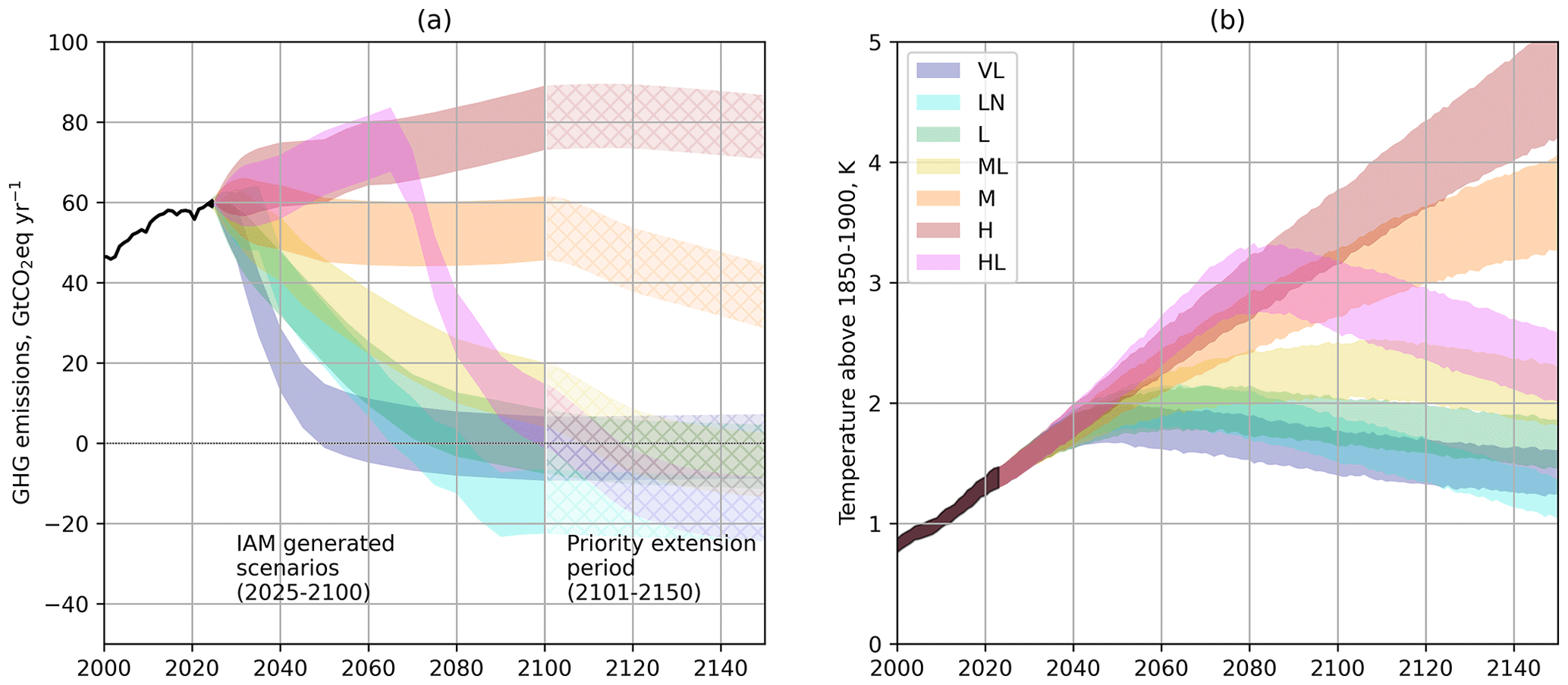
Experts: Why carbon removal needs a ‘major scale up’ to return warming to 1.5C
Last week, more than 260 researchers convened in Milan to discuss the opportunities, challenges and... The post Experts: Why carbon removal needs a ‘major scale up’ to return warming to 1.5C appeared
Carbon Brief — 19 June 2026
Text:
25
0
0
Last week, more than 260 researchers convened in Milan to discuss the opportunities, challenges and... The post Experts: Why carbon removal needs a ‘
Read Full Story at Carbon Brief →
⚡ Quickyla Analysis
Original editorial context — not sourced from the article above
The urgency of scaling up carbon removal technologies has never been clearer, as highlighted by last week’s gathering of over 260 researchers in Milan. The consensus emerging from the discussions underscores a stark reality: even with aggressive emissions reductions, the world is unlikely to limit global warming to 1.5°C without large-scale carbon removal. This isn’t just a technical footnote—it’s a fundamental reorientation of climate strategy. The Intergovernmental Panel on Climate Change (IPCC) has long emphasized that scenarios limiting warming to 1.5°C rely on “negative emissions” to offset residual emissions from hard-to-decarbonize sectors like aviation, shipping, and heavy industry. Yet the gap between current capabilities and what’s needed is widening, raising critical questions about feasibility, equity, and unintended consequences.
What makes this moment distinct is the shift from theoretical necessity to practical urgency. For years, carbon removal was treated as a distant backstop, but recent assessments suggest the window for relying solely on emissions cuts is closing faster than anticipated. Natural solutions like reforestation and soil carbon sequestration remain vital but are constrained by land availability and ecological limits. Meanwhile, technological approaches—such as direct air capture (DAC) and bioenergy with carbon capture and storage (BECCS)—are still prohibitively expensive and energy-intensive. The Milan gathering signals a pivot toward accelerating these solutions, but the scale required is daunting: some models suggest we may need to remove gigatons of CO₂ annually by mid-century, a leap that demands unprecedented investment and innovation.
The debate now centers on how to mobilize this scale-up without repeating past mistakes. Will carbon removal become another tool dominated by wealthy nations, or can it be deployed equitably in the Global South, where some of the most promising geological and biological reservoirs exist? Equally pressing is the risk of over-reliance on unproven technologies, which could delay necessary emissions cuts. As the world grapples with this paradox, the next phase of climate policy will likely hinge on balancing immediate action with long-term ambition—a challenge that demands both scientific breakthroughs and political will.
Sources

🌱 Environment
Erin Brockovich criticizes Microsoft data center secrecy in Utah

🌱 Environment
Rescues in eastern Syria after the Euphrates River bursts its banks

🌱 Environment
Indonesians mark 20 years since mud volcano eruption swallowed up entire communities in East Java

🌱 Environment
Biden’s Clean Drinking Water Plan Is Being Rebranded as MAHA
🌱 Environment
Trump’s EPA Unlawfully Cancelled Environmental Justice Grants, Judge Rules

🌱 Environment
Heat is Killing Wildlife Across the Animal Kingdom. A New Forecasting Tool May Help

