Experts: Why migration is ‘not a failure of adaptation’ in a warming world
Hundreds of scientists gathered in London this week to discuss the role of migration as... The post Experts: Why migration is ‘not a failure of adaptation’ in a warming world appeared first on Carbon…
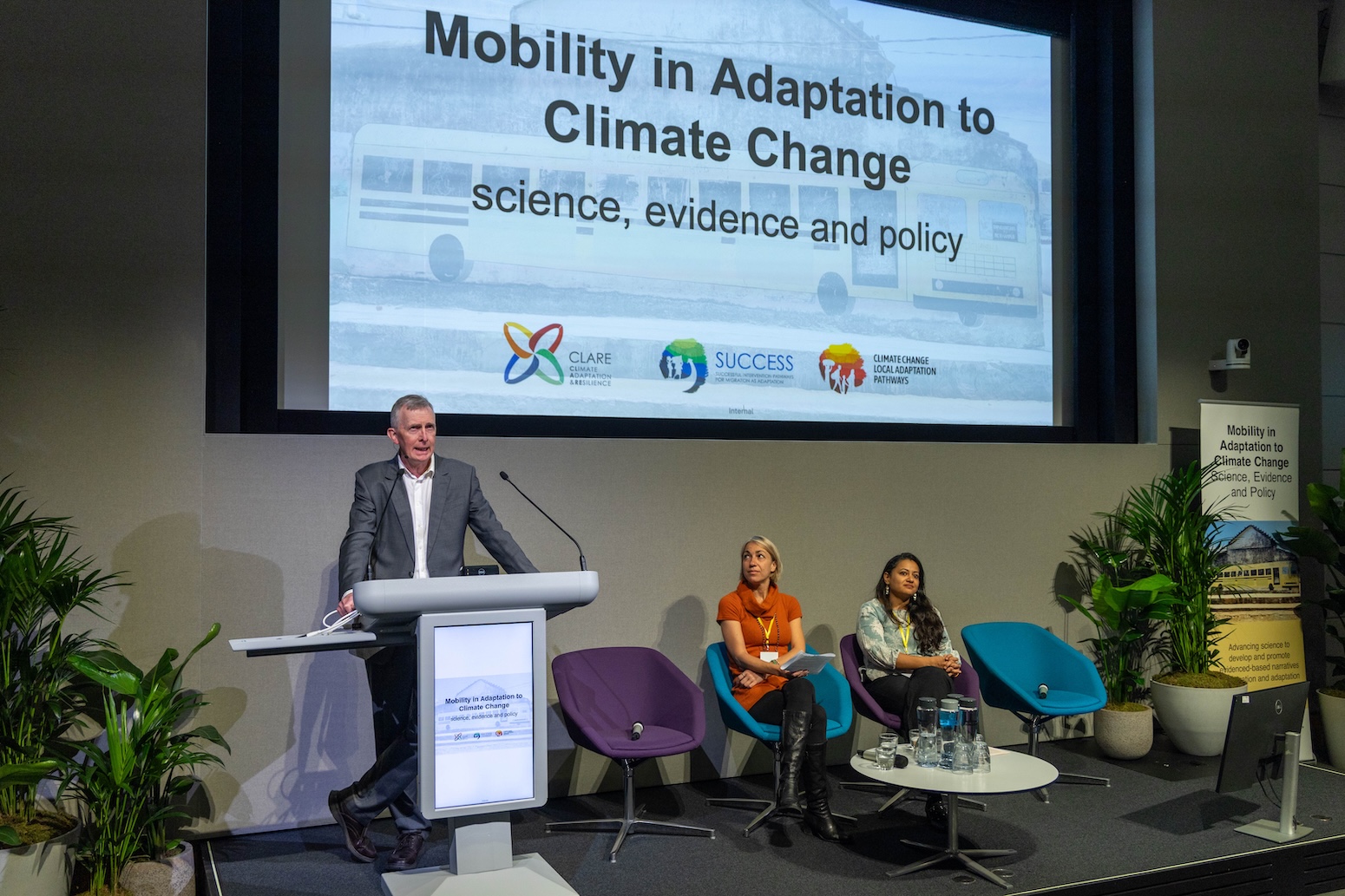
Hundreds of scientists gathered in London this week to discuss the role of migration as... The post Experts: Why migration is ‘not a failure of adapt
Read Full Story at Carbon Brief →Why This Matters
The global discourse on climate change often frames migration as a desperate last resort—a symptom of failed ecosystems and broken communities. Yet this week’s gathering of climate scientists in London challenges that narrative, reframing human movement as a rational, adaptive strategy in an era of irreversible environmental shifts. The shift in framing could reshape policy debates, influence climate finance allocations, and redefine international cooperation on displacement before the issue spirals into unchecked humanitarian crises.
Background Context
Historically, migration has been treated as a failure of local resilience, particularly in developing nations where climate impacts are most acute. However, decades of research on droughts, sea-level rise, and extreme weather reveal that mobility has long been a survival mechanism for vulnerable populations, from Sahelian pastoralists to Pacific island communities. The political reluctance to acknowledge this stems from outdated assumptions that treating migration as adaptation would absolve wealthy nations from responsibility for their carbon footprints.
What Happens Next
Expect pressure to mount on institutions like the UNFCCC to integrate migration into climate adaptation financing, not just disaster relief. Countries like Bangladesh and Tuvalu may push for formal recognition of "climate migrants" in international law, testing the limits of sovereignty and responsibility. Meanwhile, the absence of binding frameworks risks leaving millions in legal limbo, vulnerable to exploitation or statelessness as climate pressures intensify in the coming decades.
Bigger Picture
This debate sits at the intersection of two global megatrends: the accelerating destabilization of Earth’s systems and the growing demand for equitable climate justice. As migration increasingly becomes a non-negotiable reality for tens of millions, the question shifts from whether adaptation through movement is valid to who bears the costs—and how societies will reconcile competing claims to land, resources, and security in a warming world.