Fast-track border checks, return centers, 'mandatory solidarity': What the EU’s new asylum rules could change — and what they may not.
After years of preparation, one of the most significant reforms to asylum law in Germany and the entire European Union took effect on Friday. The new "Common European Asylum System" (CEAS) will requ…
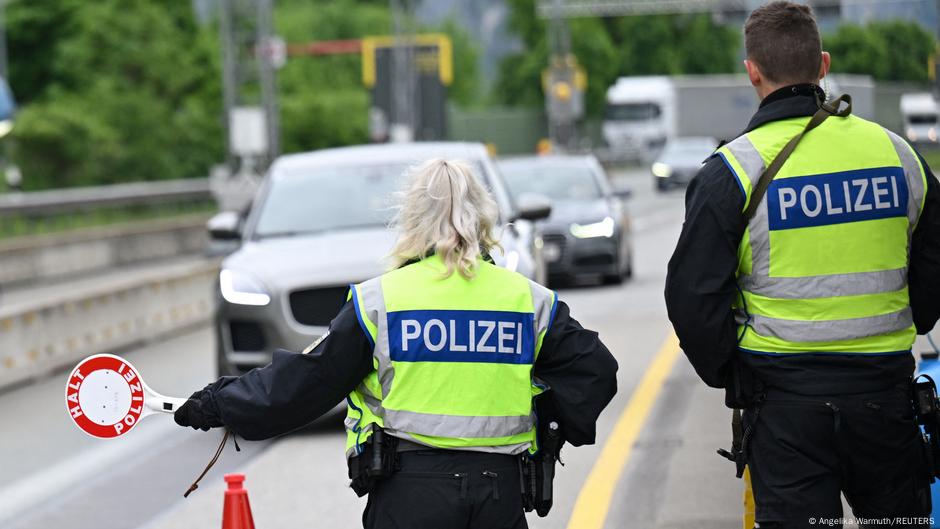
After years of preparation, one of the most significant reforms to asylum law in Germany and the entire European Union took effect on Friday. The new
Read Full Story at DW World →Why This Matters
The EU’s asylum reforms mark a seismic shift in how Europe balances humanitarian obligations with border security—a debate that has fractured member states for decades. These rules don’t just tweak procedures; they redefine the bloc’s collective identity, testing whether solidarity can coexist with national sovereignty in a region where migration has become a proxy for deeper political divides.
Background Context
The Common European Asylum System (CEAS) was first floated in the 1990s, but its current iteration took shape in response to the 2015 refugee crisis, when over a million people arrived irregularly. Germany, as the EU’s de facto leader on migration policy, has been a reluctant architect of these rules, torn between its moral commitments and the electoral backlash that follows every new wave of arrivals.
What Happens Next
The reforms’ success hinges on two unproven assumptions: that faster border checks won’t collapse under bureaucratic strain, and that ‘mandatory solidarity’—a euphemism for burden-sharing—won’t trigger the same resistance that doomed past relocation schemes. Watch for legal challenges in courts, where asylum advocates and Eurosceptic governments will duel over the fine print of these obligations.
Bigger Picture
These rules are less about asylum and more about Europe’s existential project: Can a union built on free movement survive when movement itself has become a flashpoint? The answer may hinge on whether the bloc can pivot from crisis management to long-term policy—or if it remains trapped in the same cyclical debates that have left Greece, Italy, and others to shoulder the burden alone.





