📈 Markets & Finance
Live
Fed Signals Possible Rate Hikes as Kevin Warsh Opens ‘New Chapter’ at Central Bank
Bitcoin Magazine Fed Signals Possible Rate Hikes as Kevin Warsh Opens ‘New Chapter’ at Central Bank The Federal Reserve kept rates unchanged but signaled potential rate hikes under new Chair Kevin Wa…
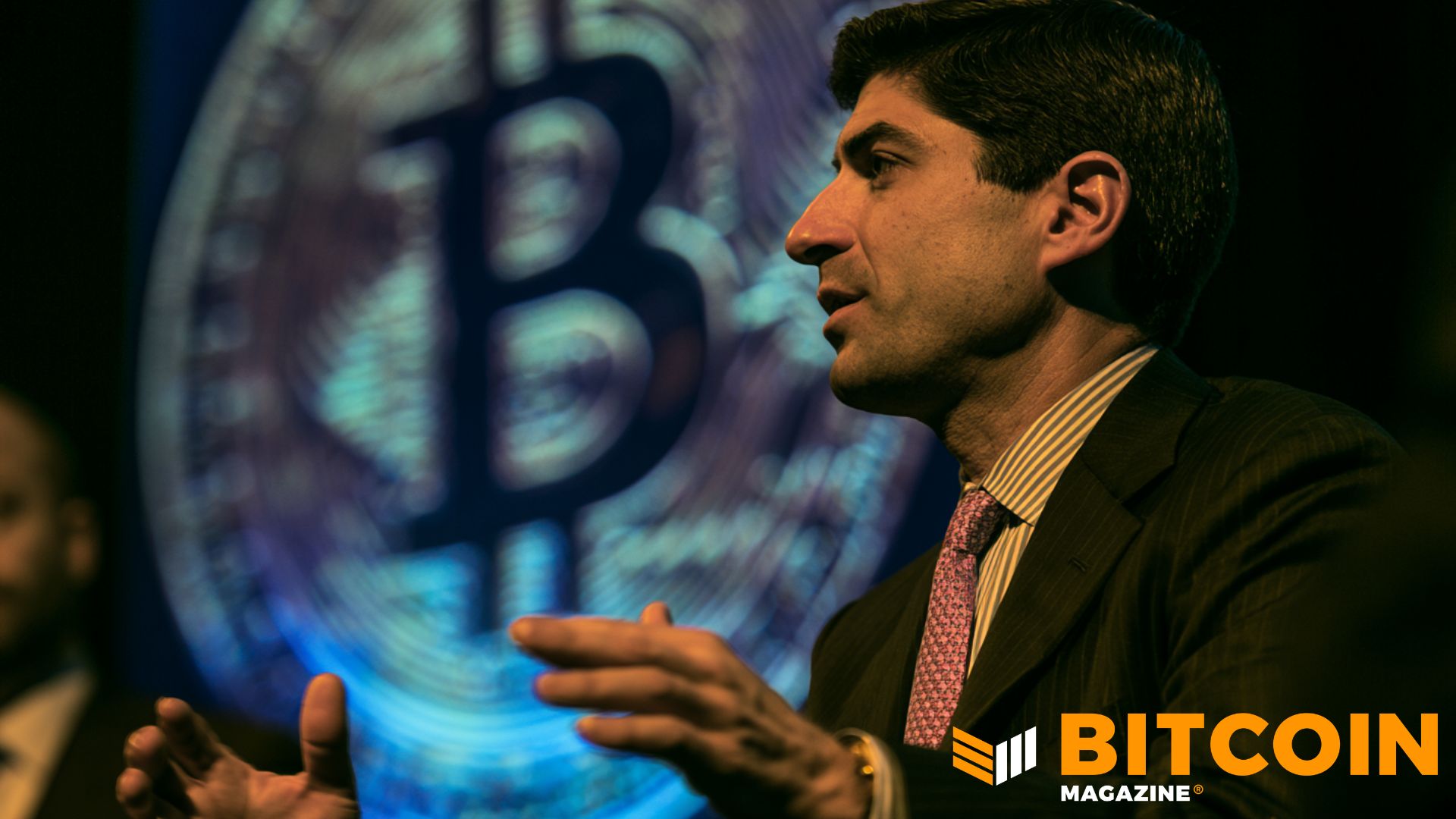
Bitcoin Magazine — 17 June 2026
Text:
28
0
0
Fed Signals Possible Rate Hikes as Kevin Warsh Opens ‘New Chapter’ at Central Bank The Federal Reserve kept rates unchanged but signaled potential ra
Read Full Story at Bitcoin Magazine →
⚡ Quickyla Analysis
Original editorial context — not sourced from the article above
The Federal Reserve’s latest policy signals carry weight beyond the immediate decision to hold rates steady. After months of market speculation about the trajectory of monetary tightening, the central bank’s message—delivered under the stewardship of new Chair Kevin Warsh—suggests a more hawkish posture may be in the offing. This shift, however subtle, underscores a broader reckoning with inflation pressures that have proven stickier than anticipated. For investors and policymakers alike, the Fed’s stance now hinges on whether this signals a temporary pause or the beginning of a prolonged tightening cycle.
Warsh’s arrival introduces a fresh dynamic at the Fed, where his reputation for skepticism toward loose monetary policy could tilt the balance among policymakers. While the Fed’s post-meeting statement maintained flexibility, the inclusion of language hinting at future hikes reflects a delicate balancing act: acknowledging progress on inflation without signaling complacency. This comes after years of extraordinary accommodation, during which the Fed’s balance sheet ballooned and rates hovered near zero. The transition back to a more conventional stance carries risks, particularly for sectors sensitive to borrowing costs, such as housing and commercial real estate.
What remains uncertain is whether inflation will cooperate with the Fed’s plans. Recent data has shown glimmers of moderation, but core services inflation—a stubborn component—has remained elevated, challenging the narrative that price pressures are sustainably easing. If Warsh and his colleagues move too aggressively, they risk choking off growth; too slowly, and they risk entrenching inflationary expectations. Markets, already jittery, will be watching closely for signals of a data-dependent approach that avoids abrupt shifts.
Beyond the immediate policy implications, this moment reflects a broader trend in global central banking: the unwinding of emergency-era measures while grappling with geopolitical disruptions and structural economic changes. The Fed’s next moves will not only shape U.S. economic conditions but also influence global capital flows and the dollar’s role as the world’s reserve currency. As Warsh’s leadership takes shape, the Fed’s credibility—and the economy’s resilience—will be tested in uncharted terrain.
Sources
📈 Markets & Finance
Sam Altman says OpenAI's top token spender uses 100 billion tokens a month — and they're not even the world leader

📈 Markets & Finance
Intel, AMD, Micron shares sink as Broadcom results spark semiconductor sector sell-off

📈 Markets & Finance
This Smart‑Money Legend Won Big on Intel. The Rest of His Portfolio Might Be Even More Revealing
📈 Markets & Finance
A new NJ bill would hand pet owners up to $900 in tax credits — and your state could be next

📈 Markets & Finance
MGM Resorts stock jumps as Barry Diller's People Inc. makes bid to take over the company
📈 Markets & Finance
Addressing Investor Transparency, Updates from Euronet Worldwide’s (EEFT) First Analyst Day in a Decade


