NHTSA blocks Polestar from selling cars in U.S. starting 2027
Polestar won’t sell cars in the U.S. starting 2027 after the NHTSA rejected its safety compliance plan. The denial blocks Polestar’s U.S. growth, forcing it to focus on other markets or redesign vehic
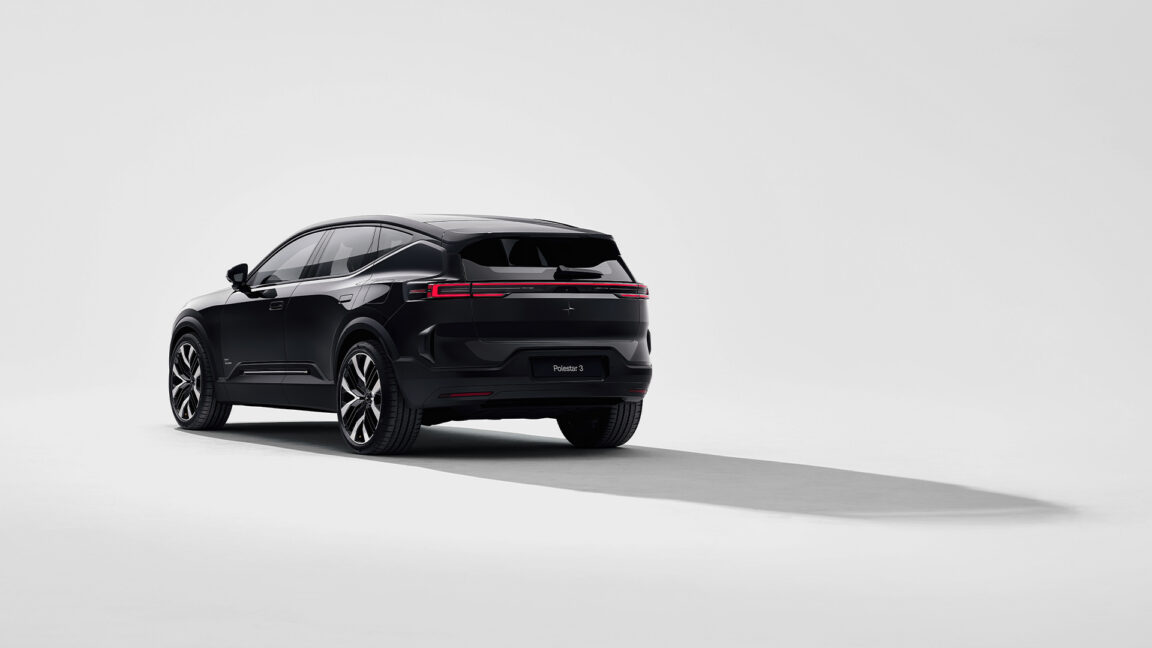
The U.S. federal government has blocked Polestar from selling its electric cars in America starting with model year 2027, according to a report from *
Read Full Story at Ars Technica →Why This Matters
The NHTSA's decision to block Polestar from selling vehicles in the U.S. starting in 2027 isn't just a setback for the Swedish EV brand—it underscores a growing tension between global automakers and domestic regulators over safety standards. This move could signal stricter scrutiny for foreign manufacturers seeking to enter the lucrative American market, raising questions about whether other EV brands will face similar hurdles in the future.
Background Context
Polestar, Volvo’s electric performance spinoff, has relied on its partnership with Volvo to navigate U.S. regulations, but its independent push into the market has run into roadblocks. The NHTSA’s rejection of its compliance plan suggests deeper issues with structural design or safety protocols—problems that could force costly redesigns if Polestar wants to return. Meanwhile, other foreign EV brands like BYD have already faced similar regulatory headwinds, hinting at a broader pattern.
What Happens Next
Polestar must now either pivot to other markets like Europe or China, where regulatory barriers are lower, or invest heavily in redesigning its vehicles to meet NHTSA’s standards. The company’s decision will hinge on its long-term U.S. strategy, but the delay could erode its competitive edge in a market dominated by Tesla and legacy automakers. Investors will closely watch whether Polestar’s parent company, Geely, pushes for a more aggressive regulatory lobbying effort.
Bigger Picture
This decision reflects a broader trend of protectionist policies creeping into auto regulations, where safety standards are increasingly weaponized to favor domestic manufacturers. It also highlights the fragility of the EV market’s global supply chains, where compliance with localized rules can derail even well-funded expansion plans. As more foreign brands eye the U.S. market, the fallout from Polestar’s denial may set a precedent for future approval battles.