Feds Will Soon Impose New Framework on Colorado River if States Can’t Agree How to Manage It
BOULDER, Colo.—The federal government will impose a 10-year operating framework for managing water use in the Colorado River Basin by the end of this summer if the seven states that rely on the river…
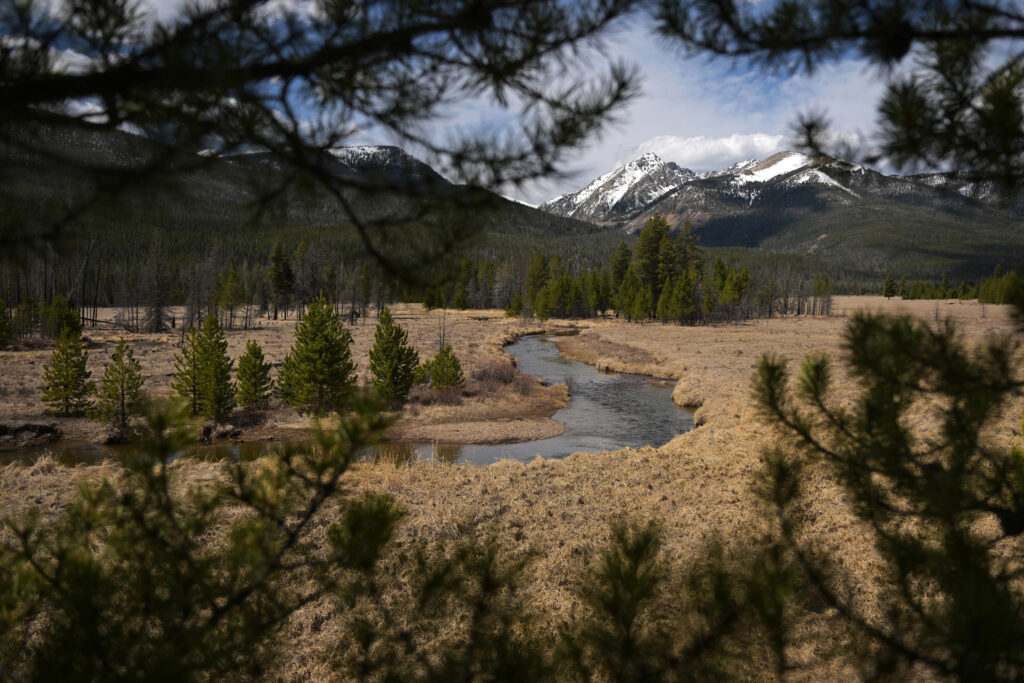
BOULDER, Colo.—The federal government will impose a 10-year operating framework for managing water use in the Colorado River Basin by the end of this
Read Full Story at Inside Climate News →Why This Matters
The federal intervention in the Colorado River Basin underscores the growing urgency of water governance in the face of climate change. With the river’s supply dwindling and demand surging, the outcome of this policy will set a precedent for how the U.S. manages shared natural resources under pressure. Failure to reach consensus among states could accelerate ecological collapse in the Southwest, threatening agriculture, urban centers, and ecosystems alike.
Background Context
The Colorado River, which supplies water to 40 million people and irrigates millions of acres, has been over-allocated for decades under the 1922 Compact. The federal government has historically deferred to state-level negotiations, but prolonged drought and the near-depletion of Lake Mead and Lake Powell have forced a reckoning. Earlier this year, the Bureau of Reclamation issued stark warnings that without drastic cuts, water deliveries could face mandatory reductions by 2026.
What Happens Next
The coming months will reveal whether states can bridge divides between upstream and downstream users, agricultural and municipal interests, and energy production and conservation needs. If the feds impose a framework, legal challenges from states or tribes could drag out for years, delaying critical conservation measures. Meanwhile, communities dependent on the river—from Phoenix to Los Angeles—will face mounting pressure to adapt, whether through efficiency mandates or costly infrastructure projects.
Bigger Picture
This crisis reflects a national shift toward centralized intervention in regional resource disputes, as climate volatility outpaces voluntary cooperation. It also highlights the Colorado River’s role as a microcosm of global water governance challenges, where aging compacts become obsolete as conditions change. The outcome in the Southwest may influence future federal responses to similar crises in the Great Lakes, Mississippi River Basin, or beyond.